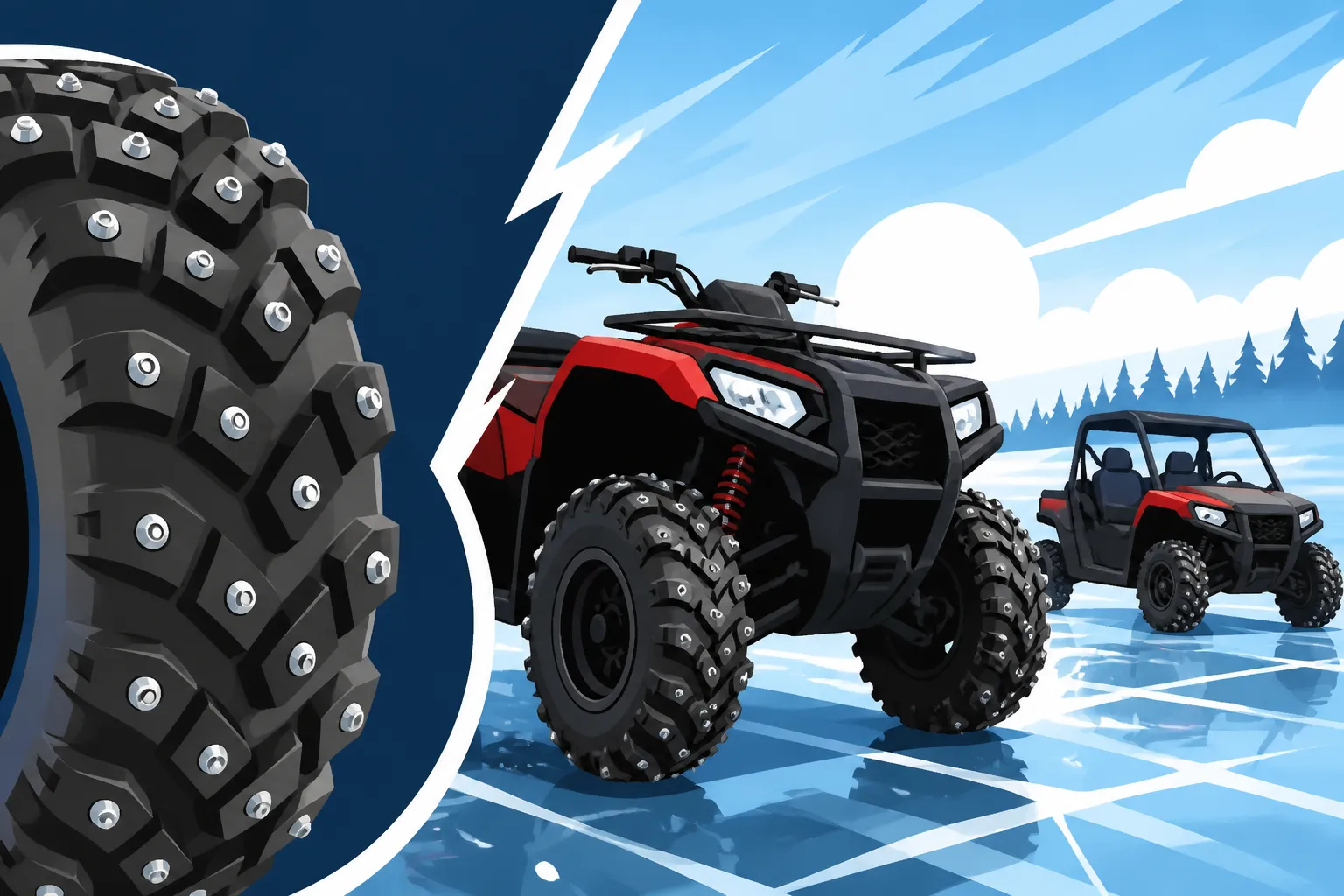
Studded Tires for Lake Ice
The stark reality of winter in Minnesota means that if you want to keep enjoying your ATV or UTV, you're going to face some seriously slick conditions, especially when venturing out onto frozen lakes for ice fishing or just a scenic ride. Trying to navigate glare ice or even packed snow with regular tires can feel like trying to walk on marbles, creating a dangerous and frustrating experience. This guide is here to walk you through everything you need to know about studded tires for your off-highway vehicle, helping you gain the crucial traction and confidence you need to safely conquer Minnesota's frozen landscapes.
Why Studded Tires are a Game-Changer on Minnesota Ice
For anyone who's ever tried to pull a fish house, access a remote hunting shack, or simply explore a winter wonderland on their ATV or UTV in Minnesota, the struggle of a slippery surface is all too real. Regular tires, designed for dirt, mud, or even packed snow, simply don't offer the grip needed when you hit a patch of hard, slick ice. That's where studded tires come in, transforming your machine's capability and your confidence.
The Slippery Reality of Winter Riding Without Them
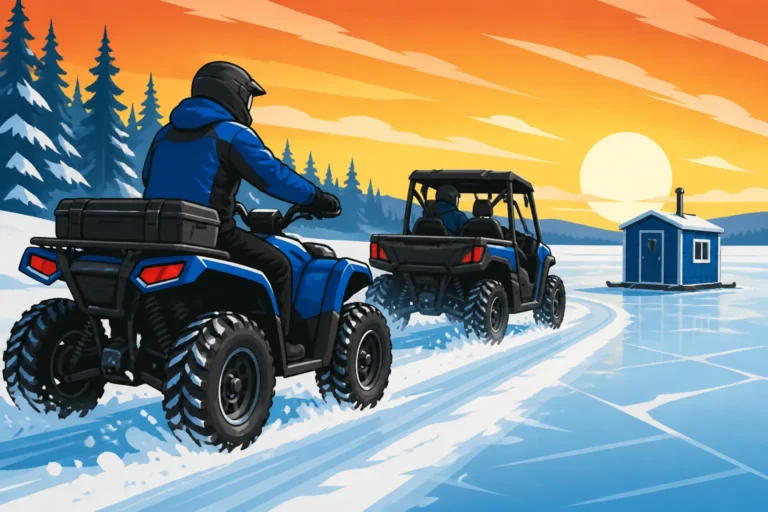
Imagine this: you've loaded up your gear, fired up your machine, and you're ready to head out onto a sprawling Minnesota lake, perhaps to your favorite ice fishing spot. You hit the access point, and the plowed trail quickly turns into a sheet of polished ice from vehicle traffic and changing temperatures. Suddenly, your tires are spinning, your steering is nonexistent, and your machine is sliding sideways with a mind of its own. It's not just annoying; it's genuinely terrifying and can lead to serious accidents, not to mention the frustration of getting stuck just yards from your destination.
This lack of control isn't just about moving forward. It affects every aspect of your ride: turning, braking, and even just maintaining a straight line. Without adequate traction, the risk of losing control, tipping over, or colliding with something (or someone) drastically increases. Many riders learn this the hard way, choosing to stay home on the slickest days rather than risk an incident. But it doesn't have to be that way; the right tires can completely change this dynamic.
How Studs Provide Superior Traction and Control
Studs work by literally biting into the ice, providing a mechanical grip that rubber alone simply can't achieve. Think of them like tiny ice picks embedded in your tire tread. When your tire rolls over ice, these studs dig in, creating friction and preventing the tire from slipping. This is particularly effective on smooth, hard ice where traditional tread patterns would merely float or slide across the surface.
There are different types of studs, from simple screw-in carbide studs that many DIYers use, to more sophisticated push-through studs found in purpose-built studded tires. The material and design of the stud, along with its placement within the tire's tread, all contribute to how effectively it will grip. Companies like SuperATV offer tires and accessories that can enhance winter performance, including options that are compatible with studding for maximum ice traction.
The impact of this enhanced traction is immediate and dramatic. Instead of spinning and sliding, your machine moves with purpose, allowing you to accelerate, climb small snowdrifts, and navigate the subtle contours of a frozen lake with far greater control. It's the difference between tentatively creeping along and confidently cruising.
Beyond Just Going Forward: Braking and Cornering Confidence
While getting going is important, stopping and turning safely are arguably even more critical on ice. Regular tires on ice offer minimal braking power, often leading to long, uncontrolled slides that can be incredibly dangerous. Studded tires dramatically shorten your stopping distance by allowing the studs to dig in and slow the rotation of the tire against the slick surface. This means you can react more effectively to unexpected obstacles or changes in terrain.
Similarly, cornering on ice with unstudded tires is a harrowing experience, often involving slow, wide turns and the constant fear of the front end washing out. Studs provide the lateral grip needed to maintain your line through turns, giving you the confidence to navigate winding ice roads or make precise movements around fish houses and other lake users. The improved control over braking and steering fundamentally alters the safety profile of winter riding, making your machine a much more predictable and reliable tool for enjoying Minnesota's coldest months. Knowing your machine will respond when you need it to is invaluable.
Types of Studs and Studded Tires for Your Minnesota Machine
When you decide to equip your ATV or UTV for serious ice duty, you'll quickly discover there are a few paths you can take. Understanding the different options for studs and how they interact with your tires is key to making the best choice for your specific needs and budget. It’s not a one-size-fits-all solution, and what works best for a dedicated ice fishing rig might be overkill for occasional winter trail riding.
Pre-Studded vs. DIY Studding: Pros and Cons
The first major decision you'll face is whether to buy tires that come from the factory already studded, or to add studs to your existing or new unstudded tires yourself. Both options have their merits and drawbacks.
Pre-studded tires, sometimes called "ice tires" or "winter tires," are designed from the ground up to incorporate studs. The stud holes are typically molded into the tire, and the studs are often specialized, high-quality, and strategically placed for optimal performance and durability. The main pro here is convenience and often superior performance right out of the box, as the engineering is done for you. They are generally more robust, with studs less likely to pull out, and the tire compound itself might be formulated for cold weather. The downside? They tend to be more expensive than unstudded tires, and you're committed to that specific stud pattern and type.
DIY studding, on the other hand, involves purchasing a kit of screw-in studs and installing them into your existing ATV or UTV tires. This route is typically more budget-friendly and offers immense flexibility. You can choose the number, type, and pattern of studs that best suit your needs. You might even opt to only stud the outside lugs for cornering grip or focus on the center for straight-line traction. Many riders appreciate the hands-on aspect and the ability to customize. However, the quality and durability can vary depending on the studs you buy and the tires you choose. Cheaper studs might wear quickly or pull out, and if your tires don't have deep enough lugs, the studs won't be as effective or long-lasting. You’ll also want to be sure you're using tires with sufficiently thick carcasses to prevent studs from puncturing the tire.
Different Stud Designs and Their Best Use Cases
Beyond just how they're installed, studs come in various designs, each with its own characteristics and best applications. Understanding these differences can help you tailor your setup for maximum effectiveness on Minnesota ice.
Screw-in studs: These are the most common for DIY applications. They come in various lengths and tip materials, often with carbide tips for durability. They are relatively easy to install with a specialized tool (often included in the kit or sold separately). Screw-in studs are excellent for occasional use or for riders who want to add grip to their existing tires. Their main limitation can be durability in certain conditions, especially if ridden on pavement, and they can sometimes back out if not installed correctly or if the tire lugs are too soft. Products from companies like SuperATV can offer durable screw-in options that enhance your machine's winter capabilities.
Push-through studs: Found mainly in purpose-built studded tires, these studs often feature a wider base that sits flush against the inner carcass of the tire, preventing them from pulling out. Their outer carbide or steel tips protrude through the tread. These are generally more robust and provide consistent performance, ideal for dedicated ice machines or serious winter riders. They are not typically a DIY option but come pre-installed in specialized winter tires.
Carbide vs. Steel: Carbide tips are much harder and more abrasion-resistant than plain steel. This means carbide studs will retain their biting edge longer, especially when encountering mixed terrain like ice, packed snow, and occasional exposed pavement. Steel studs are cheaper but wear down more quickly, losing their effectiveness sooner. For serious ice riding in Minnesota, carbide-tipped studs are almost always the better choice for longevity and performance.
Tire Choice Matters: What to Look for in a Winter-Ready ATV/UTV Tire
While studs are crucial, the tire itself plays a significant role in overall winter performance. Not all ATV or UTV tires are equally suited for studding or for cold weather conditions.
Tire Compound: Some tires are made with softer rubber compounds designed to remain flexible in cold temperatures. This flexibility allows the tread to conform better to irregular surfaces and provides a bit more grip on cold, dry pavement or hard-packed snow, even before the studs engage. A tire with a stiff, hard compound will perform poorly in freezing temperatures, making the ride harsh and reducing any inherent grip.
Tread Pattern and Lug Depth: For studding, you want tires with deep, relatively open tread patterns and substantial lugs. This provides enough material for the studs to anchor into securely without easily tearing out. Aggressive mud tires often have deep lugs that can accept studs well. However, extremely tight or shallow tread patterns may not be suitable, as they won't offer enough material to hold the studs. The lug design also influences how well the tire sheds snow and slush, which can affect overall traction. A good all-terrain tire with robust lugs can often be a great candidate for DIY studding, giving you versatility across different seasons and terrains in Minnesota. Consider the overall design and how it might work with the specific types of studs you plan to use.
Minnesota Regulations and Practical Considerations for Ice Riding
Venturing out onto Minnesota's frozen lakes with your ATV or UTV is a unique experience, but it comes with responsibilities. Beyond just ensuring your machine has the right tires, understanding the local regulations and practicalities of ice riding with studs is crucial for safety and avoiding fines. While the thrill of cutting across a vast, frozen expanse is undeniable, it’s vital to be prepared and informed.
Where Studded Tires Are Allowed in Minnesota
Generally speaking, studded tires are perfectly legal for ATVs and UTVs when used on designated trails, private land, and most importantly, on frozen lakes and rivers in Minnesota. The primary purpose of these tires in our state is to enhance safety and traction for activities like ice fishing, winter hunting, or general recreation on natural ice formations. You'll find many riders out on the ice, especially around popular ice fishing spots, taking full advantage of the grip studded tires provide. Always consult the local DNR rules, but for the vast majority of public ice, studded tires are permitted. [Minnesota Rules on Frozen Lakes] clarifies general regulations for riding on ice.
However, a key distinction comes when you venture onto paved roads or even some gravel roads. While studded tires on passenger vehicles have specific restrictions (usually a fall-to-spring window), ATVs and UTVs generally face stricter limitations when riding on public roads. Many road surfaces, particularly paved ones, can be damaged by studs. Furthermore, riding on pavement with studs will rapidly wear down the studs themselves, dulling their effectiveness for ice. It's often best to limit studded tire use strictly to ice and snow-covered ground, avoiding prolonged pavement travel. If you're riding in an area that allows ATVs on road shoulders or designated routes, be mindful of where your studded tires might be causing damage or simply wearing out prematurely. This is especially relevant if you are riding an ATV on the road in Minnesota.
Protecting Your Machine and Trailer
Studded tires, while fantastic for ice, can be quite aggressive towards other surfaces – including your own equipment. When loading your ATV or UTV onto a trailer, those sharp studs can easily dig into wooden or even some composite trailer floors. This can lead to gouges, splintering, and general wear and tear on your trailer over time.
A smart move is to invest in some protective mats for your trailer bed. Thick rubber mats, sections of durable plywood, or even specialized plastic glides (often used for snowmobile trailers) can provide a sacrificial layer that absorbs the impact and abrasion from the studs. This small investment can significantly prolong the life of your trailer and keep it looking much better. Similarly, be careful when maneuvering your studded machine on garage floors or concrete driveways. While a quick trip won't cause catastrophic damage, repeated turning and driving on hard surfaces will dull your studs and scratch finishes. Consider parking on a mat or a patch of snow if possible, particularly when you are preparing for [Winterizing a Machine in Minnesota].
When to Swap Your Studs
Using studded tires is a seasonal commitment, much like winter tires on your car. Once the ice breaks up and the snow melts, leaving behind dry pavement and dirt trails, those studs become a liability rather than an asset.
Firstly, riding on hard, dry surfaces will rapidly wear down your studs. Carbide tips, while durable, will still degrade, reducing their ability to grip ice effectively the next winter. Secondly, studs can actually reduce traction on dry pavement, making your ride feel squirmy and less stable. They also increase rolling resistance, which can impact fuel economy. Finally, as mentioned, they can damage paved surfaces. Therefore, as soon as consistent ice and snow conditions disappear, it's highly recommended to swap your studded tires for your regular all-terrain or mud tires. This preserves your investment in the studded set and ensures optimal performance and safety for warmer weather riding. Think of it as part of your spring maintenance, just as you would consider other aspects of getting your machine ready after a long winter.
| Stud Type | Installation Method | Best Use Case | Pros | Cons |
|---|---|---|---|---|
| Screw-in | DIY | Occasional ice riding, customization | Affordable, flexible, easy to install | Can wear out faster, may pull out, tire selection matters |
| Push-through | Pre-installed | Dedicated ice machines, severe ice | Superior durability, maximum grip, factory engineered | More expensive, less flexible, only available on specific tires |
| Carbide-tipped | Both | All ice riding, longevity | Very hard, excellent wear resistance, long-lasting grip | More expensive than steel, can be brittle with extreme impact |
| Steel-tipped | Mostly screw-in | Budget-conscious, light use | Cheapest option, readily available | Wears quickly, loses effectiveness fast, less aggressive grip |
Beyond the Tires: Other Essential Gear for Minnesota Ice Riding
While studded tires are absolutely critical for safe and effective travel on Minnesota's frozen lakes, they're just one piece of the larger puzzle. Winter riding, especially on ice, presents unique challenges that require a comprehensive approach to safety and preparedness. Neglecting other aspects of your gear and planning could put you and your riding partners at significant risk, even with the best tires on your machine.
Safety Gear and Best Practices on Frozen Lakes
Riding on frozen water is inherently risky, and ice conditions can change rapidly. The most important piece of safety equipment you can carry, even more vital than the right tires, is a set of ice picks. These are two pointed handles, typically connected by a string around your neck, that you can use to pull yourself out of the water if you fall through the ice. They're inexpensive and can be a literal lifesaver. Always wear them.
Beyond ice picks, carrying a rope (at least 50 feet) for rescue, a whistle to signal for help, and a fully charged cell phone (in a waterproof bag) are non-negotiable. Dress in layers, avoiding cotton, and wear a flotation suit or a PFD (personal flotation device) if possible. Know the [Ice Thickness a Machine Needs] for safe travel; remember that "safe" is a relative term, and varying conditions, currents, and springs can create thin spots. Never assume ice is safe just because others are on it. Consider taking a Minnesota ATV Safety Training Requirements course to brush up on general riding safety.
Machine Prep for Cold Weather
Studded tires will get you around, but your machine still needs to start and run reliably in sub-zero temperatures. Cold weather puts a significant strain on batteries, so ensure yours is in top condition. A good quality, fully charged battery is paramount. Consider using a battery tender when your machine is stored, especially through a long, cold Minnesota winter, to keep it topped off. [Battery Replacement on a Quad] might be necessary if your battery is old or weak.
Additionally, check all your fluids. Make sure your coolant is rated for extreme cold. Consider using fuel stabilizer if your machine sits for extended periods, even during winter breaks between rides, to prevent fuel degradation. A powerful winch is also invaluable, not just for getting unstuck from snow, but also for self-rescue or helping others on treacherous ice. [What an Entry-Level Winch Costs] might surprise you; it's a worthwhile investment.
The Importance of a Buddy System
Perhaps the most critical safety practice when riding on frozen lakes is never going alone. Always ride with at least one other person, preferably in separate machines. If one person or machine encounters trouble (like breaking through the ice, getting stuck, or having a mechanical failure), the other can assist or go for help. A second machine also means redundancy for tools, rescue gear, and communication devices.
Before heading out, always tell someone reliable where you're going and when you expect to return. Stick to well-traveled ice roads or marked trails where possible, and avoid areas known for thin ice or strong currents. When you're out there, periodically check your surroundings, pay attention to the sound of the ice, and look for any signs of cracking or slush. Even with the best studded tires, vigilance and a commitment to safety with your riding partners are your best defenses against the inherent risks of winter riding. For those who frequently go [Riding Out to a Fish House], these precautions become second nature.
Disclaimer
This article is for general informational purposes only and does not constitute professional advice. Laws, prices and regulations vary by location and change over time. Consult a qualified professional for guidance on your specific situation.