Group Etiquette Through a Quiet Town
Riding your ATV or UTV through Minnesota's charming small towns can be one of the most enjoyable parts of a trail adventure, offering a chance to grab a bite, refuel, or just experience the local flavor. However, when a large group rolls through, what starts as a fun outing can quickly turn into a source of frustration for residents, leading to complaints about noise, dust, and general disruption. This guide is all about mastering group etiquette in quiet towns, ensuring your crew makes a positive impression and helps keep those crucial town access points open for everyone.
The Unique Impact of Group Riding on Small Towns
Small towns across Minnesota, many of which have embraced ATV and UTV tourism, offer riders a vital connection between trail systems and essential services. But these communities also have a distinct character, often built around peace and quiet, especially during weekends. When a large group of off-highway vehicles (OHVs) comes through, the impact can be disproportionately felt.
Why Small Towns Feel the Impact More
Imagine a quiet Sunday morning in a town like Akeley or Finlayson. Residents are enjoying coffee on their porches, perhaps walking dogs or heading to church. Suddenly, a group of 10 to 15 ATVs and UTVs rumbles down Main Street. Even if everyone is going the speed limit, the collective engine noise, the churn of tires on asphalt, and the sheer visual presence can feel like an invasion. These aren't bustling urban centers with constant traffic; the sound of multiple off-road machines echoing between buildings is far more noticeable and, to some, jarring.
Dust is another often-overlooked issue. Even paved roads in small towns can accumulate dust from nearby gravel roads or construction. A tight group of machines can kick up a surprising amount of it, coating parked cars, outdoor dining areas, and even open windows. This creates a perception that riders are messy or inconsiderate, even if it's an unintended consequence of group travel. The infrastructure itself can also be a factor; narrow streets, limited parking, and small businesses are easily overwhelmed by a sudden influx of a large group, leading to congestion and delays for locals.
The Importance of Preserving Access
The way a group conducts itself directly influences how residents and local officials view OHV recreation. Stories of unruly groups can spread quickly, leading to increased complaints to city councils and county boards. We’ve seen towns that were once welcoming to riders begin to consider banning ATVs or restricting access due to repeated issues with noise, speed, or disrespectful behavior. This isn't just about one group's fun; it's about the future of riding access for everyone.
Think of it this way: if a local café owner consistently has to deal with riders blocking their entrance, revving engines outside, or leaving trash, they're going to advocate for stricter rules. On the flip side, a group that rides respectfully, parks considerately, and interacts positively leaves behind goodwill. That goodwill translates into continued support for trails and town access, ensuring that future generations of riders can enjoy these same experiences. We all have a stake in being good ambassadors for the sport.
Core Principles of Group Etiquette in Town
Navigating a small town with a group of ATVs or UTVs requires a mindful approach, focusing on minimizing disturbance and maximizing positive interactions. It boils down to a few key principles that, when followed, make a world of difference.
Mind Your Speed and Distance
The single biggest factor in reducing your impact is your speed. While the posted speed limit might be 25 mph, remember that on an ATV or UTV, 25 mph can feel and sound much faster than a car at the same speed. The collective noise from multiple engines, tires, and even wind can amplify, making even legal speeds feel excessive to those on the sidewalks. Slowing down, perhaps even slightly below the posted limit, demonstrates respect for the community's quiet atmosphere.
Just as important is maintaining appropriate spacing between machines. A tightly packed column of ATVs can feel intimidating and create a visual block for pedestrians and motorists alike. When a group of riders is going past a busy café with outdoor seating, and they're riding fender-to-fender, the dust, noise, and visual presence can make it impossible for patrons to talk or enjoy their meal. Instead, spread out a bit; this reduces the perceived "mass" of the group, allows for better visibility, and makes it easier for other vehicles to merge or turn. Remember the rule for [Single File in a Narrow Ditch] applies to some extent on roads too – maintain a safe and courteous distance.
Noise Control and Respectful Operation
Engine noise is probably the most common complaint from town residents. While many of us love the rumble of a well-tuned machine, not everyone shares that appreciation, especially when it disrupts their peace. If you have aftermarket exhaust systems, like some performance options from SuperATV, be extra mindful. These systems, while great for increasing horsepower and sounding aggressive on the trail, can be incredibly loud in an enclosed town environment. Avoid revving your engine unnecessarily, especially at stop signs or in parking areas.
Beyond engine noise, consider your general ruckus. If your UTV has a sound system, keep the volume low, or better yet, off, while in town. The last thing a resident wants is to hear thumping bass echoing through their neighborhood. Keep conversations among riders contained and avoid shouting. It’s about being present but not overwhelming. Good manners mean being seen, but not necessarily heard above the hum of daily life.
Visual Impact and Community Interaction
Your group's visual presence also matters. Always stick to clearly marked ATV routes or the appropriate side of the road right-of-way, following all posted traffic laws just as a car would. [Minnesota Cities That Allow ATVs on Streets] often have specific designated routes, and deviating from these can lead to fines and erode trust. Avoid cutting across private property, even if it looks like a shortcut. This is a quick way to generate animosity.
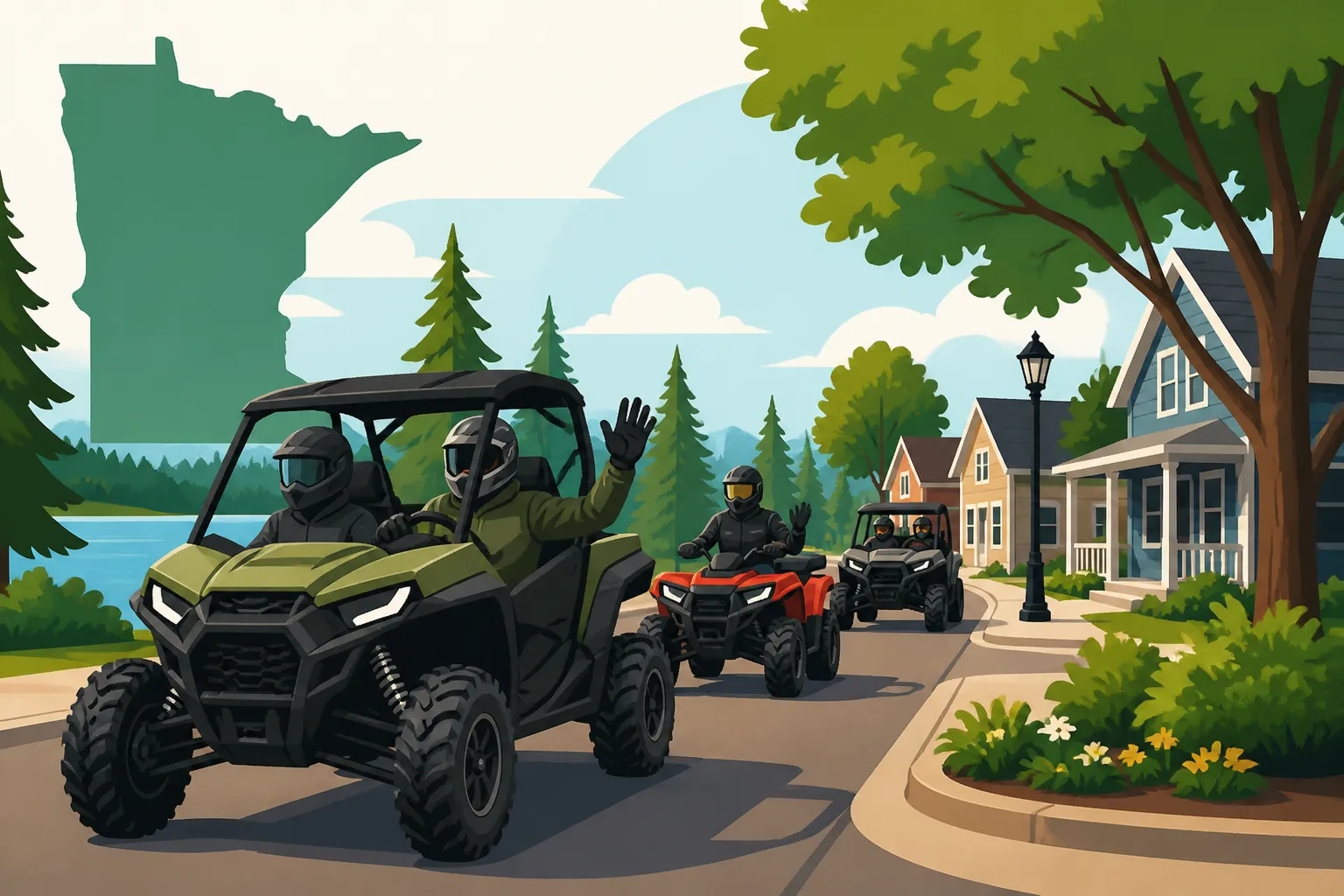
When parking, be thoughtful. Don't block storefronts, crosswalks, or access points to businesses or homes. If you need to stop, look for designated parking areas or spots where your group won't create an obstruction. Think about the local shop owner. If your machines are lined up across their main window, customers might be less likely to enter. A simple wave, a nod, or a friendly "hello" to locals you encounter can go a long way in building a positive relationship. Remember, you are a guest in their community.
Here's a quick comparison of behaviors:
| Behavior Aspect | Good Group Etiquette in Town | Poor Group Etiquette in Town |
|---|---|---|
| Speed | Slightly below posted limit; steady, calm pace | Exceeding speed limit; rapid acceleration/deceleration |
| Spacing | Ample space between machines (several lengths) | Riding fender-to-fender; forming a dense block |
| Noise | Low engine RPMs; no unnecessary revving; quiet conversation | Excessive revving; loud music; shouting between riders |
| Parking | Designated areas; not blocking entrances/crosswalks; organized | Blocking storefronts; haphazard parking; taking up too much space |
| Interaction | Polite waves; friendly nods; respectful demeanor; following rules | Ignoring locals; rude gestures; openly flaunting rules |
| Route Adherence | Sticking strictly to designated ATV routes and legal road sections | Cutting through private property; deviating from approved routes |
Practical Tips for Leading and Participating in Group Rides
Being part of an ATV/UTV group means shared responsibility. Whether you're leading the pack or riding sweep, every individual's actions contribute to the group's overall reputation. A little planning and communication can make all the difference.
Pre-Ride Briefing for Town Sections
Before your group even approaches the edge of a town, the ride leader should call a quick meeting. This isn't just for safety on the trails; it's crucial for setting expectations in populated areas. The briefing should cover:
- Speed limits: Remind everyone to slow down considerably.
- Single file: Emphasize riding in a single file line, especially on narrower streets or when [Crossing a Minnesota Road on an ATV].
- Quiet operation: A gentle reminder about engine noise, music, and general conversation volume.
- Hand signals: Review hand signals for turns, stops, and hazards, which are even more critical in traffic.
- Waving and courtesy: Encourage everyone to offer a friendly wave to residents and other motorists. It's a small gesture that builds goodwill.
Imagine a scenario where the ride leader, before entering a small town like Appleton, gathers everyone and says, "Alright team, as we roll into Appleton here, let's keep it slow, single file, and super quiet. Give a wave to anyone you see – we want to be good neighbors and make sure these towns stay welcoming." This simple pre-briefing ensures everyone is on the same page and helps avoid individual riders making common mistakes out of habit.
Designated Stops and Parking
Planning your stops in town can prevent chaos. Instead of having a dozen machines pull up haphazardly, consider scouting out potential parking areas beforehand. Look for larger lots that are less likely to be busy, perhaps behind a gas station or a general store, rather than directly on the main street. Many [Minnesota Cities With Posted ATV Routes] have designated ATV parking areas – use them!
If you're stopping for a meal, call the restaurant ahead of time, especially with a large group. Ask if they can accommodate your machines and if they have preferred parking. This proactive approach saves time and prevents your group from overwhelming a business or causing congestion. It shows you respect their operations and their other customers.
Interacting with Locals
This might seem obvious, but genuine, positive interactions can truly shape perceptions. A simple wave to a child watching from their yard, a polite thank you to a gas station attendant, or a quick chat with a shop owner can completely transform the experience. When you're making purchases, support local businesses. Buying your fuel, snacks, or souvenirs locally directly benefits the community that's hosting you.
Think about the positive impression left by a rider who stops to help an elderly person retrieve a dropped item, or who offers a friendly "good morning" to a pedestrian. These small acts of kindness show that riders are part of the broader community, not just passing through. It humanizes the group and helps dispel any negative stereotypes.
Navigating Specific Town Scenarios
Every town has its own rhythm and challenges. Being prepared for common situations will help your group navigate these spaces smoothly and respectfully.
Fueling Up and Shopping
When it's time to refuel, efficiency and consideration are key. If you have a large group, coordinate a plan:
- Stagger your approach: Don't all pull up to the pumps at once. Have a few machines fuel up, then move to a designated waiting area, making space for others.
- Inside the store: Only send a few people into the convenience store at a time to grab snacks or use the restroom. A flood of riders all at once can overwhelm a small store and create long lines for local customers.
- Move quickly: Once fueled and done with purchases, move your machines to a parking spot or staging area away from the pumps so others can access them.
It's about minimizing your footprint and not monopolizing facilities. A well-organized group can fuel up quickly and efficiently, leaving a positive impression. You might even find some helpful amenities or accessories, perhaps from a brand like SuperATV, at local general stores or powersports dealers in these trail towns. Remember to check out where to get [Fueling an ATV in a Minnesota Small Town] to plan your stops.
Eating Out and Taking Breaks
Finding a spot for lunch or dinner with a big group requires a bit of strategy. Some small-town eateries might have limited seating.
- Call ahead: Always call the restaurant in advance to let them know a large group is coming. This allows them to prepare seating and staffing, ensuring better service for everyone.
- Split up: If the group is truly massive, consider splitting into smaller units and visiting a couple of different establishments. This prevents any one restaurant from being overwhelmed.
- Be patient: Small town service might be a little slower than what you're used to. Be patient and polite, remembering that these businesses are often family-run.
- Clean up: Leave the area cleaner than you found it. Pick up any dropped napkins or trash.
A memorable experience for [Riding to Supper in a Minnesota Trail Town] should be positive for both your group and the restaurant staff. Your courteous behavior can turn a simple meal into a great community interaction.
When to Use the Road Shoulder vs. Ditch
Minnesota has specific rules for riding ATVs and UTVs on road rights-of-way, even within town limits. Generally, you're expected to ride on the far right of the road, often utilizing the ditch or shoulder where safe and legal. However, town environments can be different.
- Check local ordinances: Some cities or townships may have specific rules for ATV use on their streets or ditches that differ from general state regulations. Always look for posted signs.
- Road surface vs. ditch: While [Riding the Ditch of a Minnesota Right of Way] is common in rural areas, within a town, especially on paved streets with sidewalks, riding in the ditch might not be practical or even permitted. In these cases, you'll likely be riding on the extreme right of the paved road surface, adhering strictly to traffic laws.
- Pedestrian safety: Prioritize pedestrian safety. If there are sidewalks, be extra cautious about dust or noise if you're riding nearby.
Always remember that even if a city allows ATVs on its streets, the primary purpose of those streets is for cars and pedestrians. Be an example of responsible riding, respecting all other road users and pedestrians. This makes it easier for towns to continue welcoming riders and maintains access for trails and services.
Disclaimer
This article is for general informational purposes only and does not constitute professional advice. Laws, prices and regulations vary by location and change over time. Consult a qualified professional for guidance on your specific situation.