Riding a Lake Shore on a Machine
The call of Minnesota's countless lakes is undeniably strong, and for many ATV and UTV enthusiasts, the thought of cruising along a sandy shore, perhaps accessing a favorite fishing spot or checking on a dock, is incredibly appealing. It feels like a natural extension of enjoying the outdoors with your machine. However, the reality on the ground – or, more accurately, on the water's edge – is far more complicated than many folks realize, and misunderstanding the rules can quickly lead to frustrating fines and environmental damage. This guide will walk you through the stringent regulations surrounding ATV and UTV use on Minnesota's lake shores, outlining what's permissible, what's definitely not, and why these rules are so critical for preserving our cherished natural resources.
The Allure of the Minnesota Lakeshore for ATV/UTV Riders
Let's be honest: Minnesota is the "Land of 10,000 Lakes" for a reason. Our connection to water is deeply ingrained in our culture, whether it's for fishing, boating, swimming, or simply enjoying the tranquil views. When you own an ATV or UTV, a machine designed to explore and traverse varied terrain, it's easy to look at a pristine shoreline and imagine the possibilities. You might envision a quick run down to the water to launch a small boat, a convenient way to haul fishing gear, or even just a scenic ride with the breeze coming off the lake.
For property owners, the temptation can be even stronger. You might own land right up to the water's edge and feel that using your machine for tasks like moving a dock, putting in a lift, or clearing fallen branches near the shore is simply practical. You've got the machine, it's capable, and it's right there. This perception of convenience often clashes with the strict environmental protections Minnesota has in place for its delicate aquatic ecosystems. It's a common point of confusion and frustration for many who just want to enjoy their property or the great outdoors responsibly.
The Legal Line in the Sand: Minnesota's Strict Shoreline Rules
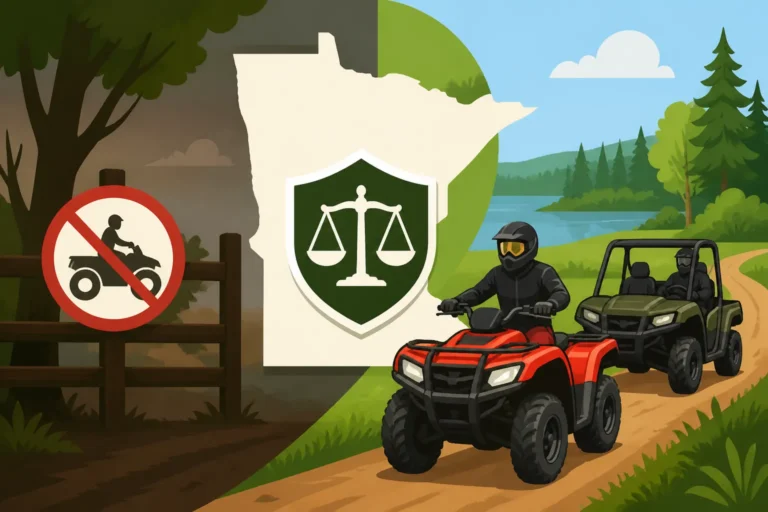
Here's the hard truth, straight and unvarnished: generally speaking, operating an ATV or UTV directly on the shoreline of public waters in Minnesota is illegal. The state's regulations are designed to protect the fragile shoreland environment, which includes the strip of land immediately adjacent to lakes, rivers, and wetlands. This area is critically important for water quality, erosion control, and wildlife habitat.
Minnesota law defines "shoreland" broadly, extending a certain distance back from the ordinary high water level. The specific rules for motorized vehicles in these areas are very restrictive because ATVs and UTVs, while incredibly useful off-road, can cause significant damage to sensitive ecosystems. Their tires can compact soil, churn up sediment, destroy vegetation, and disrupt nesting sites for birds and other wildlife. This isn't just about a specific lake; these regulations apply across the board to public waters throughout the state. Conservation officers, who patrol these areas, are well aware of the damage machines can cause and enforce these rules rigorously. You certainly don't want to run afoul of them, as the penalties can be steep, ranging from fines to potential confiscation in extreme cases. [Conservation Officer Enforcement in Minnesota] is something all riders should be aware of.
Why the Rules Are So Strict: Protecting Our Waters and Wildlife
The reasons behind these strict prohibitions are rooted in environmental protection. Shorelines are a critical buffer zone. When soil is disturbed by vehicle tires, it can lead to erosion, sending sediment and pollutants directly into the lake. This degrades water quality, harms fish spawning grounds, and can fuel algae blooms. Native vegetation along the shore acts as a natural filter, absorbing runoff and stabilizing the soil. When ATVs or UTVs destroy this vegetation, that protective barrier is lost.
Furthermore, many species of birds, amphibians, and insects rely on undisturbed shorelines for nesting, breeding, and feeding. The noise and disturbance from motorized vehicles can drive away wildlife, and directly crushing nests or small animals is a real possibility. Minnesota takes the health of its lakes very seriously, understanding that they are not just recreational amenities but vital natural resources. The rules aren't designed to inconvenience owners, but to preserve these areas for everyone, for generations to come.
Defining "Public Waters" and "Shoreland"
It’s important to understand what "public waters" means in Minnesota, as this is where the regulations truly apply. Generally, if a body of water is capable of substantial public use, or if it has been inventoried and designated as public water by the Department of Natural Resources (DNR), it falls under these protections. This includes the vast majority of our named lakes, rivers, and many significant wetlands. It's not just about big lakes like Mille Lacs or Lake of the Woods; even smaller, seemingly private lakes can be considered public waters.
"Shoreland" refers to the land area immediately adjacent to these public waters. The precise definition can vary depending on the type of water body and local zoning ordinances, but it typically extends a certain distance inland from the ordinary high water level. This means even if you're on your own property, if that property abuts public waters, you are subject to these shoreland regulations. Don't assume that because you own the land, you have free rein with your machine right down to the water. Understanding [Do You Need Registration on Your Own Minnesota Land?] might give you some insight into owning land, but it doesn't extend to the shoreland rules.
Navigating the Nuances: Limited Exceptions and Misconceptions
While the general rule is "no ATVs or UTVs on the lake shore," there are extremely limited situations or common misconceptions that riders often inquire about. It's crucial to understand that these are exceptions, not permissions for casual shoreline riding.
Farm and Utility Operations Near the Water
For those operating farms or performing legitimate utility work, there might be very specific, permitted uses of ATVs or UTVs in shoreland areas, but these are typically highly regulated and require careful adherence to best management practices. For example, if you're a farmer with land that borders a wetland, you might use your machine for specific tasks directly related to your agricultural operation, provided you have all necessary permits and are following specific guidelines to prevent soil erosion and water pollution. This isn't about recreational riding; it's about essential work. These instances are rare and usually involve specialized equipment and strict adherence to environmental protection measures. [Minnesota Rules for Farm and Utility Machines] delves into some of these specific use cases. If you are operating a machine for legitimate farm or utility tasks, ensure it is properly registered for public use, even if only briefly accessing a ditch or road right-of-way near shoreland. For instance, a durable utility UTV, perhaps outfitted with heavy-duty components from a brand like SuperATV, might be essential for farm tasks. However, its use near shorelines would still be highly restricted and require permits.
Crossing Waterways on Designated Trails
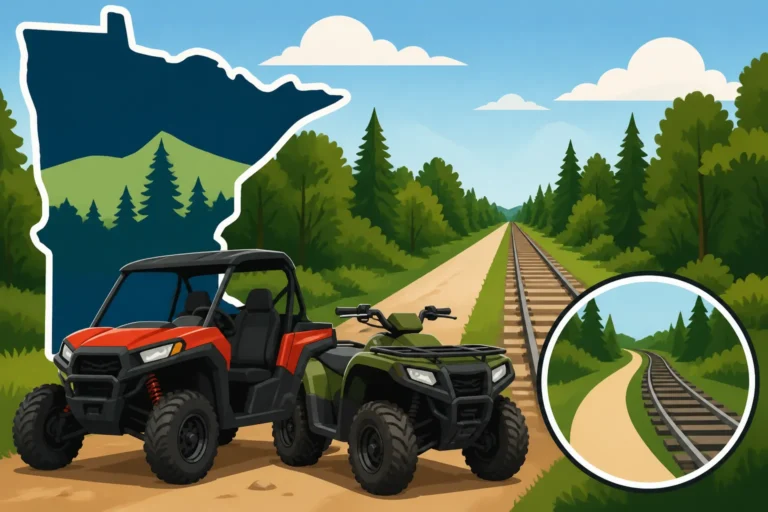
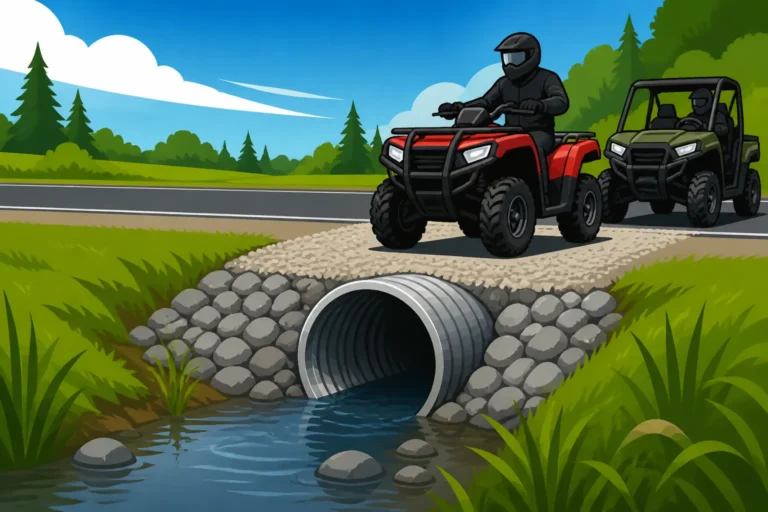
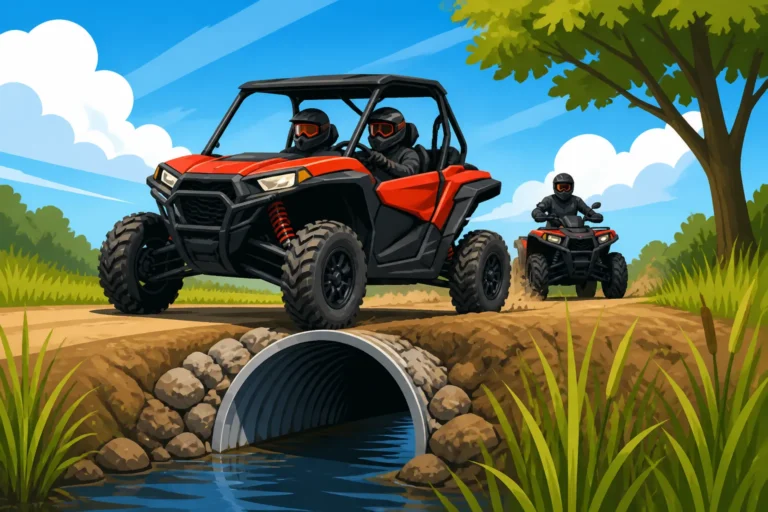
This is a key distinction. Riding along a lake shore is generally prohibited. However, if a designated, authorized ATV or UTV trail includes a bridge or a specifically constructed crossing point over a stream, river, or wetland, that is generally permissible as part of the trail system. These crossings are engineered to minimize environmental impact and are clearly marked. This is vastly different from forging your own path along an unregulated shoreline. Always stick to marked trails and respect any signage regarding water crossings. You can learn more about [Where Minnesota Trails Meet a Road] and other trail specifics.
Riding on Frozen Lakes (and What's Still Forbidden)
Minnesota's lakes freeze solid in winter, and riding ATVs and UTVs on the ice is a popular activity for ice fishing and winter recreation. When a lake is sufficiently frozen, the ice effectively becomes a temporary surface that can support machines. This is a common and legal way to access fishing spots or explore. However, even on a frozen lake, the actual shoreline remains a protected area. Once you leave the ice and try to ride up onto the bank or shore, you are once again subject to the same regulations that protect the land. [Minnesota Rules on Frozen Lakes] offers more detailed information on safe and legal ice riding practices. Remember that snow cover does not negate the shoreline protection rules.
| Scenario | Legality on Minnesota Shorelines | Reason/Clarification |
|---|---|---|
| Recreational riding on bare soil | Generally Illegal | Causes erosion, destroys vegetation, disturbs wildlife habitat. Applies to public waters and adjacent shoreland, even if private property. |
| Launching a boat/dock | Generally Illegal | Unless on private property and specifically permitted by local ordinance, direct machine use on shore for this is problematic due to environmental impact. Hand carts/trailers are usually required. |
| Designated trail crossing | Legal | If a trail features an engineered bridge or marked crossing point, it is designed for minimal impact and is permissible as part of the trail system. |
| Riding on frozen lake ice | Legal (with caveats) | Permissible when ice is safe, often for ice fishing or travel. However, entering or exiting the lake on the physical shore is still subject to shoreland rules. [Ice Thickness a Machine Needs] is crucial. |
| Farm/Utility work | Highly Restricted | May be permissible only with specific permits for essential agricultural or utility tasks, adhering to strict environmental guidelines. Not for general use. |
| Private land access | Conditional | If your private land is not considered shoreland, you can ride. If it abuts public waters, shoreland rules still apply, regardless of ownership. [Do You Need a Pass on Deeded Minnesota Ground?] offers insights into private land rules. |
Common Misconceptions That Lead to Trouble
One of the biggest misconceptions is that if you own the land, you can do whatever you want. As discussed, if your land is adjacent to public waters, shoreland rules still apply. Another common error is assuming that a small, isolated puddle or wet spot isn't covered by the regulations. Many smaller wetlands and ephemeral streams are protected due to their ecological role. Some people also believe that if nobody is watching, it's fine. Conservation officers frequently patrol these sensitive areas, and they take violations seriously. [Minnesota Trespass Rules Along Ditches] often parallels these shoreland rules regarding access and permissible riding areas.
Protecting Our Waters: Environmental Impact and Responsible Riding
The regulations aren't arbitrary; they are the backbone of Minnesota's commitment to clean water and thriving ecosystems. Every action we take with our machines has an impact, and nowhere is that more evident than in fragile environments like lake shores. Understanding this helps shift the perspective from a restriction to a shared responsibility.
The Real Damage: Erosion, Pollution, and Habitat Destruction
When an ATV or UTV is driven on a soft, vegetated shoreline, the damage starts immediately. Tires churn up the soil, compacting it in some areas and creating ruts in others. This makes the soil more susceptible to erosion, especially during rainfall or spring runoff. Sediment laden with nutrients then washes into the lake, clouding the water and promoting nuisance algae growth. This "muddying" of the waters directly impacts fish species that rely on clear water for spawning and feeding.
Beyond the visible damage, the subtle destruction of vegetation can be devastating. Native grasses, shrubs, and trees along the shoreline filter pollutants, provide shade, and offer critical habitat for everything from frogs to waterfowl. [Minnesota Resource Damage Citations] exist for a reason – the state takes this destruction seriously because repairing these ecosystems can take years, if not decades, and often costs a significant amount of money.
Responsible Alternatives for Lake Access and Enjoyment
So, if riding your ATV or UTV on the shoreline is largely off-limits, what are the responsible alternatives?
- Designated Access Points: Use public or private boat launches and designated access points to get to the water. These areas are designed to handle vehicle traffic and minimize environmental impact.
- Hand Carts and Dollies: For moving docks, boats, or heavy gear, invest in robust hand carts, dollies, or even small, non-motorized trailers that can be pulled by hand to the water's edge. This eliminates the need for motorized vehicles directly on the fragile shoreland.
- Boats and Watercraft: Once on the water, use boats, canoes, kayaks, or other watercraft for exploring the lake. That's what they're designed for!
- Explore Trails That Lead to Lakes, Not Along Them: Minnesota has an incredible network of ATV and UTV trails. Many of these trails will lead you to a lake or offer scenic overlooks. Enjoy the trails and then enjoy the lake separately. Remember to always have your [Minnesota Trail Pass] when riding public trails.
- Proper Gear for Legal Riding: While riding on the shore is a no-go, having the right gear for legal riding is still important. If you need robust components for your UTV for legitimate utility work on your property, away from sensitive shoreland, brands like SuperATV offer a range of durable parts that can enhance your machine's capabilities. Just remember, no amount of heavy-duty equipment makes shoreline riding legal.
It’s about separating the desire to use your machine for recreation or utility from the imperative to protect our state's most treasured natural assets. By choosing responsible practices, we ensure that Minnesota's beautiful lake shores remain pristine and accessible for everyone, today and far into the future. After all, the joy of being on a Minnesota lake is knowing its beauty is preserved.
Disclaimer
This article is for general informational purposes only and does not constitute professional advice. Laws, prices and regulations vary by location and change over time. Consult a qualified professional for guidance on your specific situation.