Rules on Private Logging Roads
There's a certain allure to those rough, unpaved tracks that disappear deep into the woods, especially here in Minnesota where timber land is so abundant. You see them winding off the main roads, often barely more than two ruts, and your mind immediately goes to the adventure of exploring unknown territory on your ATV or side-by-side. But the reality is, these private logging roads come with a thicket of rules and potential pitfalls that can quickly turn an exciting ride into a legal headache or a dangerous situation. This guide is here to untangle the confusion surrounding private logging roads and your off-highway vehicle (OHV) in Minnesota, helping you understand when and how you can legally and safely enjoy these unique paths.
Understanding Private Land Versus Public Access in Minnesota
Let's start with the fundamental principle that governs all land use in Minnesota: ownership. When you're out on your ATV or UTV, it's easy to assume that any trail or track you encounter might be fair game, especially if it doesn't have a clear "No Trespassing" sign every fifty feet. However, this assumption can land you in serious trouble, particularly when it comes to private logging roads. The vast majority of these roads are, as their name implies, private, meaning they are owned by individuals, families, or timber companies, and their primary purpose is commercial forestry, not recreational OHV use.
The Core Distinction: Ownership and Consent
The golden rule for private land, including logging roads, is simple: if you don't own it, you need explicit permission to be on it. This isn't just a polite suggestion; it's a legal requirement. In Minnesota, riding an ATV or UTV on private land without the owner's permission is considered trespassing. It doesn't matter if the road looks abandoned, if there's no gate, or if you've seen other tracks on it. Without that explicit consent, you're breaking the law. This distinction is crucial because unlike public lands or designated trail systems, private logging roads are not maintained or managed for public recreation.
Think of it like this: your neighbor's driveway might look like a tempting shortcut to the lake, but you wouldn't just drive across it without asking, right? The same principle applies here, just on a much larger, wilder scale. Logging companies and private landowners have significant investments in their land and operations, and unauthorized access can disrupt their work, pose safety risks, and create liability issues. Their priorities are timber harvest and land management, not providing a recreational outlet for OHV enthusiasts. This makes understanding [Minnesota Trespass Law for Riders] absolutely essential for anyone considering venturing off marked public trails.
What Constitutes a "Logging Road"?
So, what exactly are we talking about when we say "logging road"? These aren't your typical paved roads or even well-maintained gravel county roads. Private logging roads are generally unimproved or minimally improved tracks cut through timberland primarily for the purpose of accessing timber stands, transporting equipment, and hauling logs out of the forest. They can vary wildly in condition, from somewhat stable gravel paths to barely discernible muddy tracks that crisscross a property.
They often feature deep ruts, sharp turns, steep grades, and temporary bridges or culverts. You might encounter areas with fresh logging debris, active harvesting equipment, or signs indicating ongoing operations. Unlike designated public trails which are typically designed and maintained for recreational use, logging roads are utilitarian. They might lead to nowhere from a recreational standpoint, simply ending at a loading deck or a recent clear-cut. They are rarely marked with trail signs or difficulty ratings, and they certainly don't offer services like restrooms or staging areas. Essentially, they are infrastructure for a commercial operation, not a recreational amenity.
Navigating Permission for Private Logging Roads
Given that private logging roads are, well, private, the primary hurdle for any ATV or UTV rider is securing permission to use them. This isn't always straightforward, and it certainly isn't a matter of simply hoping for the best. Taking the time to properly request and obtain permission is vital for avoiding legal trouble and maintaining good relationships with landowners.
Getting Explicit Permission: Who to Contact
Identifying the owner of a private logging road is the first step, and it can sometimes be a bit of a detective mission. In Minnesota, large tracts of timberland are often owned by timber companies, investment groups, or large private estates. Smaller logging operations might use roads on land owned by individual families or farmers. Your local county auditor or recorder's office can be a valuable resource for identifying property owners. Once you've identified the owner, you need to make direct contact.
This usually means a formal request, often in writing, clearly stating your intentions (e.g., "I would like to ride my ATV on your logging roads on Parcel X on [date/timeframe]"). Be prepared to provide details about your machine, your experience, and any relevant insurance you carry. Companies and large landowners, in particular, will be concerned about liability, property damage, and disruption to their operations. Some may have specific policies against recreational use, while others might grant conditional access for certain periods or under specific guidelines. Always ask for written permission, if possible, to avoid misunderstandings later on. Remember, a verbal "sure, go ahead" can be easily forgotten or misinterpreted.
The Risks of Trespassing: It's Not Just a Slap on the Wrist
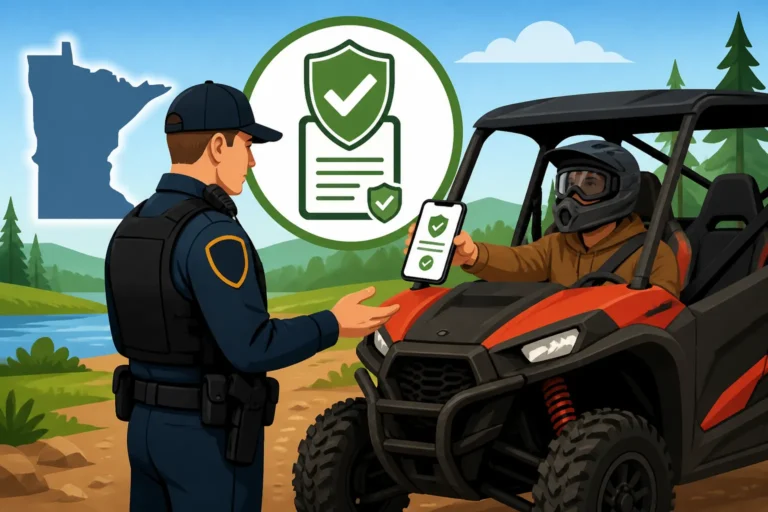
Riding on private logging roads without permission carries significant risks, and we're not just talking about a stern lecture. In Minnesota, trespassing can result in fines, the impoundment of your ATV or UTV, and even criminal charges, depending on the severity and frequency of the offense. Conservation officers and local law enforcement actively patrol these areas, and landowners are often quick to report unauthorized activity. They've dealt with issues like littering, property damage, illegal dumping, and fire risks, so they're often vigilant about who is on their land.
Beyond the legal ramifications, there's the very real danger of encountering active logging operations. Heavy machinery, falling trees, and unstable ground are serious hazards, and you could inadvertently put yourself and others at risk. Imagine turning a blind corner and coming face-to-face with a massive feller buncher or a logging truck. These are industrial zones, not playgrounds. Furthermore, if you cause any damage to the land, roads, or equipment, you could be held financially liable. The cost of repairing a rutted road or damaged culvert could be far more than any recreational thrill is worth. This is why knowing [What a Minnesota Conservation Officer Asks For] is important, as they enforce these rules rigorously.
Safety and Responsibility on Private Logging Roads (Even with Permission)
Even when you've secured permission to ride on private logging roads, the adventure is far from a carefree cruise. These aren't designated recreational trails, and they come with a unique set of challenges and hazards that demand a higher level of caution, skill, and preparedness. Your mindset needs to shift from leisurely trail riding to navigating a dynamic, working environment.
Unique Hazards of Logging Roads
Private logging roads are inherently more dangerous than purpose-built ATV trails. For one, they are often actively used by heavy equipment like logging trucks, skidders, and loaders. These vehicles are large, loud, and often have blind spots, and their operators are focused on their work, not on watching for recreational riders. You could easily find yourself in a dangerous situation if you're not constantly aware of your surroundings and ready to yield to industrial traffic.
Beyond active operations, the roads themselves present challenges. They are rarely maintained for smooth recreational travel. You'll encounter deep ruts, large rocks, exposed stumps, washouts, and unstable surfaces, especially after rain or heavy equipment use. Bridges and culverts might be temporary or in disrepair. Unlike groomed trails, there are no warnings for sharp turns or steep descents, and trails might end abruptly at a logging landing or a muddy bog. A strong, durable machine is a must, and many riders find that aftermarket components, like heavy-duty A-arms or reinforced skid plates from brands like SuperATV, offer the added protection and ground clearance needed for these unforgiving conditions. Always proceed slowly, assume the worst around blind corners, and keep your head on a swivel.
Your Equipment and Preparedness
Riding private logging roads is not the time to skimp on preparedness. Your ATV or UTV should be in top mechanical condition, and you should be carrying far more than you would for a casual ride on a well-maintained public trail. Think about heavy-duty tires with aggressive tread for traction on varied surfaces – mud, gravel, loose rock. Skid plates are almost a necessity to protect your undercarriage from hidden stumps and rocks. A good winch is critical for self-recovery, as you're unlikely to find help deep in the woods.
Beyond your machine, your personal gear is paramount. Always wear appropriate riding gear, including a DOT-approved helmet, eye protection, gloves, and sturdy boots. Carry a comprehensive first-aid kit, emergency shelter, plenty of water, and extra fuel. Communication is also key: cell service can be spotty or nonexistent in remote timberlands, so a satellite messenger or two-way radio might be a lifeline. Before you ever head out, make sure someone knows your planned route, your estimated return time, and what to do if they don't hear from you. Being prepared for [What to Carry on a Remote Northwoods Ride] is not just good practice, it's essential for survival in these isolated areas.
When Private Roads Feel Public: Easements and Agreements
Sometimes, a private road can feel like public access, especially if it leads somewhere you frequently visit, or if you see local traffic on it. This can lead to confusion about whether it's truly off-limits for ATV/UTV use. It's important to understand the nuances of easements and special agreements, as these can create legitimate, albeit often limited, exceptions to the general rule of private property.
Public Easements and Right-of-Way Exceptions
An easement is a legal right to use another person's land for a specific purpose. For example, a logging company might grant an easement across its property to allow a landlocked cabin owner access to their property, or a utility company might have an easement for power lines or pipelines. In some rare cases, a private logging road might even have a public easement for vehicle traffic. However, this is where the critical distinction lies: a public easement for general vehicle traffic (e.g., cars and trucks) does not automatically extend to OHV use.
Unless the easement specifically states that ATVs or UTVs are permitted, or if the road is explicitly signed as an OHV route by the DNR or a local government body, you should assume OHV use is prohibited. Many public easements are granted for specific types of vehicles or purposes, and ATVs are often excluded due to their unique impact on trails and environmental considerations. Researching specific easements can be done through county land records, but interpreting them requires careful attention to detail. Don't assume; verify. Even if an easement exists, it doesn't mean the road is a free-for-all. Often, these roads are still maintained by the private landowner, and they retain control over most aspects of their use.
Special Agreements with Landowners or Clubs
The best-case scenario for accessing private logging roads is through special agreements. In Minnesota, some ATV clubs or organizations work directly with timber companies, private landowners, or even counties to establish designated trails that utilize parts of private logging road networks. These agreements are usually formalized, and the landowner has granted explicit permission for OHV use, often with specific conditions regarding maintenance, liability, and season of use.
If you encounter a logging road that appears to be part of an official trail system, it's because these clubs or the DNR have done the hard work of securing that access. These segments will typically be clearly marked with official trail signage, indicating they are part of the [Minnesota's Grant-in-Aid Trail System] or a similar recognized network. Always check official maps from the Minnesota DNR or local ATV clubs. These resources will show you exactly where the legal trails are, which might include sections of former or active logging roads that have been granted specific recreational access. Joining a local ATV club can also be a fantastic way to learn about these unique opportunities and even participate in maintaining such trails, like those mentioned in [Minnesota ATV Clubs and the Trails They Keep]. This ensures you're riding legally and contributing to the responsible use of these valuable resources.
Comparing Private Logging Roads to Designated Trails
The appeal of venturing onto a quiet, unmaintained logging road is undeniable for many off-road enthusiasts. It feels like true exploration, away from the crowds of popular trails. However, it's crucial to weigh this appeal against the practical realities, legal implications, and inherent dangers compared to riding on Minnesota's extensive network of designated OHV trails.
| Feature | Private Logging Roads (Without Permission) | Designated Public Trails (Minnesota) |
|---|---|---|
| Legal Status | Illegal Trespassing | Legal, authorized OHV use |
| Permission | Required, difficult to obtain, often denied | Built-in, no individual permission needed |
| Safety | High risk (heavy equipment, unmarked hazards, no emergency services) | Moderate risk (mapped, signed, emergency services aware of routes) |
| Maintenance | None for recreation, potentially poor condition | Regularly maintained for OHV use, signed |
| Markings | None or industrial signage only | Clear trail markers, difficulty ratings, waypoints |
| Liability | Rider fully liable for self & property damage | Shared responsibility with land manager/state |
| Amenities | None (no parking, restrooms, etc.) | Often have staging areas, restrooms, shelters |
| Enforcement | Active enforcement, fines, impoundment | Enforcement focused on safe & legal riding |
| Purpose | Timber harvest, resource management | OHV recreation, specific use |
Why Designated Trails Are Usually a Better Bet
When you look at the comparison, it becomes clear why opting for Minnesota's designated OHV trails is almost always the safer, more responsible, and frankly, more enjoyable option in the long run. Designated trails, whether they are part of the state's Grant-in-Aid system or within state forests and OHV parks, are designed and managed for recreational use. This means they are mapped, often rated for difficulty, and regularly maintained by trail crews or local clubs. You'll find clear signage, making navigation straightforward, and you won't have to worry about accidentally trespassing or encountering active logging operations around a blind bend.
These trails offer a predictable and structured riding experience, reducing the risk of unexpected hazards and legal repercussions. They are where you can truly relax and enjoy your ride, knowing you are on legal ground and that basic safety measures are in place. When planning a ride, consider looking at official resources for [Where to Ride an ATV in Minnesota] and planning your route through areas like [Nemadji State Forest and Its 200 Miles] or the [Iron Range OHV Area at Gilbert]. These locations offer hundreds of miles of thrilling, legal riding.
The Lure and the Law
We all understand the desire for adventure, the thrill of discovering an untouched path, or the challenge of a truly primitive road. Private logging roads offer that sense of raw, untamed exploration that many riders crave. There's a certain mystique to these forgotten tracks, hinting at the wildness of Minnesota's forests. And yes, sometimes they do lead to breathtaking views or secluded spots that public trails don't reach.
However, that lure must always be balanced against the law, the real dangers, and the potential negative impact on the landowners. Riding illegally on these roads not only puts you at risk but also jeopardizes the future of responsible OHV riding in Minnesota. It can lead to stricter regulations, increased landowner hostility towards riders, and even the closure of existing legal trails if the OHV community is perceived as disrespectful of private property. By choosing designated trails, or by diligently seeking and securing proper permission for private land, you ensure that the sport remains viable and enjoyable for everyone. Before heading out, take time for [Planning a Minnesota Riding Trip] and ensure you are familiar with the rules, your machine, and your route. Remember, part of being a responsible rider is respecting the land, whether it's public or private, and ensuring the continued access for future generations of riders.
Disclaimer
This article is for general informational purposes only and does not constitute professional advice. Laws, prices and regulations vary by location and change over time. Consult a qualified professional for guidance on your specific situation.