Riding a Minnesota Township Road
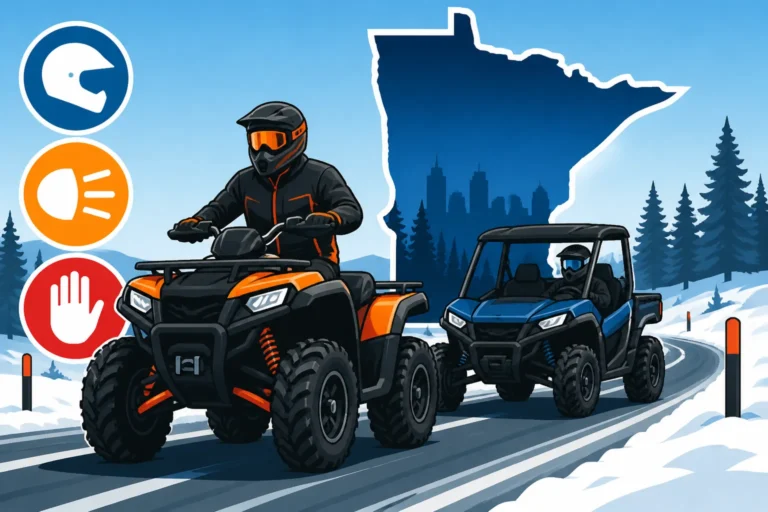
It's a common dilemma for Minnesota ATV and UTV riders: you're out on the trails, maybe heading to a favorite hunting spot, or just trying to get from your cabin to the nearest gas station, and a township road stands between you and your destination. The rules around riding your off-highway vehicle (OHV) on these roads can feel like a tangled mess of "can I or can't I?", leaving many of us scratching our heads. This guide is here to untangle that knot, walking you through Minnesota's often-confusing regulations for operating your ATV or UTV on township roads, so you can ride confidently and legally.
Understanding Minnesota's Road Riding Landscape for ATVs and UTVs
Minnesota's approach to ATV and UTV use on public roads isn't a simple "yes" or "no." Instead, it's a patchwork quilt of rules that depend heavily on the type of road and local governmental decisions. This can be incredibly frustrating when you just want to connect the dots on your riding route or grab a bite in a nearby town.
The General Rule: Off-Limits Unless Posted
Let's get this out of the way upfront: in Minnesota, the default rule for riding ATVs and UTVs on public roads is that it's generally not allowed. This includes state highways, county roads, and most township roads. This can feel incredibly restrictive, especially when you can see your destination just a short distance down a gravel road. We've all been there, looking at that last stretch of road thinking, "Surely I can just zip down that." But without proper authorization, doing so can land you a ticket.
The intent behind this general prohibition is often safety – separating slower-moving, open-air OHVs from faster, enclosed passenger vehicles. However, for many riders, it creates a logistical headache. You might have amazing trails on either side of a township road, but no legal way to cross or connect them. This often forces riders to trailer their machines for short distances, which defeats the spontaneity of a good ride. The key takeaway is that you can't assume a road is open for OHV use just because it's quiet or unpaved.
How Township Roads Differ from County and State Roads
The good news is that not all roads are created equal in Minnesota when it comes to OHV access. The state has a tiered system of road governance:
- State Highways: These are major arteries, almost universally off-limits to ATVs and UTVs, except for direct crossings at designated points. They’re managed by the Minnesota Department of Transportation (MnDOT).
- County Roads: These are maintained by individual county highway departments. Like state highways, they are generally closed to OHV use unless a specific county board has passed an ordinance to open certain segments. These ordinances are less common than township ones.
- Township Roads: This is where things get interesting for OHV enthusiasts. Township roads are typically gravel or dirt roads maintained by the local township board. Crucially, Minnesota law grants township boards the authority to open these roads for ATV and UTV use through a local ordinance. This means townships have more autonomy to decide what works best for their residents and local riding culture.
This local control is a double-edged sword. On one hand, it allows communities to embrace OHV recreation and provide valuable access. On the other, it means the rules can vary drastically from one township to the next, sometimes even within the same county. What's legal in Township A might be illegal just a few miles down the road in Township B, creating a confusing patchwork for riders.
The Key Role of Local Ordinances and Posting
So, how do you know if a township road is open for your ATV or UTV? It all comes down to local ordinances and clear posting. A township board must pass a formal resolution or ordinance to designate certain roads or road segments as open for OHV use. This isn't just a casual agreement; it's a legal process that requires public notice and an official vote.
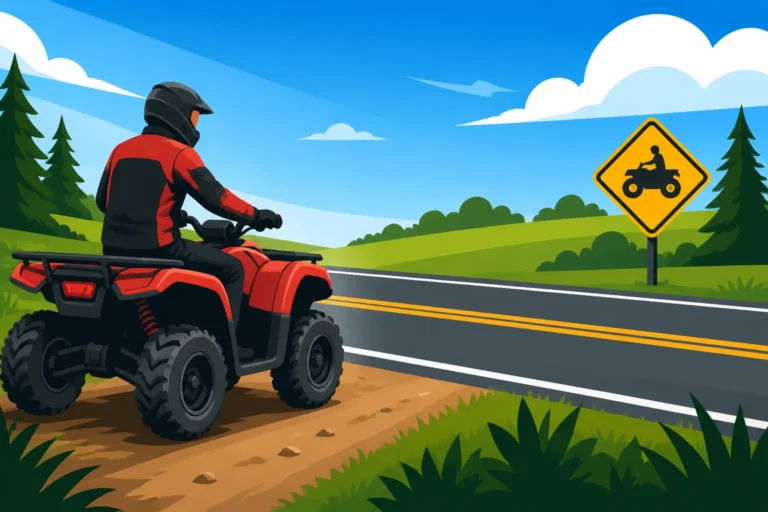
Once a road is officially designated, the township is typically required to "post" it with signs indicating that OHVs are allowed. These signs are critical – they're your visual confirmation that you're on a legal route. Without them, even if you heard through the grapevine that a road might be open, you can't be sure, and ignorance of the law is no excuse for a conservation officer.
Finding out which roads are designated can sometimes feel like a treasure hunt. You might need to check the township's official website, look for posted signs while scouting, or even call the township clerk directly. Local businesses in popular riding areas, such as gas stations or general stores, often have information about local ATV/UTV routes, as they benefit from rider traffic. Understanding [Where Minnesota Cities That Allow ATVs on Streets] are located can also provide clues about adjacent township road policies.
Navigating the Specifics: What's Allowed (and How) on Open Township Roads
Even if a Minnesota township road is officially designated and posted as open for ATV or UTV use, simply hitting the throttle isn't enough. There are still crucial operational and rider requirements you absolutely must meet to stay legal and safe. Think of it like a driver's license – just because you can drive a car on the street doesn't mean you can do it without a license, insurance, or working headlights.
Operational Requirements for Riding on Posted Roads
Your machine needs to be up to snuff before you take it onto any public road, even a township one. This isn't just about avoiding tickets; it's about your safety and the safety of others.
First and foremost, your ATV or UTV must be registered with the Minnesota DNR if you plan to ride it on public lands or designated roads. This means having current registration decals displayed correctly. For Minnesota residents, this is typically a three-year registration. If you're visiting from out-of-state, you'll need a non-resident trail pass, unless your home state has specific reciprocity agreements which Minnesota often does not. Without proper registration, you're looking at fines even on open roads. Make sure you understand [Registering an ATV in Minnesota] and [Minnesota's Non-Resident ATV Trail Pass Explained] to avoid any issues.
Next up is insurance. While Minnesota doesn't require liability insurance for all ATV/UTV operation on private land, it absolutely does for riding on public lands, including designated township roads. This is crucial for protecting yourself and others in case of an accident. Imagine hitting a patch of gravel and swerving into a mailbox – without insurance, you'd be on the hook for those damages. It's smart to review [Minnesota ATV Insurance Cost] and specifically look into [Minnesota Liability Coverage for Riders] to ensure you're adequately covered.
Safety equipment is non-negotiable, particularly if you have younger riders. Helmets are mandatory for all ATV and UTV riders under the age of 18 when operating on public lands or roads. Even if you're an adult and it's not legally required for you, wearing a helmet is always a good idea – a moment's lapse in judgment can lead to serious injury. Eye protection is also required for all riders, regardless of age. Clear eyewear or goggles are essential to protect your eyes from dust, bugs, and debris that can fly up, especially on gravel roads. Check the specifics on [Minnesota Helmet Rules for Riders Under 18] and [Eye Protection on a Minnesota Ride].
Finally, your machine itself needs to meet certain specifications for road use. This includes functional headlights and taillights, especially if you're riding around dusk or dawn. You'll also need effective brakes, a working muffler to keep noise within legal limits (don't be that rider who upsets the locals!), and a spark arrester to prevent wildfires. Many riders who frequently use township roads opt to add aftermarket accessories like turn signals and mirrors for increased visibility and safety, even if not strictly mandated by law for every township road. Reputable brands like SuperATV offer a wide range of these accessories, from mirrors that give you better situational awareness to full turn signal kits that make your intentions clearer to other drivers. Outfitting your machine with these enhancements makes sense for responsible road sharing. Read more about specific requirements under [Lighting Rules for Minnesota Night Riding] and [Mufflers and Spark Arresters in Minnesota].
Driver Requirements and Age Restrictions
It's not just about the machine; the operator has rules to follow too.
For adults (18 and older), a valid driver's license isn't always explicitly required to operate an ATV or UTV on designated township roads, but you must have completed an approved ATV safety training course if you were born after July 1, 1987, to ride on any public lands or designated roads. Even if you fall outside that birthdate, taking a safety course is highly recommended for all riders. Understanding [Driver's License Rules for Minnesota Road Riding] can help clarify when it might apply, and [Minnesota's ATV Safety Training Requirement] will tell you exactly what you need.
For younger riders, Minnesota has specific age restrictions and supervision requirements. Generally, riders 12 and older can operate an ATV or UTV on designated public roads and trails if they have a valid safety certificate. However, those between 12 and 15 must also be accompanied by a parent or legal guardian on a separate ATV or UTV if they are on roads. There are strict rules about carrying passengers, especially for youth machines. It’s vital to understand [Minnesota Road Rules for Riders Aged 12 to 15] and [Accompanied Riding for Minnesota Minors] to ensure you're not putting your kids or yourself at risk, both legally and physically.
Speed Limits and Traffic Rules
When you're riding on a designated township road, you are now sharing that space with other vehicles – cars, trucks, even farm equipment. This means you must obey all posted speed limits and general traffic laws. This isn't the trail where you can push your machine; it's a public thoroughfare.
Always stay to the far right of the road, yield to oncoming traffic, and be prepared to pull over to let faster vehicles pass. Use hand signals if you don't have turn signals, and always assume other drivers might not see you. On a gravel township road, dust can be a major issue, reducing visibility for everyone. Slow down when approaching other vehicles, homes, or blind corners to minimize dust and ensure you can react to unexpected hazards. Being a courteous rider goes a long way in maintaining positive relationships with local residents and ensuring these roads stay open for OHV use.
Common Pitfalls and Best Practices for Township Road Riding
Navigating Minnesota's township roads with your ATV or UTV can be a fantastic way to extend your riding opportunities, but it's rife with potential misunderstandings. Being informed and acting responsibly are your best defenses against trouble.
The Difference Between Ditch Riding and Road Surface Riding
This is perhaps one of the biggest points of confusion for many riders. Often, when a township road is "open" to ATVs and UTVs, it doesn't mean you can simply drive on the paved or graveled surface like a car. In many cases, OHVs are restricted to the road's ditch or shoulder, not the main travel lane itself. This subtle but critical distinction can lead to tickets if you're not paying attention. The goal is often to provide passage without interfering with regular vehicular traffic on the maintained surface.
So, how do you know if it's ditch or surface? Again, look for signs. Some ordinances specifically allow surface riding, while others will mandate ditch use. If in doubt, stick to the ditch or shoulder. There are exceptions, of course. You are generally allowed to cross the road surface directly and safely at a 90-degree angle to get from one ditch to another, or to enter/exit private property. You might also be permitted to briefly use the road surface to get around obstacles like bridges or culverts where the ditch itself is impassable or unsafe. Be mindful of [The Road Surface Minnesota Keeps Closed] and understand what [Crossing a Minnesota Road on an ATV] safely entails, as well as the rules for [Hazard Exceptions for Bridges and Culverts]. Always exercise extreme caution when interacting with the main travel lanes.
How to Find Out Which Roads Are Open
As we touched on, the onus is on you as the rider to know where you can and cannot legally ride. This isn't always easy, but there are steps you can take:
- Contact the Township Clerk: This is often your most reliable source. A quick phone call or email to the specific township's administrative office can get you definitive answers about which roads are open and under what conditions. They can often provide copies of relevant ordinances.
- Check Township Websites: Many townships, especially those in popular riding areas, will post their ATV/UTV ordinances and maps of designated routes on their official websites.
- Look for Posted Signs: When you're scouting or riding, actively look for the official signs that indicate OHV use is permitted. No sign usually means no go.
- Consult Local Businesses and Clubs: Gas stations, bait shops, and local ATV/UTV clubs in popular riding areas are often excellent resources for up-to-date local information. They thrive on rider traffic and usually know the lay of the land.
Never rely solely on word-of-mouth or assumptions. What one person thinks is allowed might be based on old information or simply wrong. Getting a ticket for illegal road use is a sure way to ruin a good ride, and [Minnesota Fines for Illegal Road Riding] can be substantial.
Respecting Property Owners and Local Residents
When you're riding on any public land or road, you're a guest in that community. This is especially true on township roads, which often pass directly in front of private homes and farms. Being a respectful rider is paramount to maintaining good relationships and preventing public outcry that could lead to roads being closed to OHVs.
- Noise Control: Your machine's exhaust might sound great to you, but to a homeowner trying to enjoy a quiet afternoon, excessive noise can be a major disturbance. Ensure your muffler is in good working order and adhere to any local noise ordinances. Be particularly mindful when passing homes, churches, or other sensitive areas. Check out [Minnesota Noise Rules Near Lake Homes] for broader context on noise regulations.
- Dust Control: On dry gravel roads, ATVs and UTVs can kick up a significant amount of dust. This dust can coat homes, gardens, and other vehicles. Slow down considerably when passing houses or other vehicles to minimize dust.
- Speed and Manner: Drive slowly and courteously near homes, farms, and any areas where people or animals might be present. Keep an eye out for children, pets, and livestock. Your behavior reflects on all OHV riders.
Consider using accessories from brands like SuperATV that enhance safety and utility, like a windshield to reduce dust for you, or a sound-reducing exhaust if you're exploring aftermarket options, demonstrating your commitment to responsible riding. By being a good neighbor and showing respect, you help ensure these township road access opportunities remain available for years to come.
Penalties for Illegal Road Use
Ignoring Minnesota's rules for ATV/UTV use on township roads can have serious consequences beyond just a stern talking-to. Law enforcement, including local police, sheriff's deputies, and especially Minnesota DNR conservation officers, regularly patrol these areas.
Penalties can range from fines for specific violations (like operating an unregistered machine or riding on a closed road) to more severe consequences like having your machine impounded or losing your riding privileges. For instance, [Penalties for an Unregistered ATV in Minnesota] can be quite a deterrent. Repeated offenses or serious infractions can lead to escalating fines and even criminal charges in some circumstances. Remember, any time you're on public land or roads, you are subject to the full extent of Minnesota law. It's always cheaper and less stressful to know the rules and follow them than to pay a fine or deal with legal repercussions.
Navigating township roads in Minnesota with your ATV or UTV can be a fantastic way to connect trails, access amenities, or simply enjoy a scenic route. The key is to be informed, be prepared, and be a responsible rider. By understanding the local ordinances, ensuring your machine is compliant, and always showing respect for other road users and property owners, you can enjoy these unique riding opportunities safely and legally.
Township Road Rules At a Glance
| Feature | Designated Township Roads (Ditch/Shoulder Use) | Designated Township Roads (Surface Use) | General Road Surface (Non-Designated) |
|---|---|---|---|
| Registration | Required (MN residents) or Non-Resident Trail Pass | Required (MN residents) or Non-Resident Trail Pass | Not applicable (Illegal to ride) |
| Insurance | Required (Liability) | Required (Liability) | Not applicable (Illegal to ride) |
| Helmet (Under 18) | Required | Required | Not applicable (Illegal to ride) |
| Eye Protection | Required for all riders | Required for all riders | Not applicable (Illegal to ride) |
| Lights/Muffler | Required | Required | Not applicable (Illegal to ride) |
| Driver's License | Safety Certificate required (post-July '87 birthdate) | Safety Certificate required (post-July '87 birthdate) | Not applicable (Illegal to ride) |
| Age Restrictions | Specific rules for minors, supervision required | Specific rules for minors, supervision required | Not applicable (Illegal to ride) |
| Speed Limit | Must obey posted limits (often 30 mph or less) | Must obey posted limits | Not applicable (Illegal to ride) |
| Traffic Laws | Must obey all traffic laws | Must obey all traffic laws | Not applicable (Illegal to ride) |
| Crossing Road | Generally allowed (90-degree, safely) | Generally allowed (90-degree, safely) | Generally allowed (90-degree, safely) |
| Bridges/Culverts | Surface use allowed if ditch impassable/unsafe | Surface use allowed | Not applicable (Illegal to ride the ditch/shoulder) |
| Signage Required? | Yes, must be officially posted | Yes, must be officially posted | No, default is generally closed |
Disclaimer
This article is for general informational purposes only and does not constitute professional advice. Laws, prices and regulations vary by location and change over time. Consult a qualified professional for guidance on your specific situation.