Passing a Culvert on a Minnesota Ditch Ride
Oh, the culvert. If you've spent any time at all enjoying the vast network of ATV and UTV trails, especially those that include ditch riding in Minnesota, you know that culverts can be either a minor bump in the road or a full-blown headache. They're an unavoidable part of navigating our beautiful landscape, but they often present a unique set of challenges and questions for riders. This guide is all about demystifying those ditch culverts, helping you understand the rules, master the techniques for safe passage, and avoid common mistakes so your rides remain smooth and enjoyable.
Understanding Minnesota's Rules for Culvert Crossings
Let's be real, navigating the legalities of ATV and UTV use in Minnesota can feel like a maze sometimes. You're out there, enjoying the ditch lines, and then suddenly, a culvert appears. Is it legal to cross? Are you allowed to go onto the road surface? It's crucial to understand what the law permits and, just as importantly, what it absolutely forbids. These rules are in place not just to keep you from getting a ticket, but to keep everyone safe.
What the Law Says About Ditch Riding and Structures
In Minnesota, the ditch and the right-of-way alongside public roads are often open to ATV and UTV traffic, provided you follow the specific rules. Think of the ditch as your temporary path, a connector from one trail section to another, or simply a way to get from your cabin to a nearby town for gas. But just because you can ride in the ditch doesn't mean you can ignore the structures within it. Culverts, like bridges, are integral parts of the road infrastructure, even if they're hidden from view under a layer of dirt or gravel. They're there to manage water flow, protecting the road itself. For us riders, this means recognizing them as a potential hazard and understanding that the rules for ditch riding specifically address how we interact with these structures. It's not just a free-for-all; there's a method to the madness, and it prioritizes safety and the integrity of these vital pieces of infrastructure.
It's easy to assume that if you're in the ditch, you're always good to go, but the presence of a culvert adds a layer of complexity. The legal right-of-way often extends beyond the visible roadway, encompassing the ditch line. This is the area where you typically have permission to ride. However, the ditch is rarely a perfectly smooth, uninterrupted path. It's often interrupted by driveways, field access points, and, of course, culverts. These culverts, whether they're massive concrete pipes or smaller corrugated metal tubes, are there for a reason, and they fundamentally alter the terrain you're riding over. Ignoring them or attempting to pass them recklessly isn't just dangerous, it could also put you in violation of the regulations designed to protect both riders and public property. Understanding these nuances is key to responsible and enjoyable ditch riding. You can learn more about general ditch rules in [Minnesota's Ditch Riding Rules].
The "Hazard Exception" for Bridges and Culverts
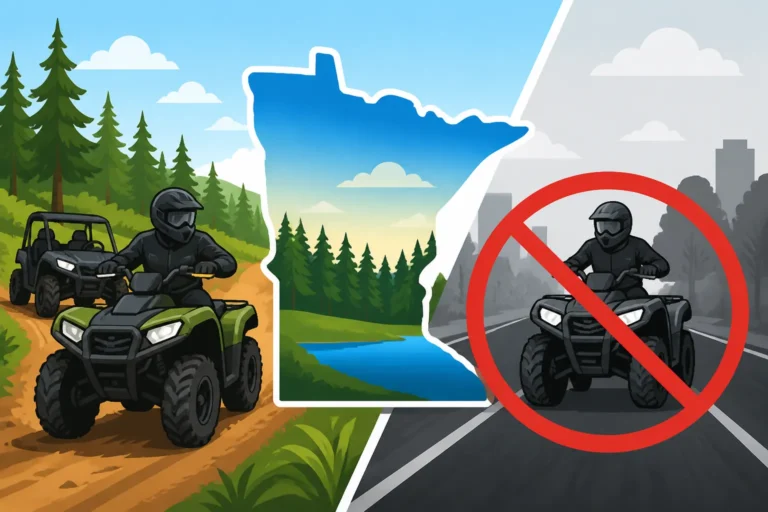
Here’s where things get a little more specific and, frankly, a bit of a relief for riders. Minnesota law generally prohibits ATVs and UTVs from operating on the maintained surface of a public roadway. You know, the actual blacktop or gravel road that cars drive on. However, the law often includes what's informally known as a "hazard exception" for certain structures. This exception is critical for safely navigating those ditch lines. It typically allows an ATV or UTV operator to briefly enter the roadway surface or shoulder, if necessary, to safely cross a bridge, culvert, or other impassable obstruction within the ditch. This isn't a carte blanche to cruise down the highway. It's a very specific, limited allowance to overcome a legitimate obstruction.
The key words here are "briefly" and "safely." This exception is not an invitation to ride parallel to traffic on the road for any extended period. It’s about getting across the culvert in the safest way possible, which might mean veering slightly out of the ditch line for a moment, then immediately returning to the ditch once the culvert has been cleared. This is especially important for wider machines, like many UTVs, or if the culvert entrance/exit is particularly steep or eroded. The law acknowledges that sometimes, staying strictly within the ditch could be more dangerous than a momentary, cautious venture onto the shoulder. Always exercise extreme caution, be highly visible, and yield to any approaching vehicular traffic when utilizing this exception. Disregarding these safety measures can lead to serious consequences, including [Minnesota Fines for Illegal Road Riding].
Legal Distinctions: Crossing vs. Riding On
This distinction is perhaps one of the most misunderstood aspects of ditch riding. Many riders confuse the act of "crossing" a culvert with "riding on" the road surface. Let me be clear: they are fundamentally different in the eyes of the law, and your interpretation can mean the difference between a smooth ride and a conversation with a conservation officer. [The Road Surface Minnesota Keeps Closed] is generally off-limits for ATVs and UTVs, with very few exceptions.
"Crossing" a culvert, as permitted by the hazard exception, means traversing the immediate area of the culvert to re-establish your path in the ditch on the other side. This might involve a very short, perpendicular movement across a sliver of the road shoulder or even just the very edge of the lane, if absolutely necessary for safety, before immediately dropping back into the ditch. It's a precise, minimal maneuver. "Riding on" the road surface, however, implies extended travel, using the road as your primary route, which is generally not allowed. This could be riding down the paved portion of the road for hundreds of feet or even a mile. That's a no-go. The intent of the law is to keep off-highway vehicles off the main flow of traffic, so if you find yourself cruising along the highway shoulder, you've likely overstepped the bounds of the culvert crossing exception. Always stay as far right as possible, be prepared to stop, and make your crossing as direct and quick as possible. This careful distinction protects both your safety and your legal standing.
Mastering the Art of Safely Navigating Culverts
So, you understand the rules. Great! But knowing the rules is only half the battle. The other half is mastering the practical techniques to ensure you cross culverts safely and efficiently. Just like anything else in ATV and UTV riding, there's an art to it, and it often involves a combination of good scouting, proper machine control, and a bit of foresight.
Pre-Ride Inspection and Scouting
Never approach a culvert blindly, especially if it's new to you or if conditions have recently changed. This isn't a race; it's about making smart, safe choices. The moment you spot a culvert ahead, it's time to slow down significantly. Consider it a mandatory slowdown zone. Your first step should always be a visual inspection. From a distance, try to gauge the following:
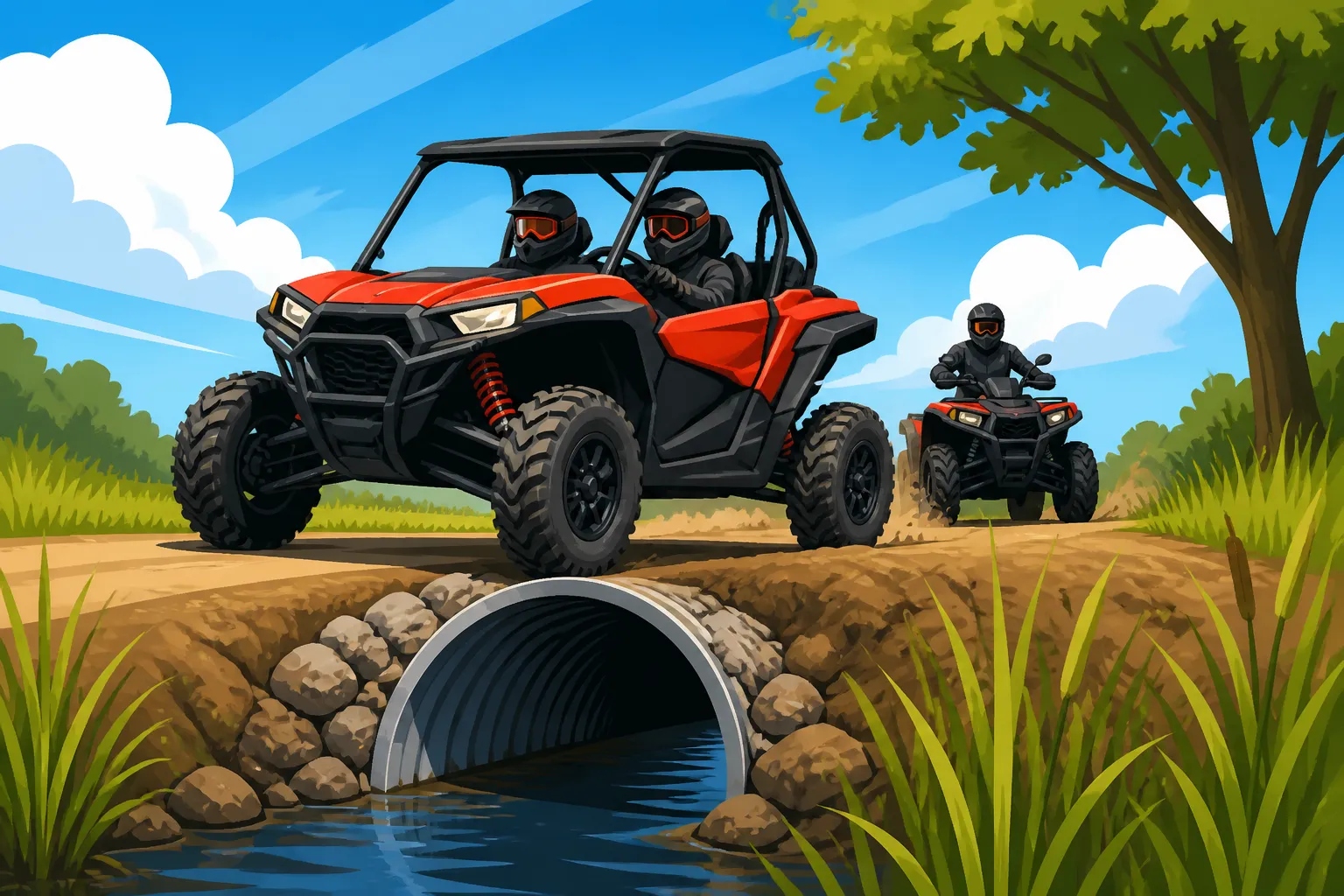
- Culvert Type: Is it a smooth concrete pipe, a corrugated metal tube, or even just a well-worn dip in the dirt? Each type presents different challenges.
- Depth and Width: How deep is the ditch on either side? Is the culvert short and steep, or a longer, more gradual crossing? This is critical for assessing your machine's ground clearance.
- Approach and Exit Angles: Are the banks leading into and out of the culvert gradual, or are they steep drop-offs? Steep angles can cause your machine to bottom out or even high-center.
- Obstacles and Debris: Look for rocks, downed branches, mud, standing water, or even ice, especially in shoulder seasons. A water-filled culvert can hide significant hazards. What looks like a shallow puddle might be a foot-deep trench hiding a submerged rock.
- Erosion: Has the culvert itself, or the dirt around it, eroded significantly? This can create unexpected holes or washouts.
If visibility is poor, or if the culvert looks particularly challenging, don't be afraid to stop your machine and walk up to it for a closer look. It might feel like it slows down the group, but believe me, a few extra minutes of scouting are far better than hours (or days) dealing with a broken machine or an injury. This is where a little caution goes a long way.
Approach and Execution Techniques
Once you've scouted the culvert and have a plan, it's time for the execution. The overarching principle here is slow and steady wins the race.
- Slow and Straight: Approach the culvert at a slow, controlled speed. Think walking pace, not cruising speed. Aim to cross as straight as possible, perpendicular to the culvert's length. This minimizes the risk of tipping sideways or getting caught in a rut.
- Body Position: Maintain a ready, athletic body position. For ATVs, stand up if it's a rougher crossing, or keep your weight centered and slightly forward, ready to shift. For UTVs, ensure all passengers have seatbelts on and hands/feet inside the vehicle, and the driver should maintain a firm grip on the wheel.
- Throttle Control: Use a steady, light throttle. Avoid sudden acceleration or deceleration, which can upset the machine's balance. You want just enough power to maintain momentum without feeling rushed or out of control. Let your machine's suspension and tires do their job.
- Eyes Up: Don't stare at your front fender. Look ahead to where you want to go. This helps you react to changes in terrain and keeps your path straight.
- Watch Your Clearance: Be mindful of your machine's ground clearance, especially with UTVs that have longer wheelbases. If the culvert has steep entry and exit points, you risk high-centering. Some riders add aftermarket parts like high-clearance A-arms or specific skid plates from companies like SuperATV to help with this, offering extra protection and peace of mind when encountering those tricky, rocky culverts. These products are designed to protect critical components underneath your machine, which can be invaluable when dealing with an unforgiving culvert edge.
- Exit Strategy: As you exit the culvert, gently roll onto the throttle to climb out of the ditch and re-establish your position. Once again, avoid abrupt movements.
Remember, practice makes perfect. The more you ride and encounter different types of culverts, the more intuitive these techniques will become. But even experienced riders will slow down and assess before charging into the unknown.
Machine Considerations for Culvert Navigation
Your machine itself plays a huge role in how easily and safely you can navigate culverts. Not all ATVs and UTVs are created equal, and understanding your vehicle's capabilities – and limitations – is essential.
- Ground Clearance: This is perhaps the most critical factor. A machine with higher ground clearance is less likely to high-center or scrape its underbelly on the culvert. Many utility UTVs, for example, are designed with decent clearance for farm work, which translates well to ditch riding. Aftermarket lift kits or larger tires can increase ground clearance, but always be aware of how these modifications affect stability.
- Wheelbase: Longer wheelbase machines (like most UTVs) are more prone to high-centering on steep culverts than shorter wheelbase ATVs. You'll need to be extra cautious with your approach angle to avoid getting stuck or damaging the frame.
- Suspension: A well-tuned suspension system can absorb the bumps and jolts of a culvert crossing, keeping your tires on the ground and improving control. If your suspension feels soft or worn, it might be time for an upgrade or service, especially if you regularly encounter challenging terrain. For those who frequently tackle rough terrain, investing in heavy-duty components from brands like SuperATV can make a noticeable difference in how your machine handles impacts and maintains stability.
- Tires: The right tires can provide better grip on muddy or rocky culvert approaches. Aggressive tread patterns can claw for traction where street-biased tires might slip, ensuring you maintain momentum through the crossing.
- Skid Plates: These are a must-have for any serious off-road or ditch rider. Even with good ground clearance, rocks and debris will scrape the underside of your machine. Robust skid plates protect vital components like your A-arms, differential, and engine from costly damage. Many riders opt for full-body skid plates from companies like SuperATV to ensure maximum protection against culvert edges and hidden obstacles. Think of them as cheap insurance for expensive parts.
Knowing your machine's specific attributes allows you to make more informed decisions when approaching a culvert. If you're on a low-slung sport quad, a deep, rocky culvert might require a much more cautious approach than if you were on a high-clearance utility UTV. Always ride within your machine's (and your own) capabilities.
Common Pitfalls and How to Avoid Them
Even with the best intentions and a solid understanding of the rules, culverts can still throw curveballs. It's often the unexpected or the overlooked details that lead to trouble. Being aware of these common pitfalls can help you anticipate problems and avoid them.
Misjudging Depth and Obstacles
This is probably the most frequent cause of culvert-related incidents. What looks like a shallow dip can be a deep trench, especially if it's filled with water or tall grass. Muddy culverts are notoriously deceptive, hiding rocks, rebar, or even submerged pipes that can catch a tire or damage your undercarriage.
Imagine a scenario: You're riding a familiar ditch line after a heavy rain. A culvert you've crossed a dozen times looks a little wetter than usual, but you figure it's fine. You hit it with too much speed, and suddenly, your front tires drop into a hidden rut created by rushing water, throwing your balance off. Or worse, your machine bottoms out hard on a submerged concrete block you couldn't see. The key here is never to assume. If you can't clearly see the bottom or determine the true depth, treat it as a significant unknown. [Blind Approaches on a Ditch Ride] are incredibly dangerous. If necessary, stop, get off your machine, and physically inspect the culvert. Use a stick to probe the depth if it's filled with water. It might seem overly cautious, but a few minutes of inspection are far better than a bent rim, a busted differential, or a trip to the emergency room. Always err on the side of caution, especially after significant weather changes.
Speed and Control Issues
Speed is the enemy of safe culvert crossing. Period. Approaching a culvert too fast dramatically reduces your reaction time, limits your ability to adjust for unexpected obstacles, and increases the likelihood of losing control. When you hit a significant dip or bump at speed, the forces exerted on your machine and body are magnified, potentially causing you to be thrown from an ATV or causing a UTV to buck violently.
Think about it: at 5 mph, you have time to see that hidden rock and steer around it or brace for impact. At 25 mph, that same rock becomes a launch ramp. Many riders, eager to keep their momentum or simply enjoying the thrill of the ride, underestimate the severity of a culvert. The result can be a jarring impact that damages suspension components, causes flat tires, or even throws the rider off. Losing control near a culvert, especially one close to a road, also increases the risk of veering into traffic, which is a terrifying prospect. Always reduce your speed to a crawl—a speed at which you feel completely in control and can react to anything—before entering a culvert. It's better to arrive safe and slightly delayed than not at all.
Group Riding Etiquette Around Culverts
Riding with a group is a fantastic experience, but it adds another layer of responsibility, especially when encountering hazards like culverts. Poor group etiquette around these features can lead to chain reactions and multiple incidents.
- Maintain Distance: Never tailgate another rider into or out of a culvert. Maintain a safe following distance so you have ample time to react if the rider in front of you gets stuck, falls, or encounters an unexpected obstacle. This is especially important if you're riding with newer riders or youth who might hesitate.
- Communicate Hazards: If you're the lead rider and encounter a tricky culvert, clearly communicate any specific hazards to those behind you. Hand signals, verbal warnings, or even stopping to brief the group can prevent others from making the same mistake.
- Wait and Watch: If someone in your group struggles with a culvert, wait until they have safely cleared it before you attempt to cross. Don't rush them or try to cross simultaneously. This allows you to offer assistance if needed and ensures everyone has a clear path.
- Youth Riders: When riding with youth or less experienced riders, culverts are prime teaching moments. Lead by example, demonstrating a cautious approach and proper technique. Consider having an adult spot them through particularly challenging culverts. Remember, [Minnesota Helmet Rules for Riders Under 18] are non-negotiable, and supervising youth is paramount.
Following good group riding etiquette around culverts ensures not only your safety but the safety and enjoyment of everyone on the ride. It’s a sign of a responsible and considerate rider.
Equipping Your Machine for Minnesota Ditch Riding
Beyond technique and legal understanding, preparing your machine with the right gear can significantly enhance safety and confidence when tackling those inevitable culvert crossings. It’s about being proactive and ready for whatever the ditch throws at you.
Essential Safety Gear for the Rider
Your personal safety gear is your first line of defense, no matter what terrain you're riding. This is non-negotiable, especially when navigating unpredictable ditch lines and culverts.
- Helmet: A DOT-approved helmet is absolutely essential. It protects your most vital asset. While Minnesota has specific [Minnesota Helmet Rules for Riders Under 18], every rider, regardless of age, should wear a helmet. A hard hit on a culvert can happen to anyone, and a helmet can be the difference between a minor headache and a life-altering injury.
- Eye Protection: Goggles or a full-face helmet visor protect your eyes from dust, mud, debris, and low-hanging branches. Even a small piece of gravel kicked up from a culvert can cause serious eye damage.
- Gloves: Sturdy gloves protect your hands from blisters, impacts, and provide a better grip on the handlebars. They're especially important if you need to use a winch or handle recovery gear.
- Sturdy Footwear: Over-the-ankle boots protect your feet and ankles from impacts, provide stability, and keep your feet on the pegs or floorboards. Open-toed shoes or sneakers simply won't cut it when dealing with uneven terrain.
- Long Pants and Long-Sleeved Shirt/Jacket: These provide a layer of protection against scrapes, bruises, and branches.
Dressing for the slide, not just the ride, is a wise mantra. You never know when you might have an unexpected dismount or encounter an unseen obstacle within a culvert.
Machine Accessories for Enhanced Culvert Handling
While personal gear protects you, certain machine accessories can make your ATV or UTV more capable and robust for ditch riding and culvert crossings.
- Skid Plates: As mentioned earlier, these are crucial. Heavy-duty aluminum or UHMW (Ultra-High Molecular Weight plastic) skid plates protect your A-arms, frame, differentials, and engine from impacts. Brands like SuperATV offer comprehensive skid plate systems designed to cover critical areas, giving you peace of mind when scraping over a particularly nasty culvert edge. These aren't just for extreme rock crawling; they're vital for basic protection in unpredictable ditch environments.
- Winch: A winch isn't just for getting unstuck from deep mud. It can be invaluable if you high-center on a culvert or find yourself in a tricky position. Paired with a tree saver strap and D-shackles, a winch can self-recover your machine or help a buddy pull you free. You might not use it every ride, but when you need it, you really need it.
- Upgraded Suspension Components: While a full race suspension might be overkill for ditch riding, upgrading worn shocks or springs, or even adding heavier-duty springs, can improve your machine's ability to absorb impacts and maintain stability. This is particularly noticeable when dropping into or climbing out of steep culverts.
- Higher-Clearance A-arms: For some UTVs and ATVs, aftermarket high-clearance A-arms from manufacturers like SuperATV can provide an extra inch or two of crucial ground clearance under your control arms, further reducing the risk of snagging on rocks or culvert edges. This relatively simple modification can make a surprising difference in preventing costly damage.
Equipping your machine thoughtfully means you're not just ready for the fun parts of the ride, but also for the inevitable challenges that ditch lines and their culverts present.
Post-Culvert Check-Up
Don't just blast off after clearing a culvert. Especially after a particularly rough crossing, it's a good habit to perform a quick, informal check-up on your machine. This can save you from bigger problems down the line.
- Tires: Give your tires a quick visual scan for any new cuts, punctures, or signs of low pressure. A sharp rock hidden in a culvert could inflict a slow leak.
- Suspension: Listen for any new noises or feel for any unusual looseness in the steering or suspension components. Look for bent tie rods or damaged A-arms, particularly if you heard a loud thud during the crossing.
- Undercarriage: If safe to do so, quickly glance under your machine. Look for new scrapes on your skid plates (that's what they're for!), but also check for any fluid leaks or anything that looks obviously bent or broken. A quick stop can allow you to spot a minor issue before it becomes a major breakdown. This is even more important if you don't have robust skid plates, as critical components are more exposed.
A little attention to detail after navigating a challenging culvert can help ensure your machine stays in top condition and that your Minnesota ditch riding adventures remain safe and fun for many miles to come.
| Culvert Type | Common Characteristics | Riding Considerations | Potential Hazards |
|---|---|---|---|
| Concrete Pipe | Large diameter, sturdy, often smooth interior | Generally stable; focus on approach/exit angles | Steep edges, hidden rebar, erosion around ends |
| Corrugated Metal | Ribbed, lighter, can be flexible | Good traction if dry; can be slippery when wet/muddy | Sharp edges if damaged, prone to crushing, hidden holes |
| Box Culvert | Rectangular opening, often concrete | Flat bottom (good), but can have very steep walls | Extreme high-centering risk, deep water accumulation |
| Stone/Rock-Lined | Natural, rough, visually integrated | Excellent traction, but very uneven and rocky | Tire damage, suspension stress, sharp edges |
| Dirt/Grassed Over | Appears as a dip, culvert hidden underground | Often smoother, but can hide significant erosion/ruts | Misjudging depth, hidden water, soft mud traps |
| Water-Filled | Any type, partially or fully submerged | Extremely cautious, depth unknown, reduce speed to crawl | Hidden rocks, holes, strong current, engine hydrolock |
Disclaimer
This article is for general informational purposes only and does not constitute professional advice. Laws, prices and regulations vary by location and change over time. Consult a qualified professional for guidance on your specific situation.