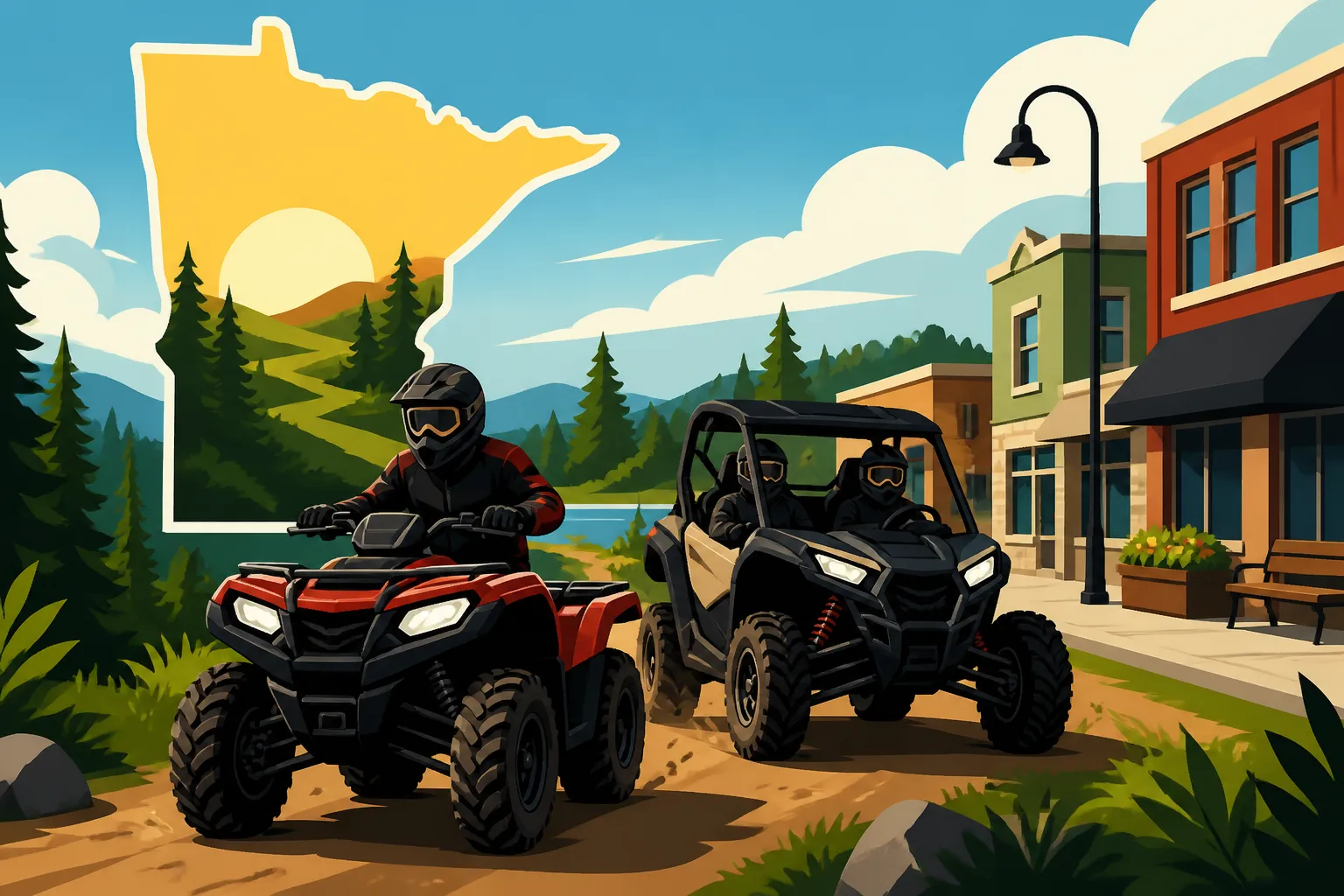
Riding Into a Minnesota Trail Town
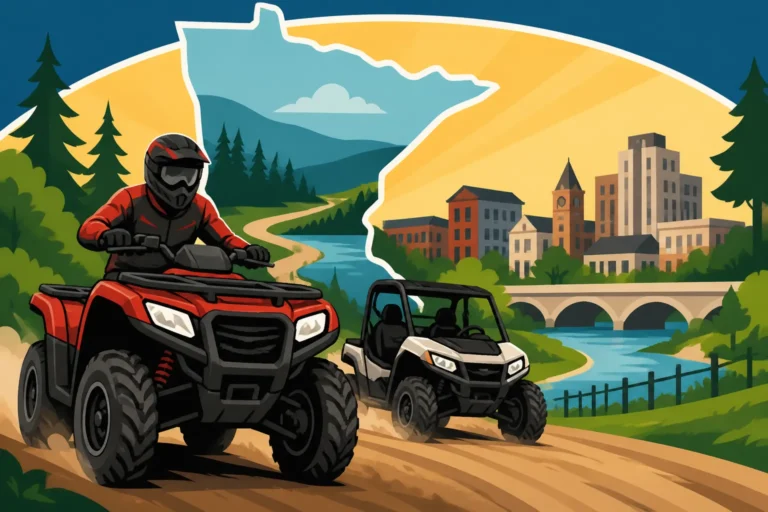
There’s nothing quite like wrapping up a fantastic day on the trails, maybe a little dusty but full of incredible memories, and wanting to roll right into a nearby town for a burger, some gas, or just to soak up the local atmosphere. But then that familiar knot of anxiety tightens: Can I even ride my ATV or UTV on these streets? What are the rules? Am I going to get a ticket? It’s a completely valid worry, and it stops many riders from truly enjoying the "trail town" experience. This guide is here to clear up that confusion, offering a realistic look at how to safely and legally navigate Minnesota's trail-friendly communities.
Understanding Minnesota's ATV/UTV Road Rules for Town Access
Before you even think about entering a charming Minnesota trail town, it's absolutely crucial to grasp the overarching state laws that govern ATV and UTV use on public roads. These rules are the foundation, and towns then build their specific ordinances on top of them. Skipping this step is like trying to build a cabin without a foundation – it’s just not going to stand up to scrutiny.
The "Why" Behind Town Restrictions
It can feel frustrating when you're out on the trails, enjoying the freedom of the open woods, only to encounter strict rules as soon as you near civilization. But there's a good reason for these regulations. Towns are often trying to balance the needs of local residents, businesses, and motorized recreation. Concerns about noise, especially in quiet residential areas, are often at the top of the list. No one wants their peaceful afternoon interrupted by a roaring engine, even if it's just passing through.
Beyond noise, there are significant safety considerations. ATVs and UTVs are designed primarily for off-road use, and while many modern machines are quite capable on pavement, they handle differently than cars. Integrating them safely into street traffic, especially in areas with pedestrians, bicycles, and children, requires careful planning and enforcement. Traffic congestion, dust, and potential damage to roads are also factors that lead towns to set specific boundaries for riders.
Ultimately, these restrictions aren't meant to punish riders; they're designed to help everyone coexist harmoniously. Understanding the "why" can sometimes make the "what" a little easier to swallow, and it encourages riders to be mindful ambassadors for the sport.
General Rules for Road-Legal Machines
Even if a town welcomes ATVs, your machine still needs to meet certain state requirements to be considered "road legal" in any capacity, even for crossing or designated routes. Think of it as passing a basic physical before you can participate in a sport. First and foremost, your ATV or UTV needs to be properly registered with the Minnesota DNR. This isn't just a suggestion; it's a legal mandate if you plan to ride on any public land, including designated road shoulders or routes within towns. You'll need to display your registration sticker correctly, usually on the front and rear of the machine, to make it easily visible. For detailed information on this, check out [Registering an ATV in Minnesota].
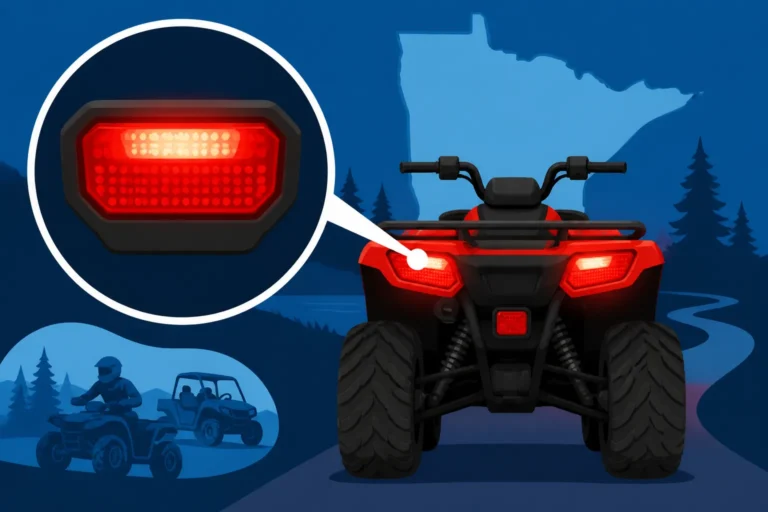
Beyond registration, your machine must be equipped with essential safety features. This typically includes working headlights and taillights, which are absolutely critical for visibility, especially during dusk or dawn, or on overcast days. A functional brake light is also non-negotiable, as it signals your deceleration to any traffic behind you. Many towns will also expect you to have a horn or other audible warning device, as well as mirrors to allow you to see what's behind you without constantly turning your head. While many aftermarket parts are available, like robust mirrors from SuperATV, it’s vital to ensure they meet any state or local minimum size or placement requirements.
The Key Difference: Ditch Riding vs. Designated Routes
In many rural parts of Minnesota, especially outside of city limits, riders can often utilize the shoulder or ditch lines of public roads. This is a common practice for connecting trails or accessing private land. However, this changes drastically as soon as you enter a developed area. The general rule of thumb is: ditch riding usually stops at the city limits. This is where the concept of "designated routes" becomes paramount.
A designated route is a specific street or section of a street that a city council or township board has officially opened for ATV or UTV use. These routes are typically marked with specific signage, often a green sign with an ATV symbol. You absolutely cannot assume that because you can ride the ditch outside of town, you can simply continue that practice within the town itself. Doing so is a quick way to earn a citation for illegal operation. Instead, you need to look for those official signs directing you onto specific roadways, or indicating where an ATV route begins or ends. For more on general road rules, you might find [Minnesota Road Rules Riders Get Wrong] helpful.
Navigating Specific Trail Town Ordinances
Once you understand the basic state framework, it’s time to zero in on how individual towns handle ATV and UTV access. Each community has the power to set its own specific rules, which means what’s perfectly fine in one town might be strictly prohibited just a few miles down the road. It’s a bit like a patchwork quilt of regulations, and knowing how to read that quilt is key to a hassle-free visit.
How Towns Designate ATV Routes
When a Minnesota town decides to open up some of its streets to ATVs and UTVs, they don't just put up a general "Welcome Riders!" sign and call it a day. Instead, they go through a formal process to designate specific routes. This usually involves local ordinances being passed and then clear signage being installed. These signs are your best friends as a rider, typically green with a white ATV or UTV symbol, sometimes with arrows indicating the direction of travel or specifying permitted hours. You might also see signs indicating "Shared Use" or "ATV Route Ends."
It's not uncommon for these routes to be carefully chosen to avoid the busiest main streets, bypass densely populated residential areas, or specifically connect trailheads to local businesses like gas stations, restaurants, or lodging. Many towns publish maps, either online or at local businesses, that clearly outline these approved routes. Before you even head out, taking a few minutes to check the town's website or call their city hall for specific route information can save you a lot of grief. Don't rely solely on what you think might be allowed; always look for official confirmation.
Identifying ATV-Friendly Communities
How do you know if a town is welcoming to ATV and UTV riders? Sometimes it's obvious, with large signs on the outskirts proclaiming them a "Trail Town" or "OHV Friendly Community." Other times, it requires a little more detective work. Look for community websites that specifically promote ATV tourism, or notice if local businesses have designated ATV parking, offer trail maps, or prominently display "Welcome Riders" banners. Communities like Appleton in western Minnesota are well-known for their efforts to integrate ATV access, serving as great examples of what to look for. For ideas on where to go, check out [Appleton and Other ATV-Friendly Minnesota Cities].
Beyond the official signage, a quick search online for the town's name plus "ATV ordinance" or "OHV routes" can often reveal the specific rules. Many local chambers of commerce or tourism boards also have excellent resources. Keep an eye out for local ATV clubs in the area, as they are usually the best source of up-to-date, insider information on local riding opportunities and rules. These clubs often work directly with towns to establish and maintain these crucial connections.
Common Restrictions Within Town Limits
Even in the most ATV-friendly towns, you'll almost certainly encounter specific restrictions designed to maintain order and minimize impact. Speed limits are a big one. While you might be used to higher speeds on open trails, within town limits, you'll need to adhere to posted speed limits, which are often 25 mph or even lower in certain zones. Going slow isn't just about avoiding a ticket; it's about safety for everyone sharing the road.
Time of day restrictions are also common. Some towns might prohibit ATV use on designated routes during late-night or early morning hours to mitigate noise complaints. Residential areas, in particular, often have stricter rules or are entirely off-limits. You might also find that certain types of machines, like those with very loud aftermarket exhausts, are unwelcome or even illegal within town limits, regardless of the route. Remember, a machine with a SuperATV exhaust might sound great on the trail, but it could be too much for a quiet town street. Always check for specific noise ordinances if you're concerned.
Another key restriction can involve crossing major highways or state routes. While some towns might allow you to cross a county road, traversing a busy state highway often has different, more stringent rules or might even be prohibited. Always be aware of the type of road you're on, and refer to specific guidance like [Minnesota Rules on County Roads] for more insights.
Essential Gear and Machine Requirements for Town Riding
Just like you wouldn't head out on the trails without your helmet and a basic toolkit, there are specific items you need to ensure your machine is ready for urban navigation. It's not just about legal compliance; it's about being visible, audible, and respectful of other road users. Think of it as suiting up for a different kind of adventure, one that requires a bit more polish than a muddy trail run.
What Makes Your Machine "Town Ready"
Beyond the basic registration, making your ATV or UTV "town ready" means equipping it with features that make it safer and more visible in a street environment. Good lighting is paramount. Your machine must have working headlights and taillights. Many trails machines might have basic lights that are perfectly fine for off-road, but for street use, you often need brighter, more robust options to ensure you're seen by drivers of cars and trucks. Sometimes, auxiliary lights, like those offered by SuperATV, can provide that extra visibility without blinding oncoming traffic if aimed correctly.
A functional brake light is non-negotiable; it tells drivers behind you when you're slowing down, preventing potential rear-end collisions. Turn signals, while not always required by state law for ATVs, are highly recommended and sometimes mandated by specific town ordinances for any road use. They are invaluable for clearly communicating your intentions to other drivers. A horn or other audible warning device is also a must-have, allowing you to alert pedestrians or other vehicles to your presence. Lastly, ensure you have an approved spark arrestor on your exhaust. This is critical for preventing wildfires on trails but also helps keep exhaust noise within acceptable limits for residential areas.
Personal Gear You Need
While your machine needs to be equipped, you as the rider also have responsibilities when it comes to personal protective gear. Minnesota has specific helmet laws that apply to ATV and UTV riders, particularly for younger individuals. If you are under 18 years old, you are required to wear a DOT-approved helmet whenever you operate an ATV or UTV on public lands, which would include designated town routes. Even if you're over 18 and not legally required to wear a helmet, it's always a smart choice, especially when sharing roads with cars. Accidents can happen anywhere, and pavement offers little forgiveness. Find more information on this at [Minnesota Helmet Rules for Riders Under 18].
Eye protection is another key element. Whether it's goggles or a face shield on your helmet, protecting your eyes from dust, debris, or even just wind is crucial for maintaining clear vision and safe operation. Sturdy boots, long pants, and a long-sleeved shirt are always recommended riding gear, offering protection even in minor incidents. While you might not be tackling extreme terrain within town, the potential for a fall or collision is still present, and protecting your skin is always a good idea.
Paperwork to Keep Handy
Riding into a Minnesota trail town means you need to be prepared for the possibility of interacting with law enforcement, whether it's a conservation officer or a local police deputy. Having your paperwork in order and easily accessible is paramount. First, you'll need your ATV or UTV registration. This should always be with you when operating your machine on public lands or designated routes. Sometimes, a copy is sufficient, but having the original is always best.
Next, if you were born after July 1, 1987, you are required to have an ATV safety certificate to operate on public lands in Minnesota. This certificate proves you've completed the necessary safety training. Keep a copy of this with you, as officers will ask for it. This applies whether you're on a trail or a designated town street. For full details, see [Minnesota ATV Safety Training Requirements].
Finally, if you're riding on a Grant-in-Aid trail system, which many trail town routes connect to, you'll need your Minnesota ATV trail pass, unless your machine is already registered in Minnesota. Non-residents absolutely need this pass. Make sure it's current and that you can present proof if asked. Officers often conduct spot checks, especially in popular riding areas. [What a Minnesota Conservation Officer Asks For] provides more insight into what they look for.
Etiquette and Safety When Riding Through Town
Riding through a trail town isn't just about following the letter of the law; it's also about upholding the spirit of responsible recreation. Our actions as ATV and UTV riders reflect on the entire community of enthusiasts. Being a good guest ensures that these towns remain welcoming and that trail access isn't jeopardized for future riders. This means being extra mindful of your behavior and surroundings.
Being a Good Ambassador for the Sport
When you enter a trail town, you’re not just an individual rider; you're representing the entire ATV and UTV community. This means prioritizing courtesy and respect. Keep your speed well below the posted limits, even if you feel like you could go faster. This reduces noise, dust, and the perceived danger to pedestrians and other drivers. Drive predictably, use hand signals or turn signals, and maintain a safe distance from other vehicles.
Noise is perhaps the biggest complaint from town residents. While some aftermarket exhausts sound great on the trail, they can be jarring in a residential neighborhood. Be mindful of your throttle input, especially when accelerating from a stop or passing homes. Avoid unnecessary revving. If you have a particularly loud machine, consider routes that minimize residential exposure or even avoid towns altogether during quiet hours. Remember, positive interactions with townsfolk are what keep these routes open for everyone.
Dust can also be an issue, particularly on unpaved town roads or when pulling off onto gravel shoulders. Reduce your speed, especially near homes, businesses, or pedestrians, to minimize kicked-up dust. A little common sense and a lot of courtesy go a long way in ensuring towns continue to embrace trail riders.
Parking Your Machine Responsibly
Just like you wouldn't park your car in the middle of a sidewalk, responsible parking for your ATV or UTV is critical in a trail town. Look for designated ATV/UTV parking areas, which many progressive towns provide, often near trailheads, restaurants, or fuel stations. If no specific parking is designated, treat your machine like any other vehicle: park in a legal, marked parking spot, parallel to the curb, or in a parking lot.
Never block sidewalks, store entrances, fire hydrants, or driveways. Be mindful of the space your machine takes up. If you're riding a larger side-by-side, ensure it fits entirely within a standard parking space. Avoid parking on lawns or unpaved areas unless explicitly permitted. Leaving your machine haphazardly parked not only creates an eyesore but can also impede traffic flow or pedestrian access, leading to frustration from locals and potentially a ticket. Consider the advice in [Parking an ATV at a Busy Trailhead] and adapt it for town settings.
Fueling Up and Grabbing a Bite
One of the great joys of a trail town is being able to ride directly to a local gas station or diner. When fueling up, turn off your engine and follow all standard gas station safety procedures. Be aware of other vehicles and pedestrians. If you're wearing muddy gear, try to minimize tracking dirt into the convenience store or restaurant. Some businesses even have designated outdoor seating areas for riders, or request that you remove excessively dirty gear before entering.
When grabbing food, remember you’re often entering establishments used by the general public. While most small-town eateries are used to seeing dusty riders, a little effort to wipe off excess dirt or remove helmets before entering can make a big difference. Be patient with staff, especially during busy times, and be ready to answer curious questions about your machine or your ride. These interactions are opportunities to showcase the friendly and responsible side of the ATV and UTV community. For practical tips, see [Fueling an ATV in a Minnesota Small Town].
What to Expect from Enforcement in Trail Towns
It’s an unfortunate reality that sometimes, despite your best intentions, you might have an encounter with law enforcement. Knowing who enforces the rules and what they’re looking for can help you be prepared and reduce any anxiety. Understanding the penalties for common violations can also serve as a strong deterrent to bending the rules.
Conservation Officers and Local Police
In Minnesota, both Department of Natural Resources (DNR) Conservation Officers and local law enforcement (county sheriffs, city police) have the authority to enforce ATV and UTV regulations. Conservation Officers primarily focus on state laws, trail rules, and public land use, but their jurisdiction extends to public roads, especially if those roads are designated ATV routes or connect to trails. They are particularly adept at checking registration, trail passes, and safety certificates.
Local police and sheriff's deputies will enforce both state laws and any specific city or county ordinances. This means they'll be looking for things like speed limits, noise violations, illegal parking, or riding on streets not designated for ATVs. You might find that local police in a small trail town are very familiar with ATV riders and their needs, but they are also very serious about enforcing their specific local ordinances. It's always a good idea to comply promptly and respectfully with any officer's request.
Common Violations and Their Penalties
The penalties for ATV and UTV violations in Minnesota can range from warnings to significant fines, and even the loss of riding privileges. One of the most common violations in towns is riding on streets not designated as ATV routes. This is akin to riding your personal vehicle on a sidewalk and can carry a hefty fine. Speeding within town limits is another frequent infraction, with penalties similar to those for car drivers, sometimes even more severe if deemed reckless. [Fines for Illegal Road Riding in Minnesota] has more details.
Other common violations include operating an unregistered machine, which can lead to impoundment and fines, or not having the required safety certificate for riders born after July 1987. Noise violations, often stemming from aftermarket exhausts that exceed legal decibel limits, can also result in citations. Doubling up on a single-rider ATV, or carrying passengers in a UTV without proper restraints, are also serious safety violations that officers look for. Always remember that these penalties are in place for public safety and to maintain the integrity of the trail systems and town access. Ignoring the rules ultimately harms the entire riding community.
| Violation Category | Common Examples | Potential Consequences (General) |
|---|---|---|
| Operational | Riding off designated routes | Fines, potential impoundment, loss of riding privileges |
| Exceeding speed limits in town | Fines, points on driving record (if applicable), reckless driving charges | |
| Improper operation (e.g., reckless) | Significant fines, mandatory safety courses, potential vehicle seizure | |
| Machine Related | Unregistered machine | Fines, impoundment, inability to ride legally |
| Missing required safety equipment | Fines, requirement to fix/add equipment before further operation | |
| Excessive noise (aftermarket exhaust) | Fines, requirement to modify exhaust, potential for community backlash leading to route closures | |
| Rider Related | No valid safety certificate (if required) | Fines, mandatory training completion |
| Underage helmet violation | Fines for rider and/or supervising adult | |
| Alcohol/drug impairment | Significant fines, license suspension, criminal charges, vehicle impoundment |
Exploring Minnesota's incredible trail system often leads to experiencing charming small towns that rely on tourism. By understanding the rules, being respectful, and riding responsibly, you ensure that these communities continue to welcome ATV and UTV enthusiasts for years to come. Enjoy those burgers, fill up that tank, and always ride smart.
Disclaimer
This article is for general informational purposes only and does not constitute professional advice. Laws, prices and regulations vary by location and change over time. Consult a qualified professional for guidance on your specific situation.