Minnesota Helmet Standards and Who Must Wear One
Navigating the world of ATVs and UTVs in Minnesota can sometimes feel like trying to untangle a fishing line after a big catch – you know there are rules, but figuring out exactly what applies to you, especially when it comes to safety gear like helmets, can be frustratingly complex. It’s not just about what feels right; it’s about what the law demands to keep you and your fellow riders safe. This guide aims to cut through the confusion surrounding Minnesota's helmet standards, helping you understand precisely who needs to wear one, what kind of helmet is approved, and why these rules are in place.
The Core of Minnesota's Helmet Law: Who It Actually Applies To
When you hit the trails or even just cruise your property in Minnesota, you're not just riding for fun; you're also riding under the watchful eye of state regulations, especially concerning safety. The helmet law is one of those critical pieces of legislation designed to protect riders from serious injury. It's often misunderstood, with many assuming it's an across-the-board requirement, but in Minnesota, the rules are quite specific about who must wear a helmet.
The Under-18 Rule: Non-Negotiable Protection
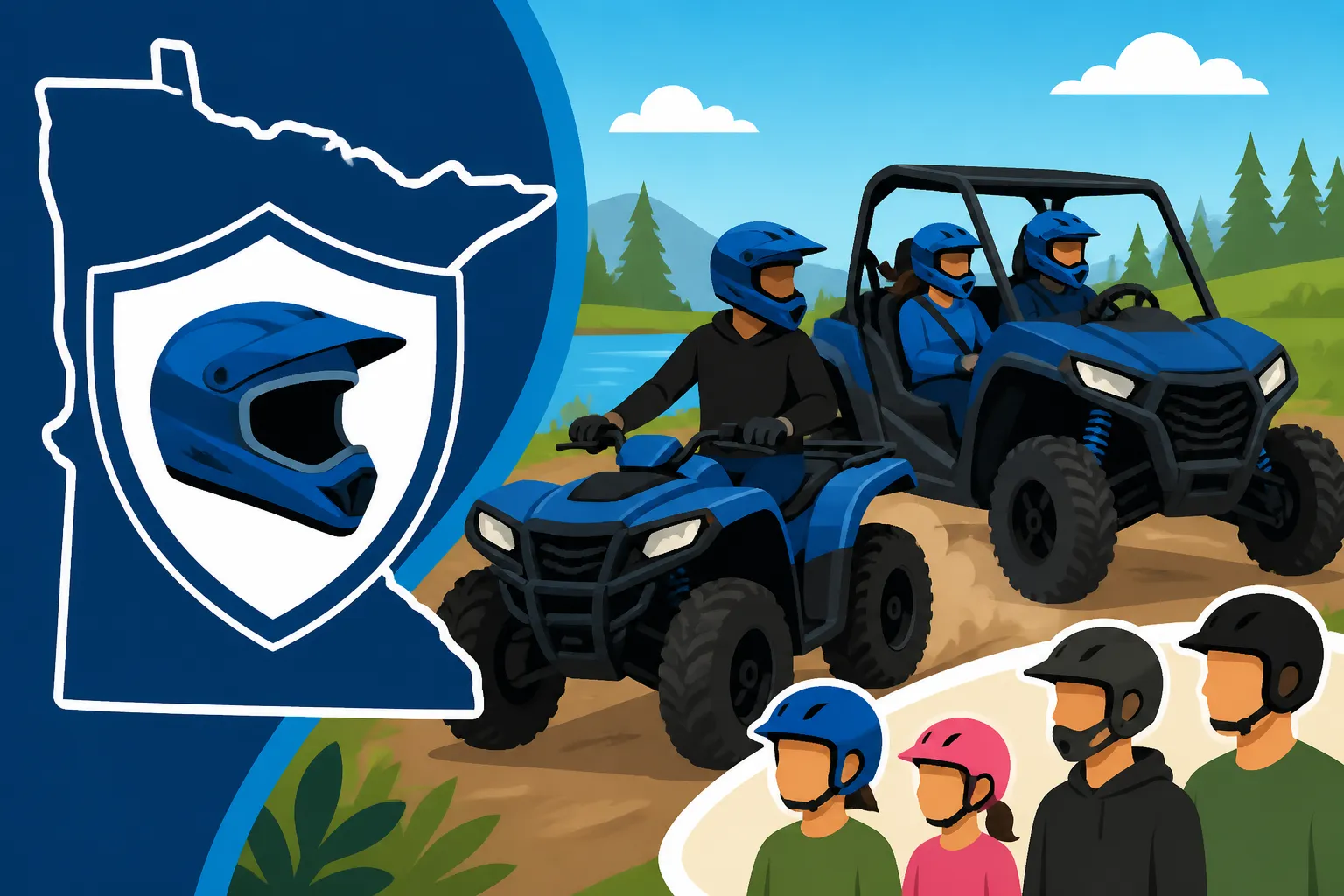
Let's start with the most straightforward rule: if you are under the age of 18, wearing an approved helmet is not optional; it's a legal mandate when operating or riding as a passenger on an ATV or UTV in Minnesota. This isn't just a suggestion; it's a hard and fast rule designed to protect our youngest and most vulnerable riders. The thinking here is clear: younger riders, by virtue of their age and developing skills, may be at higher risk of accidents, and the consequences of a head injury can be devastating. This applies whether they're tearing up a designated trail, riding on private land that's open to the public, or even just crossing a roadway. There’s no wiggle room here – the law is unequivocal. Parents and guardians bear a significant responsibility to ensure their minors comply, not only for legal reasons but, more importantly, for their children’s safety. Failing to adhere to this rule can lead to citations and penalties, which nobody wants when they're out trying to enjoy a beautiful Minnesota day. You can learn more about [Minnesota Helmet Rules for Riders Under 18].
When we talk about "operating" an ATV or UTV, that includes everyone from a 12-year-old on their first youth machine to a 17-year-old confidently navigating challenging terrain. Even if they're on private land, if that land is not exclusively their own, or if it's accessible to the public, the helmet rule for minors still holds. It’s a blanket protection measure. For a parent letting their child learn to ride, having the right helmet and ensuring it’s worn correctly is just as important as teaching them how to handle the throttle and brakes. This legal requirement underscores the serious risks associated with off-highway vehicle operation, highlighting the need for consistent safety practices from a young age.
Exceptions and When They Don't Apply (Think Road Use)
Now, here's where some of the nuance comes in. While the under-18 rule is absolute, for adult riders (18 and over), the requirement for helmet use isn't as universal. Generally, adults operating or riding as passengers on ATVs or UTVs in Minnesota are not legally required to wear a helmet when riding on public trails or private land. This often comes as a surprise to visitors from states with more stringent helmet laws. However, this general exception for adults comes with significant caveats, especially when you bring road use into the picture. Certain situations, particularly those involving public roadways, can trigger different requirements.
For example, while adults might not need a helmet on a designated ATV trail, if they are crossing a public road or utilizing a road ditch as a legal riding area where permitted, the helmet rules can shift. In some specific scenarios, typically tied to speed limits, vehicle type, or specific municipal ordinances, even adults might find themselves needing a helmet. It's crucial to distinguish between designated off-road trails and any kind of on-road operation. For instance, if an ATV or UTV is operated on a public road or right-of-way, particularly if it requires a driver's license for that operation, the state's motor vehicle helmet laws might apply, or specific local ordinances could supersede the general ATV rule. This is why understanding [Driver's License Rules for Minnesota Road Riding] is so important, as it often correlates with other safety requirements. While the general rule gives adults a choice, personal safety and local regulations should always guide your decision. Many veteran riders, even those exempt by law, choose to wear helmets regardless, recognizing the inherent risks of off-road riding. The simple truth is that accidents can happen to anyone, at any age, and a helmet significantly reduces the risk of severe head injury.
Understanding Minnesota's Approved Helmet Standards
It’s not enough to just throw on any helmet; it has to be a helmet that meets certain safety standards. Just like you wouldn't trust a toy hard hat to protect you on a construction site, you shouldn't trust a non-certified helmet on the trails. Minnesota, like most states, has specific criteria for what constitutes an "approved" helmet, ensuring that the gear you choose actually offers the protection it's meant to.
The DOT Stamp: Your First Line of Defense
When you're shopping for an ATV or UTV helmet, the first thing you should always look for is the "DOT" certification sticker. This isn't just a fancy label; it signifies that the helmet meets the safety standards set by the U.S. Department of Transportation. The DOT FMVSS No. 218 standard is the gold standard for motorcycle and off-road vehicle helmets, meaning the helmet has been tested to withstand impacts, penetration, and retention system strength. It's designed to ensure a certain level of protection in a crash scenario. For riders under 18 in Minnesota, a DOT-approved helmet is a non-negotiable legal requirement. You simply cannot ride without one if you're a minor on public or publicly accessible land. This certification provides peace of mind that the helmet is built to offer legitimate protection.
When you're out buying a helmet, don't just assume a helmet is "safe" because it looks robust. Always physically check for that DOT sticker, usually found on the back of the helmet. This visual cue is what a conservation officer or law enforcement official will look for if they ever need to verify compliance. Many popular helmet brands available through retailers like SuperATV will carry this certification, but it's always the rider's responsibility to confirm. Purchasing a helmet with the DOT stamp ensures you're not only meeting the legal requirement for minors but also investing in a piece of gear that has been rigorously tested for effectiveness. A properly fitting DOT-certified helmet can truly be a lifesaver, absorbing and distributing impact forces that would otherwise directly affect your head. For further details on what to look for, check out [DOT Helmet Ratings Minnesota Accepts].
Beyond DOT: What Other Certifications Mean (or Don't)
While DOT certification is the legal baseline in Minnesota, you might encounter other helmet certifications like Snell, ECE, or ASTM. These certifications often indicate even higher levels of safety testing, going above and beyond the minimum DOT requirements. For example, a Snell-certified helmet typically undergoes more rigorous impact testing, often involving multiple impacts in the same spot, and more stringent penetration tests. ECE (Economic Commission for Europe) is a widely recognized international standard, and helmets meeting this often offer excellent protection. ASTM (American Society for Testing and Materials) also sets standards for various types of helmets, including those for bicycling and some powersports.
For an adult rider in Minnesota who chooses to wear a helmet (which is a very wise choice, regardless of legal requirements), selecting a helmet with a Snell or ECE certification can provide an added layer of protection and confidence. These certifications aren't legally required in Minnesota for ATV/UTV use, but they represent a commitment to advanced safety design and materials. It's like buying a heavy-duty winch from SuperATV for those tricky situations – you might not need it for every ride, but when you do, you're glad you have the extra capability. While a helmet with one of these additional certifications will likely be more expensive, the peace of mind and enhanced protection it offers is often well worth the investment. Always remember that regardless of the certification, the helmet must fit properly and be in good condition to provide optimal protection.
Practical Considerations for Helmet Use and Safety
Beyond the letter of the law, there are many practical reasons why helmet use is a smart move for all riders, regardless of age or legal requirement. Off-road riding inherently carries risks, and a helmet is one of the most effective pieces of personal protective equipment you can invest in. Thinking about how a helmet integrates into your overall riding strategy is key to staying safe and comfortable on the trails.
Why Even Adults Should Consider a Helmet
Even though Minnesota law doesn't mandate helmets for adults (18 and over) in most ATV/UTV riding scenarios, the simple truth is that serious accidents can happen to anyone. A sudden loss of traction, an unexpected obstacle, or even a moment of inattention can lead to a fall or rollover. The consequences of a head injury can range from concussions to permanent brain damage, affecting not just your ability to ride, but your entire quality of life. For this reason, many experienced adult riders in Minnesota choose to wear a helmet every time they hit the trails. It's a personal choice, but one that comes with significant benefits.
Consider the environment you're riding in: often uneven terrain, sometimes with trees, rocks, or other hard surfaces nearby. The forces involved in an ATV or UTV incident can be substantial, and a helmet is specifically designed to absorb and dissipate these energies, protecting your brain. Think about what your riding means to you and your family. Is the freedom of not wearing a helmet worth the potential risk of a life-altering injury? For many, the answer is a resounding "no." It's similar to how you wouldn't skimp on a good set of tires from SuperATV for traction and control; you wouldn't want to skimp on protecting your most vital organ. Embracing a helmet as part of your standard riding gear, much like you would protective clothing or boots, is a sign of a responsible and safety-conscious rider. This mindful approach to safety is a core tenet of our riding community. For further consideration, explore [Minnesota Helmet Law for Riders Over 18].
Finding the Right Fit and Style
A helmet, no matter how highly rated, is useless if it doesn't fit correctly. A helmet that's too loose can shift during an impact, compromising its protective ability, while one that's too tight can be uncomfortable and distracting. The goal is a snug fit that doesn't cause pain or pressure points. When trying on a helmet, it should sit level on your head, cover your forehead, and not move when you shake your head gently from side to side or up and down. You should feel pressure around your head, but no painful squeezing. Your cheeks should feel firm pressure from the cheek pads, and if you can stick more than two fingers between your chin and the chin bar, it's likely too big.
Beyond fit, there's also the question of style and comfort, especially crucial for those long days on the trail. Many riders opt for full-face helmets, which offer the most comprehensive protection for the head, face, and chin. Off-road specific helmets often feature a larger eyeport to accommodate goggles, a visor to block sun and roost, and enhanced ventilation to keep you cool. Consider the climate you'll be riding in; some helmets are designed with better airflow for hot summer days, while others offer more insulation for cooler weather. Brands like SuperATV and others offer a wide range of helmet styles and sizes, so taking the time to try different ones on and ensure a proper fit is paramount. Remember, comfort contributes to focus, and a comfortable rider is often a safer rider. Don't forget [Eye Protection on a Minnesota Ride] is also critical and should pair well with your chosen helmet.
Here's a quick guide to understanding Minnesota's helmet requirements:
| Rider Age Category | Riding Location | Helmet Required? | Notes |
|---|---|---|---|
| Under 18 | Public Land | Yes | Non-negotiable, DOT-approved helmet. |
| Under 18 | Private Land* | Yes | If private land is open to public access or used by non-family/invitees, Yes. |
| 18 and Over | Public Trails | No | Generally not required, but highly recommended for safety. |
| 18 and Over | Private Land | No | Not required, but personal safety is always paramount. |
| 18 and Over | Road Ditches/Crossings | Depends | Local ordinances or specific road-use rules may apply. Always check local laws. |
Note: The "private land" interpretation can be complex. If the land is truly exclusive to your family and not generally open to the public, the helmet rule for minors may not apply, but the spirit of safety still suggests wearing one.
Common Misconceptions and Penalties for Non-Compliance
Despite the relatively clear language of Minnesota's ATV/UTV helmet laws, certain myths and misunderstandings persist. These misconceptions can not only put riders at risk but can also lead to unexpected legal troubles. Being well-informed about the rules, and the consequences of not following them, is a crucial part of responsible riding.
The "Private Land" Myth Debunked
One of the most pervasive myths among riders is that "private land" means you're exempt from all state regulations, including helmet laws for minors. While it's true that truly private land, not open to the public in any way, has fewer restrictions, it's a mistake to assume blanket immunity. For minors, Minnesota law generally requires a helmet when operating or riding an ATV or UTV on any land other than land owned or leased by the operator's parent or guardian. This means if a minor is riding on a friend's property, or even on a large piece of private land that's part of a club or group, a helmet is legally required. It's not just about who owns the land, but about the nature of its use and access.
Many people think, "It's just my cousin's farm, no one cares." But if that farm hosts a trail ride open to others, or if a DNR officer views it as generally accessible, the rules can apply. This is particularly relevant when considering liability and safety for younger riders. The law is designed to protect children from severe injury, regardless of where they are riding, as long as it's not their immediate family's exclusive property. Therefore, for most practical purposes, assume that if you're under 18 and on an ATV or UTV in Minnesota, a DOT-approved helmet is a necessity. Don't let a misunderstanding of [Minnesota Rules on Private Land] lead to a preventable injury or a costly citation. Always err on the side of caution and safety, especially with minors.
Consequences of Riding Without a Helmet in Minnesota
Ignoring Minnesota's helmet laws, especially for minors, isn't just a slight oversight; it carries legal penalties. While the exact fine amounts can vary, getting caught without the required helmet can result in a citation from law enforcement or a DNR officer. These fines can quickly add up, turning a fun day of riding into an expensive headache. Beyond the monetary cost, repeated violations could lead to more serious repercussions, though that's less common for a first-time helmet offense.
More importantly, the true consequence of not wearing a helmet is the greatly increased risk of severe head injury in an accident. No amount of money can truly compensate for a traumatic brain injury. If a minor is involved in an accident without a helmet, not only could they suffer serious injury, but their parent or guardian could also face legal liability and scrutiny for failing to ensure compliance with safety laws. Even for adults who are not legally required to wear a helmet, consider the implications of an accident. Insurance claims, medical bills, and recovery time all become significantly more burdensome if a head injury occurs when a simple helmet could have prevented or minimized the damage. While there might not be direct "fines for illegal road riding" specific to adult helmet use on trails, the overall concept of legal consequences for disregarding safety applies, particularly in the event of an accident or if other rules are broken in conjunction with helmet non-compliance. Ultimately, adhering to helmet standards is not just about avoiding a ticket; it's about protecting lives and ensuring that every ride is as safe as it is enjoyable.
Disclaimer
This article is for general informational purposes only and does not constitute professional advice. Laws, prices and regulations vary by location and change over time. Consult a qualified professional for guidance on your specific situation.