Meeting a Seller Somewhere Public
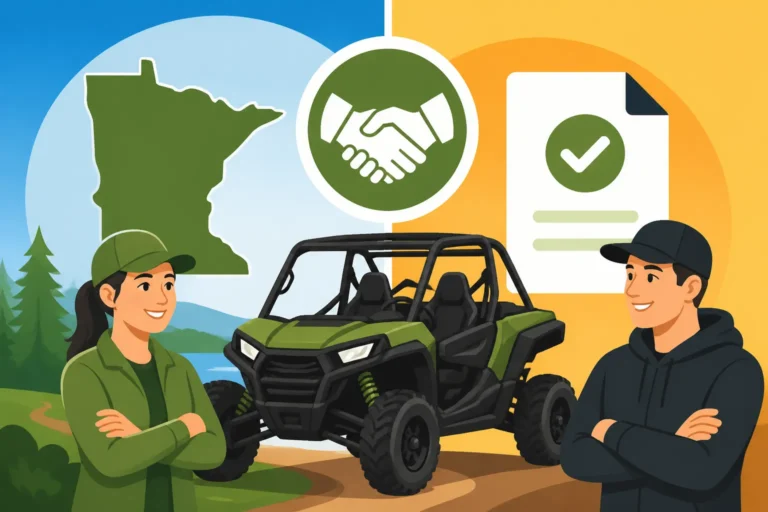
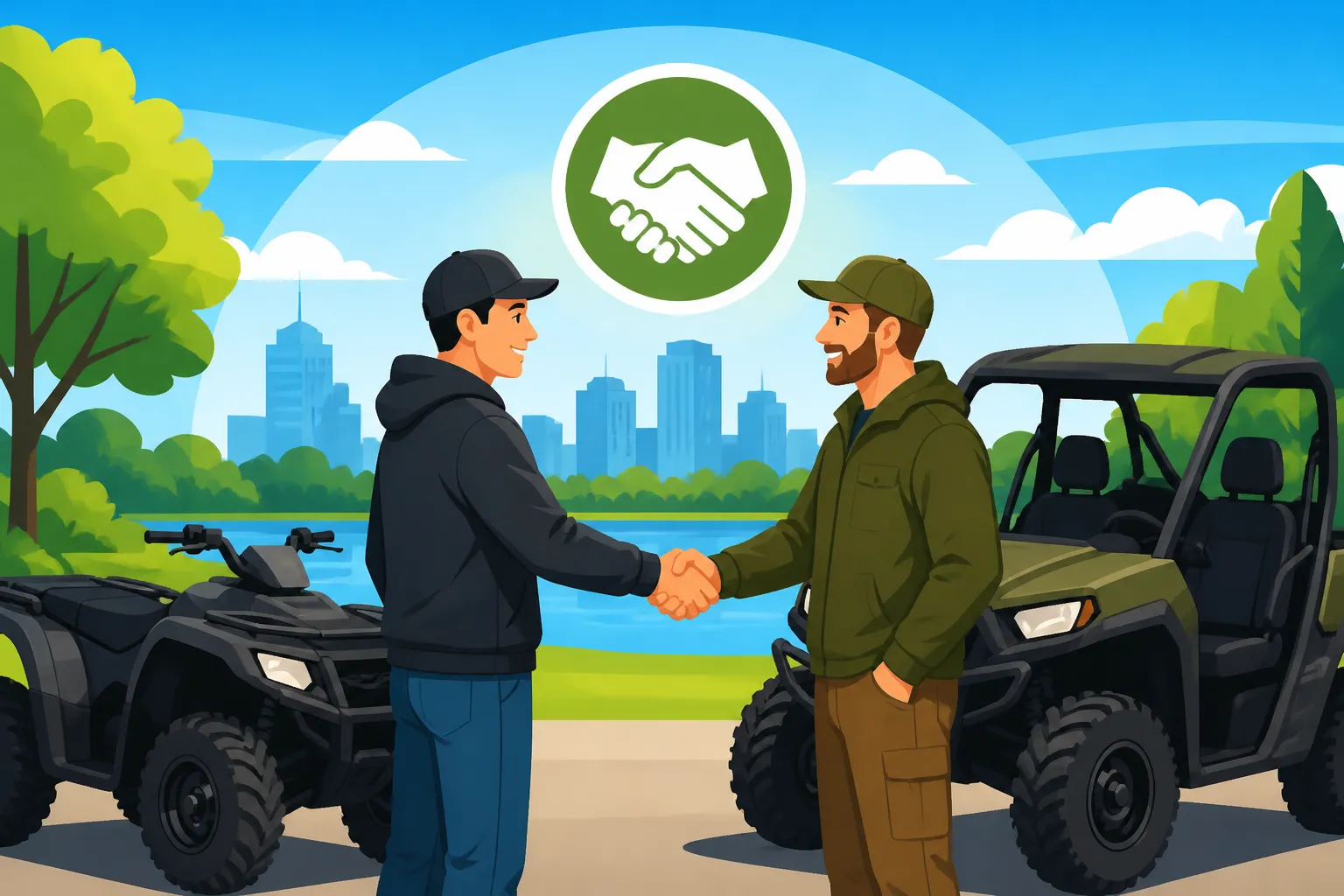
Selling or buying an ATV or side-by-side in Minnesota can bring a mix of excitement and apprehension, especially when you're dealing with a private party. The thought of meeting a stranger to exchange a significant sum of money for a machine, or vice versa, often sparks concerns about safety, privacy, and ensuring a smooth, legitimate transaction. This guide will walk you through the essential steps and considerations for meeting a seller or buyer in a public place, helping you navigate these private sales with confidence and peace of mind.
Why a Public Meeting Spot Is Crucial for ATV Sales
When you're arranging to buy or sell an ATV or UTV, it's easy to get caught up in the details of the machine itself – the engine hours, tire condition, or any modifications. But before you even get to kick the tires, you need to think about where that interaction will happen. Meeting someone at their home, or inviting a stranger to yours, can feel convenient, but it also carries inherent risks that many Minnesotans might not consider until it's too late.
Mitigating Personal Safety Risks
The biggest reason to choose a public meeting spot is personal safety. In an ideal world, every private transaction would be straightforward and honest, but unfortunately, we don't live in a perfect world. There are always individuals with less-than-honorable intentions, and inviting them to your home, or going to theirs, exposes you to potential theft, robbery, or worse. Think about it: they know where you live, what you own, and when you might be vulnerable. Meeting in a public, well-lit area, especially one with security cameras or plenty of foot traffic, significantly reduces these risks. It acts as a deterrent for anyone contemplating anything shady, making both parties feel much safer throughout the process.
Protecting Your Machine from Theft
If you're the seller, showing your prized Polaris Ranger or Can-Am Outlander in your driveway gives potential thieves a clear view of your property, your security setup (or lack thereof), and how easy it might be to come back later and take the machine. Even if the buyer seems legitimate, they might be casing your property for a future theft. By bringing the ATV to a neutral, public location, you protect your machine from being targeted after the transaction, whether it sells or not. This is particularly important for high-value machines that are often sought after by criminals.
Ensuring a Legitimate Transaction Environment
A public meeting also lends an air of legitimacy to the transaction itself. When you're in a well-trafficked area, both buyer and seller are more likely to behave ethically. There's an unspoken accountability when others are around. It discourages fraudulent practices, such as trying to pass off a stolen machine or paying with counterfeit cash, because there's a higher chance of being observed. It also creates a more formal, business-like atmosphere, encouraging both parties to be prepared with all necessary documents, like the title, a bill of sale, and proof of ownership. This can make a big difference when it comes to a smooth transfer. You can find excellent templates for these kinds of documents through services like LawDepot, which can help ensure all the legal bases are covered for your private sale.
Selecting the Ideal Public Meeting Location
Once you've decided on a public meeting, the next step is choosing the right public location. Not all public places are created equal when it comes to buying or selling an ATV or side-by-side. You need somewhere that offers safety, convenience, and enough space to inspect the machine properly.
Police Station Parking Lots
Hands down, one of the safest and most recommended spots for private transactions is a police station parking lot. Many police departments in Minnesota, from smaller towns like Park Rapids to larger cities, actively encourage their communities to use their lots for these very purposes. Some even designate specific "safe exchange zones" equipped with surveillance cameras operating 24/7. The visible presence of law enforcement and the constant monitoring make these locations incredibly unappealing for anyone with bad intentions. It sends a clear message that this is a legitimate transaction under watchful eyes. You might not be able to do an extensive test ride, but for viewing the machine and handling paperwork, it's tough to beat the security they offer.
Busy Retail Parking Lots
Another excellent option is the parking lot of a large retail store, especially during daylight hours. Think about places like Walmart, Fleet Farm, or even a busy shopping mall parking lot. These areas typically have:
- High foot traffic: Plenty of people coming and going, increasing visibility.
- Good lighting: Especially important if the meeting might extend into dusk.
- Security cameras: Many commercial establishments have extensive surveillance systems that cover their parking areas.
- Public restrooms: A small convenience that can make a difference if you're there for a while.
The key here is busy. A deserted corner of a large lot isn't nearly as safe as one right near the main entrance or with constant activity. While you probably can't run the ATV around, you can certainly start it, check the lights, and perform a visual inspection.
Dealership or Service Shop Parking Lots
Consider meeting at an ATV or power sports dealership, or even an independent service shop, during business hours. While you'd want to get permission first, these locations offer unique advantages. For one, if you're the buyer, you'll be able to get a quick expert opinion on the machine, or even arrange for a pre-purchase inspection right there, assuming the shop is amenable. For both parties, it shows a level of transparency and seriousness about the sale. Plus, these locations are usually well-maintained, well-lit, and have staff present. This can be particularly helpful if the sale involves a specific brand and you're at a dealership that specializes in it.
| Meeting Location | Pros | Cons |
|---|---|---|
| Police Station Parking Lot | Highest safety, surveillance, official presence, public access. | Limited space for test rides, might feel intimidating, less privacy. |
| Busy Retail Parking Lot | High visibility, good lighting, cameras, easy to find, public restrooms. | Less official oversight, might be very crowded, minimal test ride space. |
| Dealership/Service Shop Lot | Potential for expert inspection, knowledgeable staff nearby, legitimate setting. | Requires permission, may have limited space, not always available on weekends. |
| Bank Parking Lot (during hours) | Security cameras, safe cash handling if transaction happens inside. | Very limited space for machine, primarily for document/money exchange. |
| Coffee Shop Parking Lot | Casual, visible, good lighting, can discuss details inside. | Less secure than police station, no test ride space, primarily for discussion. |
Preparing for Your Public Meeting
Once you’ve locked in a public meeting location, don't just show up! A little preparation can go a long way in ensuring the transaction is not only safe but also smooth and efficient. Both buyers and sellers have responsibilities to ensure they're ready for the exchange.
What the Seller Needs to Bring
As the seller, your main goal is to prove legitimate ownership and provide all the necessary paperwork to transfer the machine. This means:
- The ATV or UTV: Make sure it's clean and in the condition you've advertised. First impressions count, and a well-maintained machine shows respect for the buyer's time.
- Title/Certificate of Origin: This is the absolute most critical document. In Minnesota, off-highway vehicles usually aren't titled like cars, but rather registered with the DNR. You'll need proof of ownership to transfer it. This might be a registration card or a bill of sale from when you bought it. Ensure your name is clearly on it. Understanding [Minnesota Title Rules for an Off-Highway Vehicle] is crucial here.
- Current Registration Card: While the registration will be transferred, having your current card validates your ownership.
- Bill of Sale: Prepare a bill of sale that includes the buyer's and seller's names and addresses, the machine's make, model, year, VIN, sale price, and the date. You'll want to sign this, and ideally, have the buyer sign it too. Services like LawDepot offer excellent, legally sound templates for a bill of sale, which can be invaluable in these situations. Remember, [What a Minnesota Bill of Sale Should Carry] is more than just a receipt.
- Photo ID: Have your driver's license or state ID ready to confirm your identity.
- Maintenance Records: If you've kept them, these can add value and transparency to your sale.
- Tools: Bring basic tools if you're selling accessories with the machine that need to be removed or adjusted.
What the Buyer Needs to Bring
As the buyer, you need to be prepared to verify the machine's history, inspect it thoroughly, and complete the purchase.
- Cash or Certified Check: For safety, avoid carrying large sums of cash. If you must use cash, arrange the meeting at a bank during business hours where you can withdraw the money safely and the seller can deposit it immediately. For larger purchases, a certified cashier's check is often preferred, but again, ensure it's from a reputable bank and ideally verified on the spot. Never rely on personal checks.
- Photo ID: You'll need this for the bill of sale and to confirm your identity.
- Bill of Sale Template: Just like the seller, you'll want to ensure all details are captured. Having a template from a service like LawDepot on hand means you're not relying solely on the seller's paperwork, which might be incomplete or informal.
- Inspection Checklist & Tools: Bring a checklist of things to inspect (tires, suspension, engine noise, leaks, etc.). A flashlight can be useful for looking into nooks and crannies. You'll want to be thorough, checking [Checking a Serial Number Before You Pay] and other crucial elements.
- Trailer or Truck with Straps: If you plan to buy and take the machine on the spot, ensure you have appropriate transportation and tie-downs.
- Helmet and Gear: If a test ride is permitted (and safe to do so in the chosen location), always wear appropriate safety gear.
Performing the Inspection and Paperwork Exchange
The meeting itself should be focused on a thorough inspection and the secure exchange of paperwork and payment.
- Buyer's Inspection: Take your time. Start the machine, listen to the engine, check the lights, brakes, and suspension. Look for leaks, damage, or anything that seems out of place. This is your one chance to fully assess the machine before you buy. Remember, [Inspecting a Used Machine in Minnesota] means looking beyond the shine.
- VIN Verification: Both parties should verify the VIN on the machine matches the paperwork. This is crucial for proving ownership and avoiding stolen machines. You can usually find the VIN stamped on the frame.
- Paperwork Review: Carefully review all documents. Ensure names, addresses, VINs, and prices are correct on the bill of sale and any other transfer documents. Make sure the seller's signature is clear and matches their ID.
- Payment and Exchange: Once both parties are satisfied, handle the payment and transfer the paperwork. If using cash, count it in front of the seller. If using a check, ensure all details are correct. Immediately take possession of the keys and any essential documents.
After the Public Meeting: Securing Your Purchase
The exchange might be over, but your responsibilities as a buyer, and even as a seller, don't end there. There are crucial steps to take immediately after the meeting to ensure everything is finalized correctly and legally, especially when it comes to Minnesota’s ATV regulations.
As the Buyer: Immediate Steps
You've got your new-to-you ATV loaded up and you're heading home – congratulations! But before you hit the trails, there are a few very important things you need to do to make it truly yours and street-legal (for ditch riding, at least, in Minnesota).
First and foremost, you need to register your new machine with the Minnesota Department of Natural Resources (DNR). In Minnesota, off-highway vehicles are registered, not titled, which is a common point of confusion for new owners. You'll usually have a short window, often 14 days, from the date of purchase to get this done. You can do this at a deputy registrar's office, which is the same place you register your car, or sometimes even online through Minnesota eLicense. Make sure you have your bill of sale and any other proof of ownership from the seller. This step is absolutely critical, as riding an unregistered ATV on public lands or trails in Minnesota can lead to penalties. For more details, check out [Minnesota DNR ATV Registration Explained] or [Registering a Machine After a Private Sale].
Next, you'll need to deal with sales tax. When you buy an ATV from a private party in Minnesota, you're generally still responsible for paying Minnesota sales tax on the purchase price, unless a specific exemption applies. This tax is typically paid at the time of registration. Don't forget this! It's an often-overlooked cost that can catch new buyers by surprise. For more on this, look into [Minnesota Sales Tax on a Private ATV Sale].
Finally, don't forget about insurance. While liability insurance might not be strictly required for all ATV use in Minnesota, it's a wise investment, especially if you plan to ride on public trails or roads. Many homeowners' policies offer limited coverage, but a dedicated ATV policy provides much better protection for property damage, injuries, and theft. Consider [Insuring an ATV in Minnesota] to understand your options and requirements.
As the Seller: Protecting Yourself Post-Sale
For the seller, your main goal is to ensure you're no longer legally responsible for the machine once it leaves your possession.
- Keep Your Records: Always retain a copy of the bill of sale. This is your proof that you sold the machine and when. If anything happens to the ATV after the sale, this document protects you from liability.
- Notify the DNR: While not always explicitly required for private ATV sales, it's good practice to notify the Minnesota DNR that you've sold the machine, especially if it was previously registered in your name. This helps ensure that any future incidents or renewals aren't mistakenly tied back to you. While there isn't a formal "release of liability" like with titled vehicles, having that dated bill of sale is your best defense.
- Remove Personal Belongings: Double-check that you've removed all your personal items from the machine before the exchange. Anything left behind could become an issue later.
Following these steps for both buyers and sellers ensures that your private ATV transaction, started in a safe public meeting, concludes smoothly and leaves both parties protected and satisfied.
Disclaimer
This article is for general informational purposes only and does not constitute professional advice. Laws, prices and regulations vary by location and change over time. Consult a qualified professional for guidance on your specific situation.