Insuring a Machine That Plows All Winter
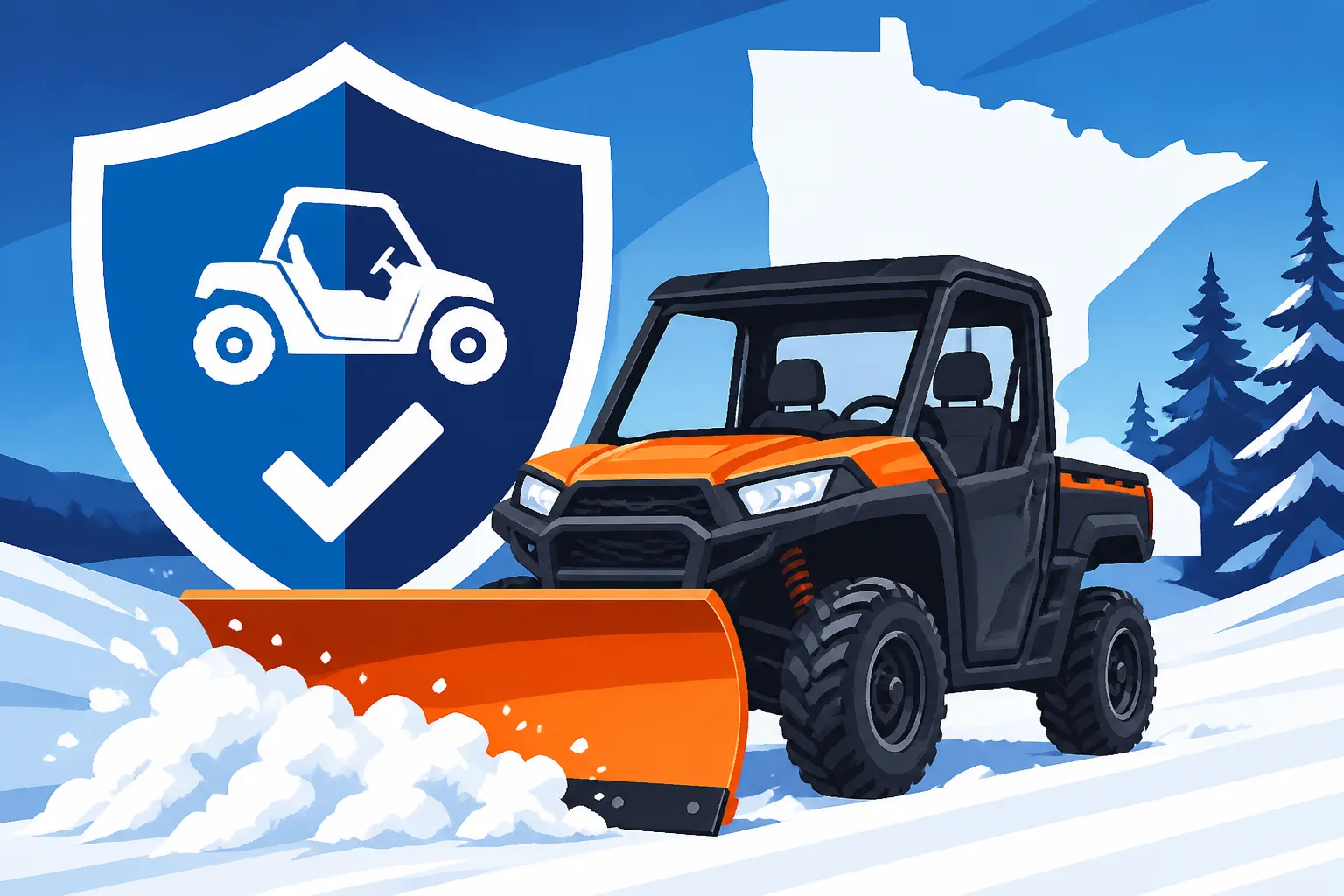
That trusty ATV or side-by-side that makes quick work of Minnesota’s notorious winter snows? It's more than just a fun trail machine; it's a workhorse, a snow-shoveling savior. But when you switch from carving trails to pushing piles of snow, you're also shifting its risk profile, and many folks don't realize their standard ATV insurance might not fully protect them during those long, cold plowing hours. This guide will walk you through the essential insurance considerations for machines used to battle winter's worst, helping you understand how to secure the coverage you need so you can plow with peace of mind.
Why Your Standard ATV Insurance Might Need an Upgrade for Plowing
You got your ATV or UTV for weekend adventures, maybe some hunting, or just cruising the back forty. Your insurance reflects that, likely covering you for recreational use, personal property damage, and liability if you accidentally ding someone's mailbox while trail riding. But when that first heavy snowfall hits and you mount the plow, your machine's job changes dramatically, and so do the risks.
Think about it: when you're plowing, you're not just moving snow. You're operating a heavy piece of machinery in often slippery, low-visibility conditions, sometimes close to fixed objects like houses, cars, mailboxes, or even other people. A small misjudgment can lead to significant property damage, or worse, personal injury. Standard recreational policies might have exclusions for "commercial use" or "work-related activities," even if you're just plowing your own driveway or helping out a neighbor. It's a classic Minnesota scenario: you're being helpful, but you could be exposing yourself to unexpected financial risks. Before you hook up that plow, it's really important to confirm your coverage.
Understanding the Limitations of Basic Policies
Many basic ATV insurance policies are designed with recreational riding in mind. They cover typical trail mishaps, theft, and perhaps some liability if you run into another rider on a public trail. However, they might not adequately address the unique hazards associated with plowing. For instance, if your plow blade snags on an unseen object buried in the snow, like a sprinkler head or a piece of rebar, and it damages the plow or your machine's frame, is that covered under your standard policy? What if your machine, with the plow attached, slides on ice and smashes into your garage door? These aren't typical "recreational" incidents, and some policies might view them differently, potentially denying claims or offering limited payouts.
Furthermore, if you're plowing for anyone beyond your immediate household – even if it's just a favor for an elderly neighbor and you're not charging a dime – an insurer could interpret this as some form of "commercial" activity, or at least a higher-risk scenario than simple recreational use. This distinction can be incredibly frustrating for good-hearted Minnesotans who just want to help out. It's not always about making money; sometimes, it's simply about being a good neighbor. However, from an insurance perspective, increased exposure to other people's property or to potential third-party injuries can trigger different policy clauses. Always have a frank conversation with your insurance provider about all intended uses for your machine, especially when winter rolls around.
The Overlap with Homeowners Insurance
A common question I hear from fellow Minnesota riders is, "Doesn't my homeowner's insurance cover this?" It's a fair question, especially since many homeowners policies cover certain personal property and liability for incidents that occur on your property. However, the answer is often "it depends," and usually, "not entirely." While your homeowners policy might offer some liability coverage if, for example, someone slips and falls on your property after you've plowed, it's highly unlikely to cover direct damage to your ATV or plow, or the specific liability risks associated with operating the machine itself.
Homeowners policies are designed for your home and the property it sits on, not typically for motorized vehicles, even if they're used on that property. There are generally exclusions for motorized vehicles, which are expected to be covered by their own specific insurance policies. So, if you're plowing your driveway and you accidentally back into your spouse's parked car, your ATV policy is what would usually kick in for the damage your ATV caused, not your homeowners. If you're relying solely on your homeowners policy for your plowing machine, you might find yourself in a very difficult and expensive situation. It's always best to review your [Does a Homeowners Policy Cover a Quad?] with your agent to clarify these critical distinctions before the snow flies.
Key Insurance Coverages for Your Winter Workhorse
When it comes to insuring a machine that’s going to be pulling plowing duty all winter, you need to think beyond the basics. Your goals are to protect your investment (the ATV/UTV and the plow attachment), and more importantly, protect yourself from significant financial strain if something goes wrong. This often means looking at specific types of coverage that address the unique risks of winter utility work.
It's not just about covering crashes on the trail; it's about safeguarding against the nicks, scrapes, impacts, and potential liabilities that come with operating a heavy blade in a snowy environment. You want to make sure that if your valuable machine, or someone else's property, takes a hit, you're not left out in the cold financially.
Comprehensive and Collision Coverage
These two types of coverage are the bedrock for protecting your machine itself, especially when it’s being used for something as demanding as plowing. Think of it this way: your ATV or UTV is a significant investment, often costing as much as a used car, and the plow attachment itself can add a considerable amount to that value. If you use it year-round, or if it’s the primary way you keep your property clear, you want it protected.
Collision coverage steps in when your machine hits another object or vehicle, or if it rolls over. This is incredibly important for plowing, where you're constantly maneuvering around obstacles. Imagine you’re pushing a heavy drift, and suddenly, an icy patch sends your front end into a sturdy fence post. Collision coverage would typically help pay for the repairs to your ATV or UTV, minus your deductible. Without it, you’re looking at potentially thousands of dollars out of pocket. Comprehensive coverage, on the other hand, protects against non-collision events, like theft (which can happen even when parked in your yard), vandalism, fire, or damage from severe weather like hail or falling trees. While less directly related to plowing incidents, it’s crucial for protecting your machine when it’s parked or not in active use. Many Minnesota riders often underestimate the value of comprehensive coverage for their machines, especially those stored outdoors or in unheated sheds during the off-season, or even just sitting idle with a plow attachment.
Liability for Property Damage and Bodily Injury
This is arguably the most critical component of your insurance when plowing, especially if you ever clear snow for others. Liability coverage protects you if you’re legally responsible for damage or injury to another person or their property. In the context of plowing, the scenarios are plentiful and potentially expensive.
Imagine this: you're clearing a neighbor's driveway, and an unseen icy patch causes your machine to slide into their garage door, leaving a nasty dent. Or, perhaps a rock gets flicked up by the plow and shatters a window on their house. Your property damage liability would help cover the cost of repairs to their property. Even more serious is bodily injury liability. What if, while plowing, a child or pet darted out unexpectedly, and you accidentally caused an injury? This type of coverage would help pay for medical expenses and legal fees if you were found responsible. Many people get nervous when discussing [Minnesota Liability Coverage for Riders], and rightly so, because the financial stakes can be incredibly high. A good liability policy provides a crucial safety net for these unforeseen incidents, whether you're plowing your own property or helping a friend. It’s the difference between a minor inconvenience and a life-altering financial burden.
Custom Parts and Accessories Coverage
If you’ve invested in a quality plow system, you know it’s not a cheap add-on. Many standard ATV policies only cover the stock machine. If your policy doesn't explicitly include coverage for "custom parts and accessories," that expensive plow, winch, cab enclosure, or heated grips might not be protected if they're damaged or stolen. This is a crucial detail often overlooked by Minnesota riders who outfit their machines specifically for winter work.
When you invest in accessories like a powerful winch for lifting your plow, specialized lights for night plowing, or even a full cab enclosure to stay warm, these items represent a significant additional cost. Without dedicated coverage, if your plow blade gets bent beyond repair after hitting a hidden obstacle, or if your cab enclosure is damaged in a rollover, you could be on the hook for the full replacement cost. Always confirm with your insurer whether your policy includes an adequate amount for custom parts and accessories, and if not, inquire about adding it. It's often a relatively small increase in premium for a huge amount of peace of mind, especially considering the price tags on some of the top-tier [Winch and Plow Pricing for Minnesota Owners]. Don't let your investment in making winter work easier become another financial burden if things go sideways.
Factors Affecting Your Plowing Machine's Insurance Premium
Let's face it, nobody enjoys paying insurance premiums. But understanding what drives those costs can help you make informed decisions and ensure you're getting the best value for your coverage. When you're insuring an ATV or UTV that's going to be working hard plowing snow all winter, there are several specific factors that can influence how much you pay. It's not just about the machine's value; it's also about how you use it, where you live, and your own history as a driver or operator.
For many Minnesota riders, their machine is a vital tool, not just a toy. Protecting that tool, and the liability associated with its work, is a necessary expense. Knowing what levers you can pull, or at least what influences the cost, gives you a clearer picture of your overall [Minnesota ATV Insurance Cost].
Machine Type and Value
The type of machine you own plays a significant role in your insurance premium. A smaller, older ATV generally costs less to insure than a brand-new, powerful UTV. Side-by-sides, with their larger size, heavier weight, and often higher purchase price, typically come with higher insurance costs. This is because they can cause more damage in an accident, and their repair or replacement costs are greater. If you've got a top-of-the-line Polaris Ranger or a Can-Am Defender equipped for heavy-duty plowing, your premium will naturally reflect that higher value and potential for greater liability.
The value isn't just about the initial purchase price, either. Any high-end modifications, such as track systems, upgraded suspensions, or extensive lighting packages, will also factor into the "value" of the machine from an insurance perspective. While these accessories make your plowing more efficient and comfortable, they also increase the cost to replace or repair your machine if it's damaged. Be upfront with your insurance provider about your machine's make, model, year, and any significant modifications. They need an accurate picture to provide adequate coverage and a fair premium.
Your Riding and Claims History
Just like with auto insurance, your history as an operator significantly impacts your ATV or UTV insurance rates. If you have a clean driving record with no accidents or violations, you're likely to get a better rate. Conversely, if you've had past claims, especially those involving property damage or personal injury, or if you've been cited for reckless operation, your premiums will be higher. Insurers view a history of incidents as an indicator of future risk.
It's not just about ATV-specific incidents; sometimes, your driving record for cars or trucks can influence your off-road vehicle insurance. This makes sense from an insurer's perspective: a responsible driver is a responsible operator, regardless of the vehicle. If you've had a recent claim related to your ATV, even if it wasn't a plowing incident, that could still push up your rates when you renew. Maintaining a safe operating record is one of the best ways to keep your insurance costs down over the long term, both for your road vehicles and your trusted winter workhorse.
Where You Live and Ride
Believe it or not, your geographic location can also influence your insurance premiums. This isn't just about Minnesota versus another state; it can even vary within Minnesota itself. Factors like population density, theft rates in your area, and the frequency of accidents reported in certain regions can all play a role. If you live in a rural area with lower traffic and crime rates, you might see lower premiums compared to someone living in a more densely populated suburban or urban fringe area where there's a higher chance of theft or property damage incidents.
Furthermore, how frequently you plan to use your machine for plowing, and on what types of property, can also be a consideration. While you won't get a discount for not plowing, the overall risk assessment of your location and typical use patterns matters. An insurance company evaluates the statistical likelihood of a claim based on a myriad of factors, and your home address is certainly one of them. For instance, if you're keeping a [Machine Kept at a Hunting Shack] in a very remote area, the theft risk might be lower, but the challenge for emergency services could be higher. It's a complex equation, but your postal code is definitely a variable.
| Coverage Type | What It Protects | Relevance for Plowing Machine |
|---|---|---|
| Collision | Damage to your machine from hitting an object/rollover | Essential for plowing accidents (e.g., hitting a mailbox, garage, or fence post). |
| Comprehensive | Damage to your machine from non-collision events | Protects against theft (of machine or plow), vandalism, fire, weather damage. |
| Bodily Injury Liability | Injuries you cause to others | Crucial if you accidentally injure someone while plowing (e.g., a pedestrian, child, pet). |
| Property Damage Liability | Damage you cause to others' property | Covers damage to another person's car, house, fence, landscaping, etc., while plowing. |
| Custom Parts/Accessories | Plows, winches, tracks, cabs, light bars, etc. | Ensures your expensive plow and other winter-specific modifications are covered if damaged. |
| Uninsured/Underinsured Motorist | Damage/injury to you if hit by someone without insurance | Less direct for plowing, but important for general machine use; could apply if hit by another vehicle while crossing roads to get to a plowing job. |
Steps to Get the Right Coverage for Your Winter Workhorse
Securing the right insurance for your plowing machine doesn't have to be a headache, but it does require a bit of proactive effort. Don't wait until the first blizzard hits to start thinking about it. Taking a few deliberate steps now can save you a lot of stress and potential financial grief down the line. It's all about being clear with your needs, thoroughly understanding your options, and not being afraid to ask detailed questions.
The goal here isn't just to buy any policy, but to buy the right policy – one that truly covers your specific use case as a winter workhorse in Minnesota. This machine is an investment that saves you time and effort; make sure it's properly protected, just like any other valuable asset you own.
Clearly State Your Intended Use to Your Agent
This is perhaps the single most important step. When you talk to your insurance agent, whether it's for a new policy or reviewing an existing one, be absolutely clear that your ATV or UTV will be used for snow plowing, and specify where you'll be plowing. Will it only be your own driveway and property? Will you be helping out family members or neighbors for free? Will you be doing any commercial plowing for hire?
Each of these scenarios might be viewed differently by an insurer, and clarity upfront ensures there are no surprises if you ever need to file a claim. Don't assume anything. What you consider "helping a friend" might be seen by an insurance company as "incidental commercial use," which could require a different rider or policy type. If you are doing any formal work, even on a casual basis, you might also consider having a simple service agreement in place with LawDepot or a similar legal document service, outlining responsibilities, which can complement your insurance coverage. A detailed conversation with your agent about your exact plowing plans will help them recommend the most appropriate coverage and avoid any potential issues with exclusions.
Review Your Current Policy Thoroughly
Before you even think about switching providers or adding new coverage, pull out your existing ATV or UTV insurance policy and read it carefully. Look specifically for any clauses related to "commercial use," "work use," "utility use," or "attachments/accessories." Pay close attention to the limitations of liability coverage and the deductibles for collision and comprehensive. Many Minnesota riders often assume their current policy covers all eventualities, only to find out too late that there are gaps.
If you have questions after reading it, write them down! Don't be afraid to call your agent and walk through your entire policy, paragraph by paragraph if necessary. Ask direct questions like, "If I'm plowing my driveway and hit my own garage, is that covered?" or "If I'm plowing my neighbor's driveway and damage their landscaping, what specifically would my policy cover and what would be my out-of-pocket cost?" Understanding these details before an incident occurs is crucial.
Consider Additional Endorsements or Riders
Based on your discussion with your agent and your policy review, you might find that you need to add specific endorsements or "riders" to your policy. These are additional provisions that extend or modify the standard coverage to meet specific needs. For a plowing machine, common endorsements might include:
- Plow and Accessory Coverage: As discussed, this ensures your expensive plow blade, mount, and winch are covered beyond the basic machine value.
- Increased Liability Limits: If you're plowing around high-value property or in areas with more pedestrian traffic, increasing your liability limits might be a wise investment for greater peace of mind.
- Specific Use Endorsements: Some insurers offer endorsements that specifically address "utility use" or "farm use" (if applicable), clarifying coverage for tasks like plowing that go beyond recreational riding.
- Inland Marine Policy (for very high-value equipment): While less common for a single plow attachment, if you have an extremely expensive, specialized winter work setup, your agent might suggest looking into an inland marine policy, which is designed to cover movable property.
Remember, every insurer is different, and what one calls an "endorsement" another might include as standard or require a separate policy. Always discuss your options thoroughly and make sure you understand the fine print before signing up. To protect yourself further, especially if you engage in any kind of formal plowing agreement with others, you might use a template from a service like LawDepot to draft a clear agreement that defines scope, expectations, and liability limitations, though this is separate from your insurance policy itself. Having both a strong insurance policy and clear agreements can offer robust protection.
Disclaimer
This article is for general informational purposes only and does not constitute professional advice. Laws, prices and regulations vary by location and change over time. Consult a qualified professional for guidance on your specific situation.