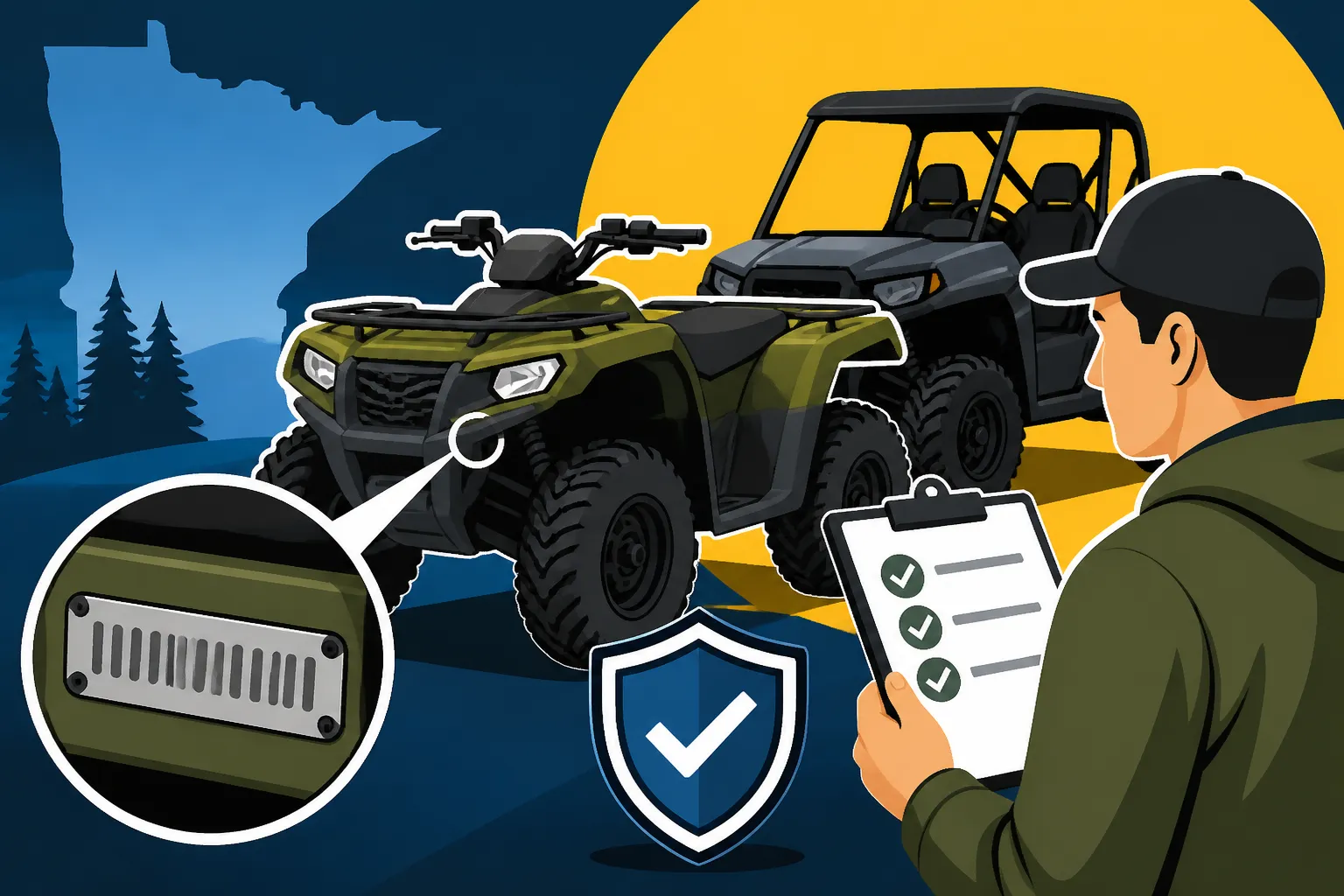
Checking a Serial Number Before You Pay
Oh, the thrill of finding that perfect used ATV or UTV! Maybe it’s a sweet deal on a Polaris Ranger you’ve been eyeing for those long days at the deer camp, or perhaps a zippy little Yamaha Raptor for tearing up the trails. But before you hand over your hard-earned cash, there’s one absolutely crucial step that far too many buyers skip, only to regret it later: checking the serial number, also known as the Vehicle Identification Number (VIN). Skipping this can lead to untold headaches, from discovering your new-to-you machine is actually stolen to finding out it’s a salvaged wreck patched together with duct tape and a prayer. This guide is all about empowering you to do your due diligence, so you can buy with confidence and hit the Minnesota trails worry-free.
Why a Serial Number Check is Your Best Defense Against Headaches
Think of the VIN as your machine's unique DNA. It tells a story – its origin, its year, its very identity. And just like checking a potential partner's background before getting serious, you absolutely need to check the VIN before committing to a purchase. It's not just about avoiding fraud; it's about protecting your investment and your peace of mind.
Uncovering Stolen Machines
This is perhaps the biggest and scariest reason to check a VIN. Imagine buying a machine, spending money on accessories, and finally getting it registered, only for law enforcement to show up and tell you it was reported stolen. Suddenly, you're out of a machine and out of your money, with no legal recourse against the seller who has vanished. It's a devastating scenario that happens more often than you'd think. A quick VIN check against national databases can flag a stolen machine immediately. If the VIN comes back as stolen, you walk away, potentially saving yourself thousands of dollars and a world of legal trouble. It's not just about avoiding being implicated in a crime; it's about ensuring the machine you're buying truly belongs to the person selling it. Remember, if it seems too good to be true, it often is. [Checking Whether a Quad Was Reported Stolen] is a step no buyer should ever skip.
Confirming Ownership and Lien Status
Beyond being stolen, a machine might have other murky pasts. What if the seller doesn't actually own it outright? Perhaps they're still making payments, and the bank holds a lien on the title. If you buy a machine with a lien on it, that lien often transfers with the machine, meaning the bank could legally repossess it from you if the original owner stops paying. Suddenly, you're stuck with a machine that isn't truly yours. A VIN check, sometimes through a public records request or specialized services, can reveal if there's an active lien. It can also help confirm that the person selling the machine is indeed the registered owner, preventing you from buying from someone who's just "flipping" a machine they don't legitimately possess or have the right to sell. This kind of due diligence helps you verify the [Proof of Ownership for a Minnesota ATV] and avoid future disputes.
Verifying Machine Identity
Not all machines are what they seem. Some unscrupulous individuals might try to "rebadge" a lower-end model as a more expensive one, or conceal significant damage. A VIN check helps verify the make, model, and year of the machine against its official records. You might uncover that the machine was involved in a serious accident and issued a salvage title, or perhaps it’s been rebuilt from multiple wrecks, issues that might significantly impact its value, safety, and insurability. Knowing the true history, including whether it's a [Salvage and Rebuilt Machines in Minnesota], gives you leverage in negotiations or helps you decide to pass on a problematic machine entirely. You want to make sure the machine you’re drooling over is the machine you’re actually getting.
How to Find and Verify the Serial Number (VIN) on a Minnesota ATV or UTV
Alright, now that you're convinced (and you should be!), let's talk about the practicalities of finding and checking that all-important VIN. It's usually not hidden, but knowing where to look helps.
Where the VIN Typically Sits
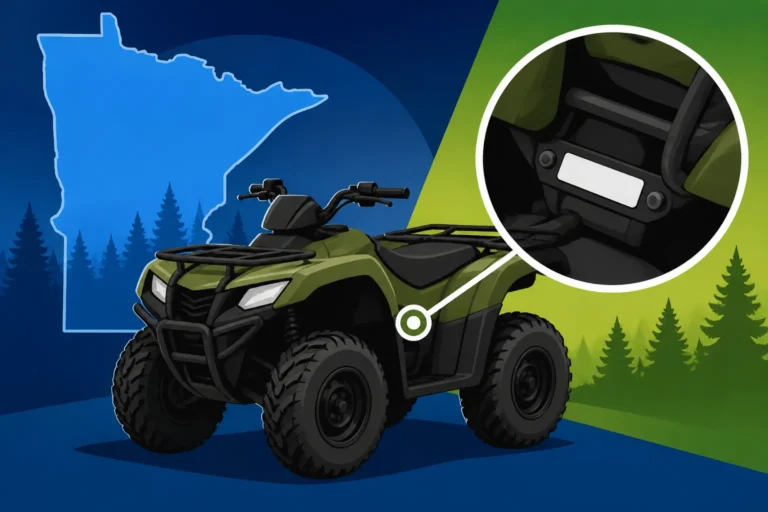
The VIN is a 17-character alphanumeric code that's usually stamped into the frame of the machine, making it difficult to alter or remove. Its exact location can vary slightly depending on the manufacturer and the type of machine.
- For ATVs: Most often, you'll find the VIN on the left side of the frame, near the front wheel, or along the lower frame rail by the footpeg. Sometimes it's stamped near the engine mounts or on the steering neck. It's usually in an easily visible spot, but you might need to clean off some mud or dirt. Check for a metal plate or a stamped area directly on the frame. If you're looking for specifics, a guide like [Where the VIN Sits on a Quad] can offer more detailed, model-specific locations.
- For UTVs (Side-by-Sides): UTVs also have their VINs stamped into the frame, often on the driver's side, possibly near the firewall, under the driver's seat, or on the frame rail near one of the wheels. Again, look for a clearly stamped series of characters. Always compare the VIN found on the machine itself with the VIN listed on the seller's title or registration document. They absolutely must match perfectly, character for character.
Deciphering the VIN
While you don't need to be a VIN expert, knowing a little about its structure can be helpful. The 17 characters in a modern VIN are not random. They provide specific information about the machine. For instance, the first few characters identify the country of origin and manufacturer. Later characters denote the vehicle type, engine type, and other features. A particularly important digit is the tenth character, which usually indicates the model year. The last set of digits is the unique serial number specific to that particular machine. Don't worry about memorizing the entire VIN decoding process; just know that each character has a meaning and contributes to the machine's official identity. Your main goal is to ensure the VIN isn't tampered with, and that it matches all official paperwork.
Tools for Verification
Once you have the VIN, it's time to put it to work. There are several ways to verify the information:
- Minnesota DNR/Driver and Vehicle Services (DVS): In Minnesota, ATVs and UTVs are registered through the Department of Natural Resources (DNR) or Deputy Registrars. While you generally can't just call up and get someone's private information, certain services or inquiries related to stolen vehicles or liens might be possible through official channels, especially if you have a legitimate reason to believe something is amiss. It’s always worth checking with them to see what public information they can provide or how to proceed with a purchase.
- National Databases: Several private companies offer VIN check services that pull data from various sources, including police records, insurance claims, and state titling agencies. These services can reveal if a vehicle has been reported stolen, if it has a salvage title, or if it has been involved in major accidents. While these services usually come with a small fee, it's a small price to pay for peace of mind compared to the cost of a problematic machine.
- Bill of Sale or Contract Services: When it comes time to formalize the sale, using a service like LawDepot to generate a comprehensive bill of sale is an excellent idea. A proper [What a Minnesota Bill of Sale Should Carry] should explicitly state the VIN, ensuring that both buyer and seller agree on the exact machine being transferred. This document, combined with a clear VIN check, forms a robust paper trail for your purchase.
What to Do with the Information You Find
The information you uncover during your VIN check will heavily influence your next steps. It's a critical decision point in your buying journey.
Red Flags and Deal-Breakers
A thorough VIN check isn't just about getting a clean bill of health; it's about spotting the red flags that should make you seriously reconsider the purchase.
- Mismatching VINs: If the VIN on the machine doesn't match the one on the title or registration, walk away immediately. This is a massive red flag that suggests either fraud, theft, or a serious clerical error that will be a nightmare to fix. [Correcting a VIN on a Minnesota Record] is a process you absolutely want to avoid as a new owner.
- Stolen Status: As mentioned, if the VIN comes back as stolen, do not proceed. Report the seller to the authorities.
- Active Liens: A lien means the seller doesn't fully own the machine. Unless the seller can provide clear documentation from the lender stating the lien will be immediately satisfied upon sale, do not buy. You don't want to inherit someone else's debt.
- Salvage or Rebuilt Titles: While not always a deal-breaker, a salvage title indicates significant past damage. If you're still interested, insist on seeing all repair documentation and consider having a qualified mechanic inspect the machine thoroughly. This knowledge should also significantly impact the price you're willing to pay.
- Tampered VIN: Look for signs that the VIN has been altered, ground off, or re-stamped. Any such indication means the machine is highly suspect, and you should terminate negotiations immediately.
These red flags are your cue to hit the brakes. There are plenty of other machines out there, and one with a questionable VIN history is simply not worth the risk.
Proceeding with Confidence
If your VIN check comes back clean – no theft reports, no active liens, and a clear title history that matches the seller's documentation – then you've passed a major hurdle. This is where you can start feeling more confident about the purchase. A clean VIN check means:
- Legitimate Ownership: The person selling the machine likely has the legal right to do so.
- Clear Title: The machine is likely free of financial encumbrances.
- Verified Identity: The machine is what the seller claims it is, at least in terms of make, model, and year.
Even with a clean VIN, remember this is just one piece of the puzzle. You'll still want to thoroughly inspect the machine physically, take it for a test ride, and ensure it meets your expectations for condition and performance. Think of the VIN check as the background check, while the physical inspection is the in-person interview.
Formalizing the Sale
Once you've done your due diligence and decided to move forward, it's crucial to formalize the sale properly. This involves a clear exchange of documents and payment.
- Bill of Sale: Always, always, always get a written bill of sale. This document should include:
- The full names and addresses of both buyer and seller.
- The purchase price.
- The date of the sale.
- A detailed description of the ATV/UTV, including its make, model, year, and most importantly, the VIN.
- A statement that the machine is sold "as-is" (if applicable), or any agreed-upon warranties.
- The signatures of both parties.
A well-drafted bill of sale, perhaps generated using a reliable service like LawDepot, is your legal record of the transaction. It's essential for [Minnesota Registration After a Private Sale] and for protecting both parties.
- Title Transfer: The seller should sign over the title (if Minnesota issued one for that machine class or year) to you. Understand the rules for [Minnesota Title Rules for an Off-Highway Vehicle] to ensure a smooth transfer. Make sure they sign in the correct place and that their signature matches the name on the title. If there's no title, or if the seller claims to have lost it, this can create problems for you when you try to register the machine yourself. In Minnesota, not all ATVs require a title, but registration is certainly mandatory for public land use.
- Payment: Use a secure payment method that leaves a clear paper trail, such as a cashier's check or bank transfer. Avoid cash for large purchases if possible, as it leaves no trace.
By taking these steps, you're not just buying a machine; you're securing a legitimate transfer of ownership, protecting yourself from future complications, and setting yourself up for many happy hours of riding.
Here's a quick comparison of what a VIN check might reveal:
| Feature | Clean VIN Check (Good Signs) | Red Flags (Proceed with Caution or Walk Away) |
|---|---|---|
| Theft Status | Not reported stolen in any database. | Reported stolen; contact law enforcement immediately. |
| Ownership | Matches seller's name on title/registration; no active liens. | Active lien recorded; seller's name doesn't match; [Registering Without the Previous Owner's Signature] is difficult. |
| Machine ID | Make, model, year match seller's description and DNR records. | VIN on machine doesn't match paperwork; VIN appears altered or missing characters. |
| Title Status | Clean title; no salvage, rebuilt, or flood designations. | [Salvage and Rebuilt Machines in Minnesota] title; severe damage history. |
| Previous Use | No unusual flags for commercial use or severe accidents (depending on database depth). | History of major accidents not disclosed; inconsistency in reported use. |
When you're dealing with a private sale, the responsibility for due diligence falls squarely on your shoulders. Services like LawDepot can help you formalize the documents needed for a clear transfer, but the initial investigation of the machine's history via its VIN is your personal safeguard. Don't skip it!
Disclaimer
This article is for general informational purposes only and does not constitute professional advice. Laws, prices and regulations vary by location and change over time. Consult a qualified professional for guidance on your specific situation.