Where a Polaris Sportsman Carries Its VIN
It can be incredibly frustrating to need a specific piece of information from your ATV or UTV, like the Vehicle Identification Number (VIN), only to find it's playing hide-and-seek. Whether you're trying to register your Polaris Sportsman, prove ownership, or prepare for a sale, that little 17-character code is essential. This guide will walk you through exactly where to find the VIN on your Polaris Sportsman, why it's so important, and what to do if you're struggling to locate it.
Why Your Polaris Sportsman's VIN is Absolutely Critical
Think of your ATV or UTV's VIN as its unique fingerprint, a crucial piece of identification that connects your machine to its history and you to its ownership. Without it, you're essentially trying to operate a vehicle without a proper identity, which can lead to a whole host of headaches, from legal entanglements to security concerns.
The Backbone of Ownership and Registration
Every single ATV or UTV in Minnesota that's used on public lands or trails needs to be registered with the Minnesota Department of Natural Resources (DNR). And guess what's the very first piece of information they'll ask for? You guessed it, the VIN. It's the unique identifier that allows the state to track ownership, ensure proper taxes are paid, and keep tabs on the millions of machines enjoying our incredible outdoor spaces. Without an accurate VIN, you simply cannot complete the [Registering an ATV in Minnesota] process, leaving your machine stuck in the garage or confined to private land.
Beyond initial registration, the VIN is your ultimate [Proof of Ownership for a Minnesota ATV]. If you ever need to replace a lost registration card, prove the machine is yours, or even apply for an insurance policy, that VIN is the indisputable record. It ties directly back to manufacturing data, detailing the year, make, and model of your specific Polaris Sportsman, creating a clear chain of custody from the factory floor to your driveway. It's the definitive answer to "who owns this machine?" in the eyes of the law.
When it comes time to buy or sell a used machine, the VIN takes center stage. For buyers, verifying the VIN is paramount to ensuring you're getting a legitimate machine with a clean title. For sellers, having the VIN readily available is crucial for completing the necessary paperwork and making the transaction smooth. Resources like LawDepot can provide templates for a [What a Minnesota Bill of Sale Should Carry], and you'll find the VIN is always a primary field, ensuring the sale is legally sound and recorded properly.
Protecting Yourself from Theft and Fraud
Unfortunately, ATV and UTV theft is a real concern, and the VIN is your best defense. When a machine is stolen, law enforcement enters that VIN into national databases, making it incredibly difficult for thieves to re-register or sell it legitimately. Recovering a stolen ATV often hinges entirely on that unique VIN being correctly reported and found. If you're ever unlucky enough to have your Polaris Sportsman disappear, the VIN is what allows the authorities to actively look for your specific machine.
For those looking to purchase a used Polaris Sportsman, checking the VIN before you hand over any money is non-negotiable. This simple step can prevent you from inadvertently buying a stolen machine, which would lead to a tremendous amount of heartache, financial loss, and legal trouble if discovered. A quick check of the VIN through appropriate channels can reveal if the machine has been reported stolen, has a salvage title, or has other red flags in its history. This due diligence is a smart move that savvy buyers never skip.
Checking the VIN is also vital for understanding the machine's true identity, which can help prevent fraud related to misrepresentation. Some unscrupulous sellers might try to pass off an older model as newer, or a less equipped trim as a premium one. The VIN, being directly tied to the manufacturer's records, can quickly expose such discrepancies. Before you go through the hassle of [Checking a Serial Number Before You Pay], make sure you have the VIN clearly identified from the machine itself.
Unlocking Your Machine's History
Beyond ownership and security, the VIN is a treasure trove of information about your Polaris Sportsman. The 17 characters in a modern VIN are not random; they're a coded message, with each segment providing specific details about the machine. For instance, the first three characters identify the manufacturer, country, and division. The fourth through ninth characters often describe the vehicle attributes, such as engine type, body style, and series. One of the most important segments for buyers and owners is typically the tenth character, which denotes the model year of the machine. This helps you identify the exact year of your ATV, even if the seller is unsure.
Knowing the precise year and model from the VIN is invaluable for maintenance and repairs. When you need to order parts, whether it's a new air filter, brake pads, or a specific suspension component, you'll often need the exact year, make, and model. Relying solely on a seller's word or a faded sticker can lead to ordering the wrong parts, costing you time and money. The VIN is the definitive source for this information. This can also provide insights into the machine's past, especially if you delve into its [Minnesota Records and a Machine's Ownership History] to uncover previous owners or any reported incidents.
Furthermore, a VIN can also inform you about the original specifications and features of the machine. Did it come with power steering? What was the original engine size? This information is baked into the VIN's structure and can be decoded using online resources or by contacting a Polaris dealer directly. This historical data is not just for curiosity; it helps you understand the machine's capabilities, its potential resale value, and any manufacturer recalls that might apply to that specific model year. For machines that have a complex or uncertain past, the VIN is the starting point for uncovering the truth.
Where to Hunt for the VIN on a Polaris Sportsman
Finding the VIN on your Polaris Sportsman isn't always as straightforward as you'd like, especially after years of mud, dust, and grime. However, manufacturers place them in specific, somewhat standardized locations. Knowing where to look will save you a lot of time and frustration.
The Primary Locations
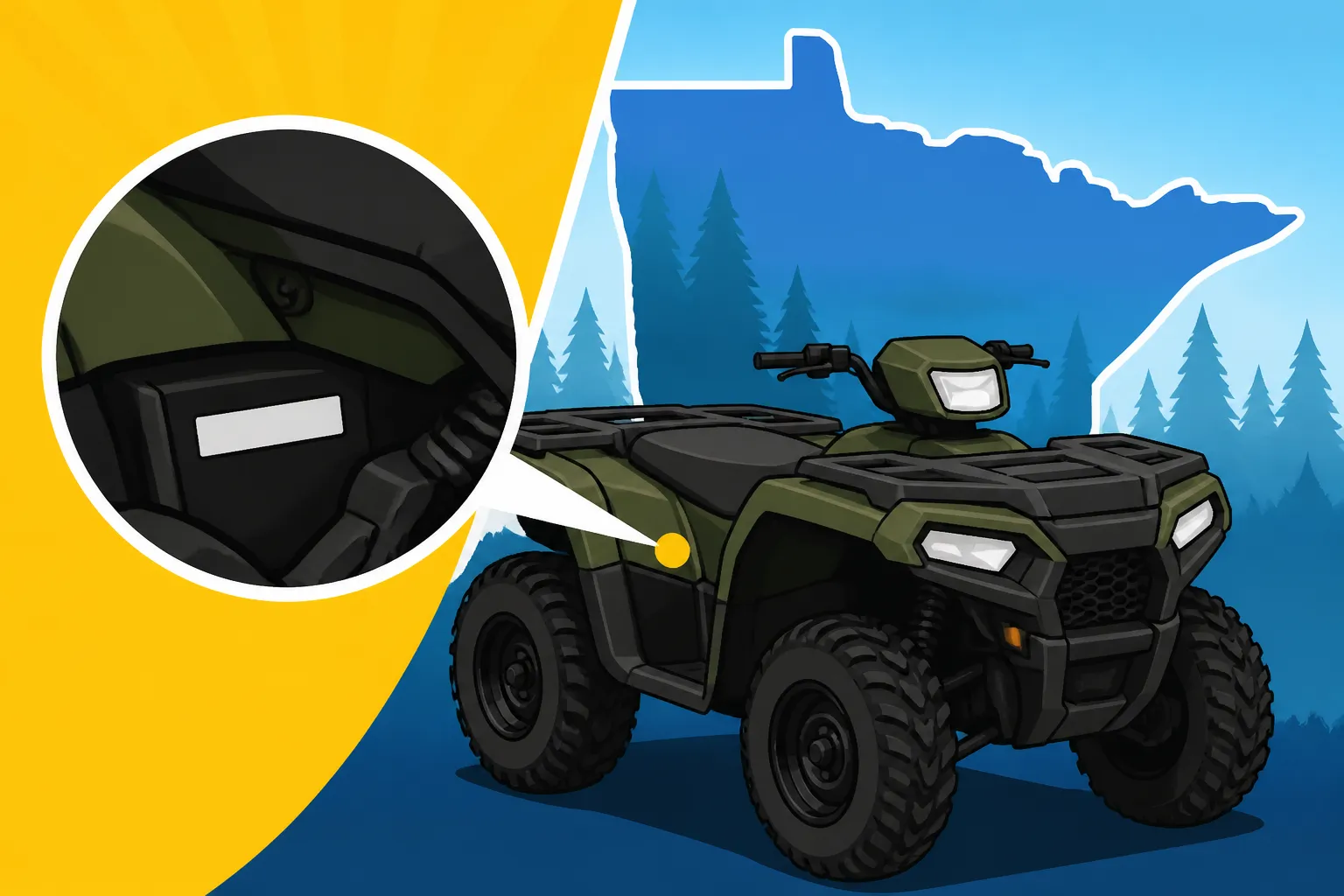
For most Polaris Sportsman models, you'll want to focus your search on the frame, specifically near the front right wheel. This is the manufacturer's primary and mandated location for the VIN. The number is typically stamped directly into the metal of the frame rail or a crossmember, making it a permanent part of the machine that is difficult to alter. It won't be on a sticker that can easily peel off or be removed.
To locate it, start by kneeling down by the front right wheel (the passenger side if you're sitting on the machine). Look along the main frame tube that runs horizontally behind the wheel, or along the vertical strut that comes up from the wheel hub. Sometimes it’s on a crossmember just in front of the engine, or even on the steering post support bracket. It’s usually stamped clearly, but it might be covered by dirt, rust, or even a layer of paint if the frame has been touched up over the years. This spot is generally consistent with [Where the VIN Sits on a Quad] across various brands.
The stamping might be subtle, not a big, bold plate. It will be a series of 17 characters, a combination of letters and numbers. Sometimes it’s oriented horizontally, sometimes vertically, depending on the available space and the model year. Be prepared to get a little dirty, as this area is often exposed to the elements and tends to accumulate grime. A good flashlight can be your best friend here, as shadows can easily obscure the stamped numbers.
Other Common Spots and Model Variations
While the front right frame is the most common place, Polaris has, over the years and across different models, used a few other spots for secondary VINs or data plates. It's less common for the main, official VIN to be elsewhere, but these spots might offer a clearer view if the primary one is completely obliterated. Always prioritize the stamped VIN on the frame.
One other area to check is under the seat. Lift the seat up and look at the frame components beneath it. Sometimes, there might be a sticker or a small metal plate here with the VIN printed on it. While this might be easier to read, remember that stickers can be replaced or damaged, so always verify against the stamped frame VIN for official purposes. This location is more common for information labels than the official VIN, but it's worth a quick glance.
Another less common, but possible, spot is on the engine block itself. Some manufacturers engrave or cast a portion of the VIN or a serial number onto the engine. This is usually not the full 17-character VIN, but an engine serial number that can be cross-referenced with the main VIN. This is typically found on a flat spot near the cylinder head or on the crankcase. Again, consider this a secondary check if you are truly stumped finding the primary frame VIN.
Tips for Finding a Grimy VIN
Let's be real: ATVs and UTVs live for dirt. So, it's highly likely that your Polaris Sportsman's VIN is caked in mud, oil, or rust. Don't despair! With a little elbow grease and the right tools, you can usually uncover that elusive number. The biggest mistake people make is not cleaning the area thoroughly enough before trying to read it.
Start with a stiff wire brush or a nylon brush and a good degreaser or all-purpose cleaner. Spray the suspected area generously and let it soak for a few minutes to break down the crud. Then, get in there with the brush. You might need to repeat this process several times, especially if there's years of buildup. For really tough spots, a pressure washer can help, but be careful not to blast off any important stickers or damage wiring. Remember, the goal is to reveal the stamped numbers, so you need to remove anything sitting on top of them.
Once clean, if the numbers are still faint or hard to distinguish, try rubbing chalk or a light-colored crayon over the area. The chalk dust will settle into the depressions of the stamped numbers, making them stand out against the metal. You can also try taking a high-resolution photo with your phone's flash on, then zooming in. Sometimes the camera can pick up details that are hard for the naked eye to see directly. If all else fails, a small mirror can help you view awkward angles, or you might need to jack up the front of the machine and remove the wheel for better access.
What to Do Once You've Found That Elusive Number
Congratulations! You've successfully navigated the dirty and sometimes frustrating quest to find your Polaris Sportsman's VIN. But the journey isn't over. Now that you have it, it's critical to know how to verify it, record it accurately, and use it responsibly for registration, sales, or any other necessary purpose.
Verifying and Recording Your VIN
The first and most important step after locating your VIN is to accurately record it. Write it down carefully, character by character, ensuring there are no errors. It's a 17-character alphanumeric code, and even a single misplaced digit or letter can cause significant problems down the line, from registration delays to complications during a sale. Double-check your transcription against the stamped number at least twice. Take a photo of the VIN with your smartphone as well, as a backup visual record.
Once you have it recorded, compare it to any existing documentation you might have, such as the original bill of sale, previous registration papers, or insurance documents. If there's a discrepancy, investigate immediately. It's far easier to address a potential issue now than when you're standing at the DNR office trying to [Registering Online Through Minnesota eLicense] or [Deputy Registrars That Handle ATV Registration] with conflicting information. In rare cases where a VIN might have been incorrectly recorded on a previous document, you might need to pursue [Correcting a VIN on a Minnesota Record], which can be a bureaucratic headache.
Keeping an accurate record of your VIN isn't just for official forms; it's a smart practice for overall ownership. Store it in a safe place, separate from the machine itself, such as in a secure digital document or a dedicated file at home. If your ATV is ever stolen, having this number readily available will be crucial for reporting it to law enforcement and your insurance company. This diligence upfront can save you countless hours of stress and potential financial loss later on.
Using the VIN for a Smooth Sale or Purchase
For anyone involved in buying or selling a Polaris Sportsman, the VIN is the cornerstone of a legitimate and transparent transaction. As a buyer, once you've physically located and verified the VIN on the machine, your next critical step is to use that number to conduct a background check. This can involve looking up [Minnesota Records and a Machine's Ownership History] or using a service to see if the machine has been reported stolen or has any other major red flags. This due diligence is paramount to protect your investment and ensure you're not purchasing a problem.
For sellers, having the VIN readily available and clean for inspection will instill confidence in potential buyers. When you're creating a bill of sale, ensuring the VIN is correctly entered is absolutely vital. Using a reputable template, perhaps from a service like LawDepot, can help ensure all necessary legal requirements are met, and the VIN is prominently featured as the unique identifier for the machine being sold. A clear, accurate bill of sale, featuring the correct VIN, is essential for the buyer to successfully register the machine in their name.
Remember that the VIN is what allows the transfer of ownership to be legally binding and officially recorded. It links the seller to the buyer and the machine to its new owner. Without it, the process of transferring [Minnesota Title Rules for an Off-Highway Vehicle] becomes incredibly complicated, if not impossible. Be prepared to provide the VIN for insurance purposes, and to ensure any existing liens are properly released before a sale is finalized.
| Common VIN Locations on ATVs/UTVs | Notes for Polaris Sportsman Owners |
|---|---|
| Front Right Frame Rail | Most common and official location. Stamped into metal. |
| Front Crossmember | Sometimes found on a horizontal bar connecting frame sections. |
| Steering Post Support Bracket | May be stamped on a plate or directly onto the metal. |
| Under the Seat (Sticker/Plate) | Less common for the official VIN, often for data plates. |
| Engine Block | Usually an engine serial number, not the full 17-character VIN. |
| Rear Frame Rail | Possible, but much less common for primary VIN. |
What if the VIN is Missing or Unreadable?
Encountering a missing, defaced, or completely unreadable VIN is a serious problem and a major red flag, whether you own the machine or are considering buying it. If you're the owner and the VIN has simply rusted away or is illegible, you might need to contact a Polaris dealer or the Minnesota DNR for guidance. There might be a process for verification and potentially assigning a new VIN or unique identification number, but this is often a time-consuming and complex bureaucratic procedure that requires significant proof of prior ownership.
If you are looking to purchase a used Polaris Sportsman and discover that the VIN is missing, obscured, or appears to have been tampered with, walk away immediately. This is a strong indicator of a stolen machine or a vehicle with a problematic history that the seller is trying to hide. Trying to register a machine with a compromised VIN will likely lead to legal trouble and could result in the machine being confiscated without compensation. This scenario directly relates to the difficulties you might face trying to complete [Registering a Minnesota ATV With No Ownership History] or where the original identity of the machine is in question.
In the case of a machine that truly has no discernible VIN due to extreme age or legitimate damage, the process for establishing legal ownership and obtaining a new identification number can be extensive. It often involves inspections by law enforcement or DNR officials, sworn affidavits, and a thorough investigation into the machine's origins. This is why the VIN is such a critical component of ATV and UTV ownership; its absence can create a legal and logistical quagmire. Always prioritize machines with clear, readable VINs to ensure a smooth and legal ownership experience.
Disclaimer
This article is for general informational purposes only and does not constitute professional advice. Laws, prices and regulations vary by location and change over time. Consult a qualified professional for guidance on your specific situation.