Flooded Ditches After a Heavy Rain
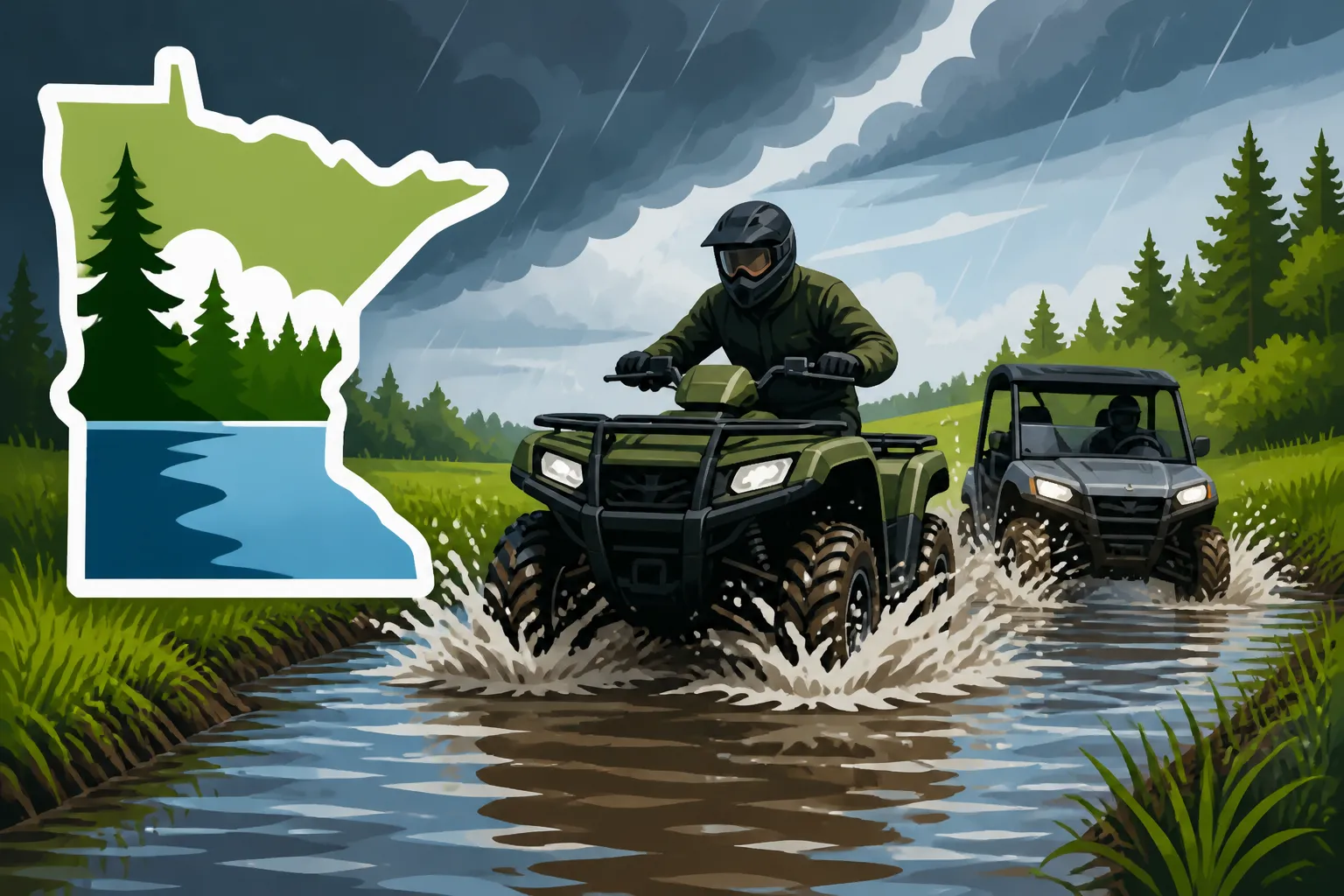
There’s nothing quite like a good Minnesota rain shower, especially after a dry spell. Our ditches get a much-needed drink, and the dust settles, making for some truly beautiful, vibrant landscapes. But for us ATV and UTV riders who love hitting those roadside rights-of-way, a heavy rain can quickly turn a familiar ditch into a murky, unpredictable obstacle course. It's frustrating when you've planned a ride, only to find your usual route is now a small river, raising questions about safety, legality, and just plain common sense. This guide is all about navigating those very real challenges of flooded ditches after a heavy rain, helping you understand the rules, the risks, and the smartest ways to enjoy our beautiful state responsibly, come rain or shine.
Understanding Minnesota's Rules on Water-Filled Ditches
When heavy rains hit Minnesota, those roadside ditches that we often rely on for ATV and UTV access can transform from grassy channels into rapidly flowing waterways. It's not just a matter of getting your boots wet; the legal implications and safety risks change dramatically when water levels rise. Minnesota has specific rules about where and how we can ride, and water is a huge factor.
Our state's regulations, particularly those enforced by the Department of Natural Resources (DNR) and local law enforcement, are primarily concerned with public safety and preventing property damage, especially to the infrastructure underneath. While riding the ditch itself is generally permitted in many areas – provided you're following rules like staying to the far right, maintaining certain speeds, and operating within approved routes – deep or flowing water introduces a whole new layer of complexity. You might remember hearing about [Minnesota's Ditch Riding Rules] or even [Minnesota Road Rules Riders Get Wrong], and these guidelines become even more critical when water is involved.
Legality of Riding Through Deep Water
The core issue here often boils down to "reasonable and prudent operation" and not damaging the public right-of-way. While there isn't usually a specific depth limit written into law for ditches, officers can cite you for reckless operation, causing damage to public property, or even violating environmental statutes if your machine's wake or passage causes erosion, undermines road surfaces, or disturbs sensitive areas. For example, churning up significant mud from a deeply flooded ditch onto the paved road could easily lead to a citation. The deeper the water, the higher the risk of being deemed in violation of operating laws designed to keep things safe and preserve public land.
Think about the culverts and drainage systems that lie beneath those ditches. Riding through deep, fast-moving water could not only be dangerous for you but could also damage those critical structures. The intent of ditch riding is usually for transit, not for recreational mud-bogging, especially when it involves potentially damaging public infrastructure. Moreover, if your machine stalls in a deep water crossing and requires recovery, you could face further penalties if the recovery process itself causes additional damage or creates a public nuisance.
DNR Enforcement and Potential Fines
Conservation officers and local deputies are out there, and they are well-versed in what constitutes safe and legal operation, even after a deluge. When they see someone attempting to navigate a ditch that is clearly overwhelmed with water, they're looking at several factors: the depth of the water, its current, visibility within the water, and the overall conditions of the surrounding area. They want to ensure riders are not creating hazards for themselves or others, or causing damage to the environment or public property.
If you are caught riding through a heavily flooded ditch where it's deemed unsafe or damaging, you could face penalties. These range from warnings to significant fines. For instance, if your actions lead to visible erosion or leave a significant mess on a roadway, the fines could easily escalate. Ignorance of the conditions isn't usually a defense. It's always your responsibility as the operator to assess the situation and make the call about whether it's safe and legal to proceed. You'll want to avoid [Minnesota Fines for Illegal Road Riding] at all costs, and deep water can definitely put you in that category. It's always best to err on the side of caution and turn back if you're unsure.
The Hidden Dangers of Flooded Ditch Riding in Minnesota
Even if you're confident in your machine and your riding skills, a flooded ditch after heavy rain presents a unique set of hazards that are far more insidious than just a puddle. What looks like a shallow wash can quickly become a deep, turbulent trench, hiding all sorts of nasty surprises. This isn't just about getting stuck; it's about potential injury, damage to your expensive machine, and even putting yourself in a truly dangerous situation.
One of the biggest issues is the sheer unpredictability of the water. Heavy rains can scour out areas, creating sudden, unexpected drops in depth or even washing away the solid ground you thought was there. This makes visibility a critical concern, or rather, the lack thereof.
Submerged Obstacles and Hidden Hazards
When water is deep and muddy, you simply cannot see what lies beneath the surface. That "puddle" could be hiding anything from rocks, branches, and old fence posts to culvert inlets, discarded tires, or even significant washouts that have created deep holes. Hitting any of these at speed, or even slowly, can lead to immediate loss of control, a sudden stop, or severe damage to your tires, suspension, or frame. Imagine striking a submerged culvert lip you couldn't see – it could bend an axle, rip off a tie-rod, or even send you over the handlebars.
Even seemingly minor obstacles become major threats under water. A small log might just bounce your machine on a dry trail, but when submerged, it can snag your wheels, flip your machine, or even damage critical undercarriage components. Furthermore, the ground itself can become incredibly soft and unstable underneath the water. What looked like a firm bank could actually be saturated, leading to a sudden slide or bogging down. This is particularly true in areas like agricultural ditches where the soil can be looser.
Machine Damage and Stalling Risks
Water and off-road vehicles don't always mix well, especially when that water is deep enough to reach vital components. Modern ATVs and UTVs are built to withstand some water, but deep submersion is another story. Your engine's air intake, exhaust, electrical system, and drivetrain vents are all vulnerable. If water gets into the airbox, it can hydro-lock the engine, causing catastrophic internal damage that can be incredibly expensive to repair. The same goes for the exhaust, which can become blocked, potentially stalling the engine or causing back pressure issues.
Beyond the engine, the electrical system is highly susceptible to water damage. Wiring harnesses, sensors, and even simple connections can corrode, short out, or fail entirely when submerged. This can lead to anything from immediate power loss to intermittent electrical problems that plague your machine for weeks or months afterward. Bearings, seals, and bushings in your wheels, suspension, and drivetrain can also be compromised by deep water, leading to premature wear and failure. Even differentials and transmissions have vents that, if submerged, can allow water intrusion, turning lubrication into a sludgy, ineffective mess. Brands like SuperATV offer specialized snorkel kits and sealed bearings to mitigate some of these risks, but even with modifications, caution is key.
| Hazard Type | Description | Potential Outcome |
|---|---|---|
| Submerged Objects | Rocks, logs, debris, culvert pipes hidden by murky water. | Sudden stops, loss of control, bent axles, punctured tires, frame damage, rider ejection. |
| Washouts/Holes | Eroded sections of the ditch creating unexpected deep spots. | Machine plunges, getting stuck, rollover risk, rider injury. |
| Strong Currents | Fast-moving water, especially in deeper channels. | Loss of traction, machine swept downstream, difficulty maintaining control. |
| Soft/Unstable Ground | Saturated soil under the water or along the banks. | Machine bogs down, getting stuck, rollover if tire digs in. |
| Engine Hydro-lock | Water enters the engine through the air intake. | Catastrophic engine failure, extremely expensive repair or replacement. |
| Electrical Failure | Water shorts circuits, corrodes connections, damages sensors. | Stalling, loss of lights, gauges, or power; costly electrical repairs. |
| Drivetrain Damage | Water enters differential or transmission vents, compromises bearings/seals. | Premature wear, component failure, costly repairs to internal moving parts. |
| Hypothermia | Rider becomes wet and cold in cool weather. | Disorientation, loss of motor skills, medical emergency, especially if stranded. |
Environmental Impact and Erosion
Beyond the direct risks to you and your machine, riding through heavily flooded ditches can have significant environmental consequences. The churning action of ATV/UTV tires through soft, saturated soil creates turbid water, stirs up sediment, and can exacerbate erosion. This can negatively impact water quality in adjacent wetlands, streams, and lakes by carrying pollutants and excessive sediment into these sensitive ecosystems. The DNR takes these impacts seriously, and repeated or widespread damage could lead to stricter regulations for all riders.
Furthermore, intentionally "mud-bogging" in these conditions can damage the very structure of the ditch itself, compromising its ability to properly drain water in the future. This could lead to bigger problems for landowners and public works departments who are responsible for maintaining these crucial drainage systems. It's an important reminder of our responsibility to ride respectfully and minimize our impact on the land.
Smart Strategies for Navigating Wet Conditions
Knowing the risks is the first step, but what do you do when you encounter a flooded ditch on your ride? It’s not always about turning back, but it is always about making smart, informed decisions. Having a plan, knowing your limits, and equipping yourself properly can make all the difference between a minor splash and a major headache.
Before you even head out, especially after a period of heavy rain, consider whether your planned route will involve known low-lying areas or sections of [Riding the Ditch of a Minnesota Right of Way] that are prone to flooding. Sometimes the best strategy is simply to pick another day or another route where the water levels have subsided.
Assessing the Water Before You Commit
Never, ever ride blindly into deep or murky water. Your eyes are your first and best defense. Before considering a water crossing, stop, get off your machine, and approach the edge on foot. Look for clear signs of current – if it's moving fast, it's probably too dangerous. Try to gauge the depth. If you have a stick or walking pole, use it to probe the bottom, feeling for submerged obstacles and judging the firmness of the ground. Pay attention to how the water flows; a calm surface might hide a deep channel, while ripples could indicate rocks or a strong current.
Look for a path where the water appears shallower or where the bottom looks more stable. Sometimes, riding the very edge of the ditch, closer to the road surface, is safer if the ditch bottom itself is deeply submerged. However, you must always be mindful of [Minnesota Rules on County Roads] regarding how close you can get to the paved or gravel surface and avoiding traffic. If you cannot clearly see the bottom, or if the water is above your machine's floorboards (for a UTV) or significantly above your footpegs (for an ATV), it's generally best to reconsider. There's no shame in turning around or finding an alternative path.
Techniques for Crossing Shallow Water Safely
If you’ve assessed the water and determined it’s shallow enough and safe to cross, there are still techniques to employ to minimize risk:
- Slow and Steady: This isn't the time for speed. Approach at a slow, consistent speed. Too fast, and you risk a large bow wave that can push water into your air intake or splash into critical electrical components. Too slow, and you might lose momentum and get stuck. A good rule of thumb is walking pace.
- Maintain Momentum: Once you start, try to maintain a steady, controlled momentum. Avoid sudden stops or sharp turns in the water.
- Keep Your Feet Up (ATV): On an ATV, keep your feet firmly on the footpegs, tucked against the machine. Dabbing a foot down in moving water can easily pull you off balance or lead to injury if your foot gets caught.
- Know Your Machine's Limits: Understand where your air intake and exhaust are located. If the water is approaching these points, you are pushing your luck. Some riders install snorkel kits, often from companies like SuperATV, to raise these critical intake points, but even with these, caution is paramount.
- Look Beyond the Water: Focus on where you want to go, not just the water directly in front of your tires. This helps you maintain a straight line and anticipate the exit.
Always remember that even shallow water can hide surprises. It’s better to be overly cautious than to regret a risky decision.
When to Turn Back and Find an Alternate Route
The most important strategy for navigating flooded ditches is knowing when to say "no." If the water looks too deep, is flowing too fast, or you simply can’t see what’s beneath the surface, turn back. Your safety and the integrity of your machine are far more important than making it to the end of a particular trail.
Consider these scenarios as definite turn-back points:
- Water Above Your Knees (for an ATV rider standing on pegs) or Above Your UTV Floorboards: This is generally too deep for safe crossing without specialized modifications and high risk of engine/electrical damage.
- Strong Current: If the water is moving fast enough to feel a pull on your stick or walking pole, it can easily sweep your machine off course or destabilize it, especially if you're [Crossing a Culvert on a Minnesota Ditch Ride].
- Uncertain Bottom: If probing the bottom reveals soft mud, large unseen obstacles, or a sudden drop-off, don't risk it.
- Visibility Zero: If the water is so murky you can't see even a few inches down, you have no idea what you're driving into.
- Approaching Darkness: Don't attempt risky water crossings as daylight fades. All the dangers mentioned are amplified in low light.
Sometimes, an alternate route might mean riding a short section of the main road (where permitted and safe) to bypass the flooded area, or simply taking a detour through an adjacent field if you have landowner permission. Always prioritize safety and legality over convenience. Remember, there's always another day to ride, and plenty of other fantastic routes in Minnesota to explore, even if you have to temporarily avoid areas affected by [Spring Thaw and Minnesota Ditch Damage] or [Mud on a Township Road in April].
Preparing Your Machine for Minnesota's Soggy Seasons
Minnesota weather is famously unpredictable. One day it's dry and dusty, the next you're splashing through puddles that seem to have come out of nowhere. If you plan on riding throughout the year, especially during our wetter seasons or after a big rain, preparing your ATV or UTV for these conditions is just smart ownership. It can significantly reduce the risks of machine damage and make your ride safer and more enjoyable, even when the ditches are looking a bit swollen.
Essential Modifications for Water Protection
While no modification makes your machine truly "submarine-proof," several upgrades can greatly improve its resilience to water:
- Snorkel Kits: This is one of the most common and effective modifications for riders who anticipate deep water. A snorkel kit reroutes your engine's air intake and CVT (Continuously Variable Transmission) exhaust/intake lines to a much higher point on the machine, often near the handlebars or roofline. This drastically reduces the chance of water entering critical systems. High-quality kits, like those offered by SuperATV, are designed specifically for different machine models, ensuring a proper fit and seal.
- Dielectric Grease: This inexpensive but vital product should be applied to all electrical connections, especially those that might be exposed to water. It helps prevent corrosion and shorts by creating a waterproof barrier.
- Sealed Bearings: Many stock wheel and suspension bearings have basic seals. Upgrading to fully sealed or heavy-duty marine-grade bearings can significantly extend their life by keeping water and grit out, which is especially important for [Winter Road Riding in Minnesota] where salty slush can be an issue.
- Skid Plates and A-Arm Guards: While primarily for impact protection, a robust set of full-coverage skid plates can also help deflect water and debris away from vital undercarriage components, offering a layer of protection against hidden obstacles in murky water.
- Winches: A reliable winch is a must-have for any serious off-road rider, and especially so when dealing with wet, slippery, or submerged conditions. If you do get stuck in a flooded ditch, a winch can be your only way out. Ensure your winch is waterproof or at least highly water-resistant.
Pre-Ride Checks for Wet Weather Riding
Even with a modified machine, a thorough pre-ride check is crucial before heading out after heavy rains.
- Check Your Tires: Ensure your tires are in good condition with adequate tread. Mud and water require good traction. Check tire pressure, as proper inflation is key for stability.
- Inspect Electrical Connections: Quickly check for any loose wires or exposed connections. A quick visual inspection and perhaps a spray with a water-displacing lubricant on easily accessible points can help.
- Brake Functionality: Test your brakes before you hit any challenging terrain. Wet brakes can perform differently, and you need to know what to expect.
- Fluids: Briefly check your oil, coolant, and brake fluid levels. Contaminated fluids can indicate past water intrusion, and you definitely want these at proper levels before a wet ride.
- Snorkel System (if installed): If you have a snorkel, ensure all connections are tight and sealed. A leak in a snorkel system can be worse than no snorkel at all.
Post-Ride Maintenance After Wet Rides
The work isn't over when the ride is. Proper post-ride maintenance after a wet or muddy adventure is critical to extending your machine's life:
- Wash Your Machine Thoroughly: Remove all mud, dirt, and debris. Pay special attention to the undercarriage, suspension components, and engine area. Pressure washing is effective, but be careful not to blast directly into seals or electrical components.
- Inspect for Water Intrusion: Check your airbox for any signs of water. If you find water, you'll need to immediately inspect your engine oil for milky discoloration (a sign of water contamination) and change it if necessary.
- Lubricate: Grease all fittings, pivots, and joints. Water washes away grease, and you need to replenish it to prevent rust and wear.
- Check Fluids Again: After washing and drying, recheck your engine oil, differential fluids, and transmission fluid for any signs of water contamination (milky appearance). Change any contaminated fluids immediately.
- Brake Inspection: Clean and inspect your brake pads and rotors. Remove any grit that might have gotten lodged.
- Electrical Dry-Out: Allow your machine to thoroughly dry. You can use an air compressor to blow water out of nooks and crannies. If you suspect electrical issues, disconnect the battery for a short period and allow components to dry.
By taking these proactive steps and practicing smart riding habits, you can confidently navigate Minnesota's roadsides, even when the weather throws a curveball and those ditches are running high.
Disclaimer
This article is for general informational purposes only and does not constitute professional advice. Laws, prices and regulations vary by location and change over time. Consult a qualified professional for guidance on your specific situation.