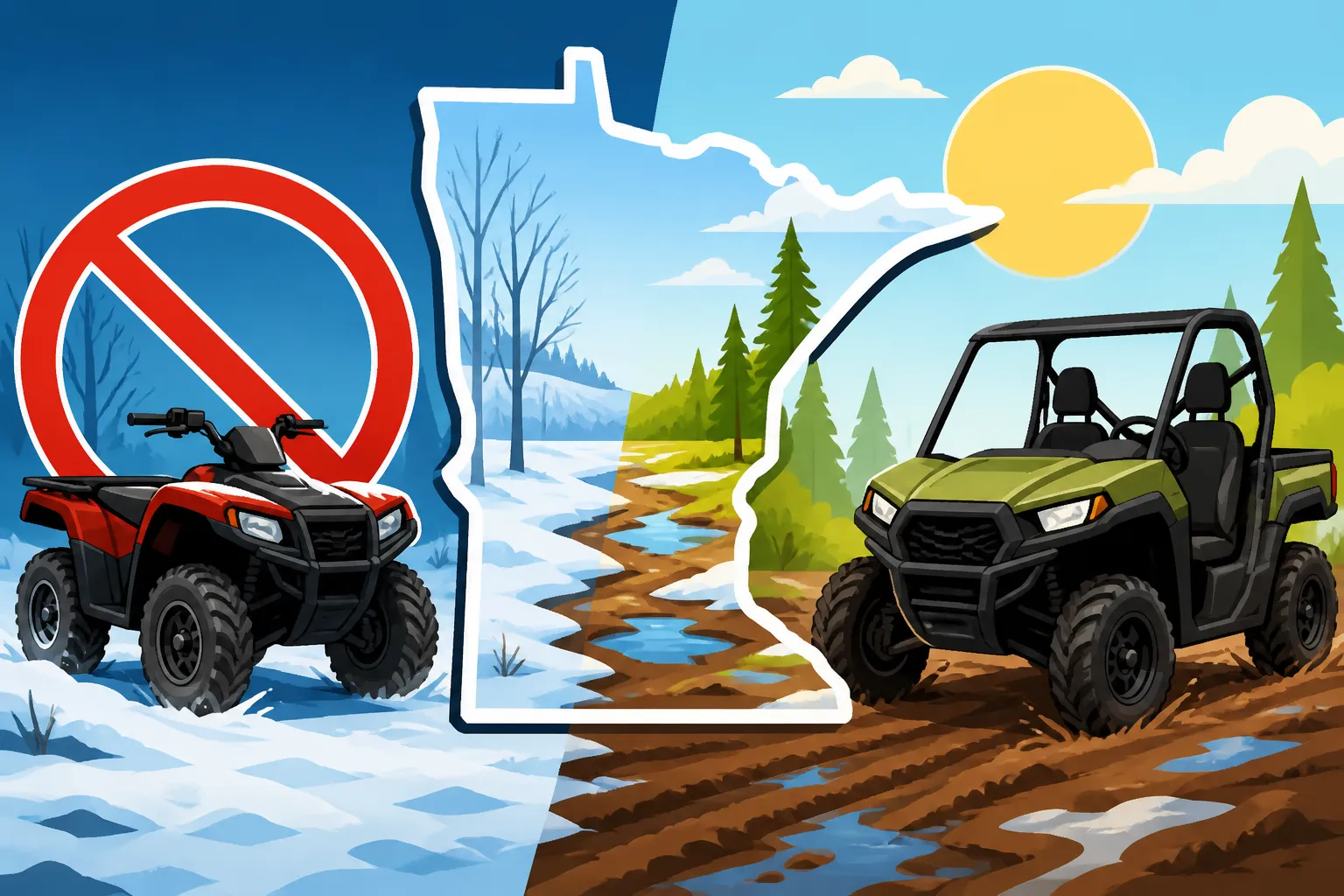
Minnesota Road Restrictions During Spring Thaw
Ah, spring in Minnesota! It brings longer days, melting snow, and the promise of warmer weather, which for many of us means itching to get back out on the trails or even just cruise the backroads on our ATVs and UTVs. But that beautiful thaw also brings a hidden challenge: road restrictions. You see, after a long, cold winter, the ground beneath our roads becomes incredibly saturated and soft, making them vulnerable to heavy vehicles. Ignoring these restrictions can lead to hefty fines, damaged infrastructure, and even putting yourself in a sticky, muddy situation. This guide will walk you through what these spring thaw road restrictions are all about, why they're so important for off-highway vehicle owners in Minnesota, and how you can navigate them responsibly to protect both your machine and our precious roads and trails.
Understanding Minnesota's Spring Thaw Road Restrictions
When the snow finally melts and the temperatures rise above freezing, it's easy to assume that everything is good to go for riding. However, below the surface, our roads are still recovering from winter's deep freeze. This critical period, known as spring thaw, brings specific restrictions designed to protect the integrity of our roadways and prevent costly damage. It’s not just for big semi-trucks; these rules can absolutely affect how and where you can ride your ATV or UTV.
The Science Behind the Softening: Why Roads Get Weak
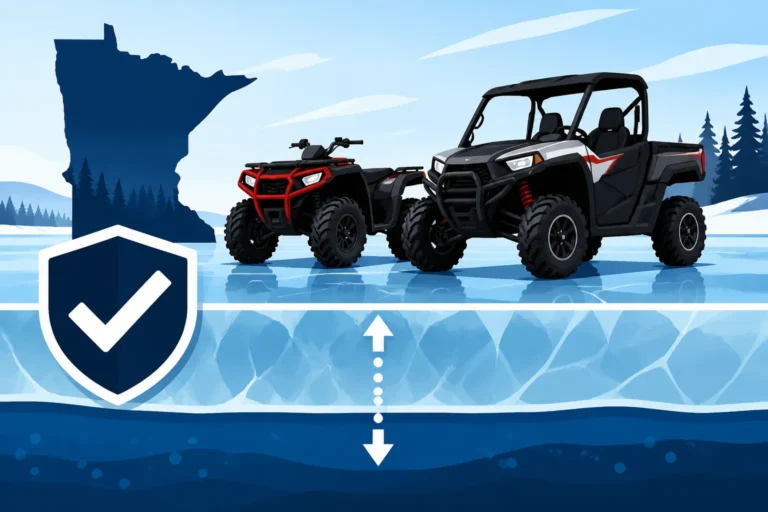
Imagine a giant freezer chest that's been running all winter. That's essentially what happens to the ground under Minnesota's roads. The frost line can penetrate several feet deep, freezing the moisture in the soil. When spring arrives, the surface thaws first, but the deeper ground remains frozen. This creates a sort of "sandwich" effect: thawed, wet soil on top, still-frozen soil below, and often an impermeable layer of clay or rock at the bottom. The meltwater from the surface has nowhere to drain, saturating the soil directly beneath the road's pavement or gravel.
This waterlogged condition drastically reduces the load-bearing capacity of the road. The aggregate base material, which is usually quite strong, turns into a muddy, unstable mess. When heavy vehicles — and yes, an ATV or UTV, especially a larger side-by-side loaded with gear, can exert significant pressure on a compromised surface — drive over these weakened sections, they can cause permanent damage like potholes, ruts, and even complete structural failure of the road. It's not just an inconvenience; it's about preventing long-term, expensive problems.
Types of Restrictions: Seasonal Load Limits and Weight Embargoes
During spring thaw, you'll hear terms like "seasonal load limits" or "weight embargoes." These are not just fancy phrases; they are direct commands from local authorities. Seasonal load limits mean that the maximum weight a vehicle can carry on certain roads is significantly reduced. For example, a road that might normally allow 80,000-pound trucks could be restricted to just 10,000 pounds per axle. While your ATV or UTV certainly doesn't weigh that much, these restrictions signal that the road's foundation is compromised and even lighter vehicles can contribute to damage if ridden carelessly.
Weight embargoes can be even stricter, often completely prohibiting certain classes of vehicles or imposing very low gross vehicle weight limits. These rules are most commonly applied to township and county roads, which are often less robustly constructed than state highways. You might see signs posted at the entrance to these roads, or notices on local government websites. Ignoring these can lead to immediate citations and penalties, which nobody wants when they're just trying to enjoy a ride.
Who Imposes These Rules and Why They Matter
These crucial restrictions are put into place by various governmental bodies across Minnesota. The Minnesota Department of Transportation (MnDOT) manages restrictions on state highways and trunk roads, but it's often your local county engineers and township boards who oversee the vast network of rural roads that ATV and UTV riders frequent. These officials monitor weather patterns, ground temperatures, and soil conditions to determine when the restrictions need to go into effect and when they can be lifted.
The reason these rules matter so much isn't just about avoiding a ticket; it's about protecting the very infrastructure that allows us to live, work, and recreate in our communities. Damaged roads require expensive repairs, often funded by local taxpayers. When an ATV or UTV causes damage by riding on a restricted road or shoulder, it undermines the efforts of these agencies and the tax dollars that maintain our roads. It's a matter of responsible land use and good stewardship, ensuring that our trails and roads remain accessible for everyone in the long run.
How Spring Thaw Directly Impacts ATV and UTV Riding
For those of us who love to hit the trails and backroads, spring thaw isn't just a concern for truckers. It has a very real, very direct impact on where and how we can enjoy our machines. What might seem like a minor inconvenience for cars can be a significant hazard and legal problem for an off-highway vehicle. Understanding these impacts is key to avoiding trouble.
The Ditch Riding Dilemma: When Your Go-To Route Becomes a No-Go
Many Minnesota ATV and UTV riders utilize the public road right-of-way, specifically the ditches, as permitted routes to connect trails or access certain areas. It's a common and often legal practice, but during spring thaw, these ditches become incredibly vulnerable. The same waterlogged conditions that weaken the roadbed make the shoulders and ditches incredibly soft, muddy, and easily rutted. What was a firm, grassy path in the fall can become a deep, tire-sucking bog in the spring.
Riding through these saturated ditches not only risks getting your machine hopelessly stuck, but it can also cause severe erosion and damage to the ditch itself. This damage can impede water flow, create safety hazards for other users, and lead to significant repair costs for townships and counties. Even if the main road surface doesn't have an explicit weight restriction that applies to your ATV, the ditches are almost universally considered too fragile for motorized use during this period. Ignoring the softness of the ground is a quick way to find yourself in a bind, and potentially facing a citation for damaging public property or riding outside of [Minnesota's Ditch Riding Rules].
Trail Access and Closures: State Forests and Grant-in-Aid Systems
It's not just public roads and their ditches that are affected; many of our beloved state forest trails and grant-in-aid trail systems also implement closures during spring thaw. These trails, often built with compacted gravel, dirt, and natural surfaces, are even more susceptible to erosion and rutting than paved roads. When the ground is saturated, even the relatively light weight of an ATV or UTV can dig deep ruts, especially in corners or on inclines.
The Minnesota DNR and local trail clubs work tirelessly to maintain these trails, and riding on them when they are soft can undo months or even years of effort in a single afternoon. Deep ruts can become permanent hazards, and erosion can lead to trail instability, requiring extensive and costly repairs. This is why you'll see [Minnesota Trail Closures in Spring Thaw] notices issued, often for entire state forests or specific trail segments. These closures are put in place to protect the natural environment and ensure the long-term sustainability of our riding opportunities. It's essential to respect these closures; remember, we want to keep these trails open for everyone for years to come. Checking for [Minnesota Trails Close for Thaw] is always a good practice before heading out.
Unexpected Challenges: Soft Shoulders and Road Surface Damage
Even if you're not intentionally riding in the ditch, the spring thaw presents other challenges. Pulling off to the side of a road, even for a moment, to consult a map or just take a break, can be problematic. The shoulders of paved roads can be just as soft and unstable as the ditches, leading to your tires sinking and potentially getting stuck. This isn't just an inconvenience; it can create a safety hazard, especially if you're close to moving traffic.
Furthermore, driving on paved or gravel roads that are under load restrictions can contribute to surface damage. While an ATV might not cause the same type of deep ruts a semi-truck would, the combined effect of many lighter vehicles on a severely weakened roadbed can accelerate pothole formation or gravel displacement. Choosing appropriate tires for mud and soft ground, perhaps durable options you might find from a company like SuperATV, is always smart for varied terrain, but even the best tires won't prevent damage if the underlying road structure is too weak. The key takeaway here is that during spring thaw, caution is paramount, and assuming any ground off the main travel lane is firm is a dangerous gamble.
Navigating the Spring Thaw Season Responsibly
Spring thaw isn't a time to throw caution to the wind. It requires a mindful approach to riding, prioritizing safety, environmental protection, and respect for public infrastructure. By taking a few proactive steps, you can avoid trouble and still find ways to enjoy your machine when conditions allow.
Checking Conditions Before You Ride: Your Due Diligence
Before you even load your ATV or UTV onto the trailer, it is absolutely crucial to check for current road and trail restrictions. This isn't a suggestion; it's a necessity for responsible riding. Many local governmental bodies, including county highway departments and township offices, post spring load limit maps and updates on their websites. The Minnesota Department of Transportation (MnDOT) also has a dedicated website for statewide load limit information, though this often focuses on larger vehicles, it still signals overall ground conditions.
For state forest and grant-in-aid trails, the Minnesota DNR website is your go-to source. They will post alerts and closures, often by specific trail name or forest unit. Don't rely on last year's knowledge or hearsay; conditions can change rapidly depending on the severity of the winter and the speed of the spring warm-up. A simple online search for "[county name] spring load limits" or "Minnesota DNR ATV trail closures" before you leave can save you a lot of hassle and potential fines. This is a vital step in [Checking Minnesota Trail Status Before You Drive].
| Source for Restrictions | What They Cover | Where to Find Information |
|---|---|---|
| MnDOT | State Highways & Trunk Roads, General Statewide Conditions | MnDOT website (look for "Seasonal Load Limits" or "Road Restrictions") |
| County Highway Depts. | County Roads, Road Right-of-Way, Ditch Riding | Individual county websites (often under "Highway Department" or "Public Works") |
| Township Boards | Township Roads, Local Rural Roads, Ditch Riding | Individual township websites or posted notices at township halls/road entrances |
| Minnesota DNR | State Forest Trails, Grant-in-Aid ATV Trails | DNR website (look for "OHV Trail Conditions" or "Trail Closures") |
| Local Sheriff/Law Enforcement | General local conditions, enforcement information | Non-emergency lines, local news outlets, community social media groups (unofficial but informative) |
Alternative Riding Opportunities (If Any)
Given the widespread restrictions, you might be wondering if there's any legal riding to be had during spring thaw. The options are often limited, but not entirely non-existent. The safest and most responsible bet is to ride on private land with express permission from the landowner, provided that riding there won't cause damage. If you have a friend or family member with acreage, and the ground is firm enough to support your machine without rutting, that can be a great option. Always ask permission first and stick to designated areas. [Riding a Friend's Property in Minnesota] is a privilege, so treat their land with respect.
Some private OHV parks or dedicated riding areas might have surfaces that are more resilient to wet conditions, such as heavily rocky terrain or specifically designed mud pits, but these are rare exceptions in Minnesota during the deep thaw. For the most part, patience is the biggest virtue during this time. Remember, temporary restrictions are in place to ensure we have healthy, usable trails and roads for the rest of the season.
Essential Gear and Machine Prep for Wet Conditions
If you do find a legal and safe place to ride during the spring thaw, or if you plan to be out immediately after restrictions lift, preparing your machine for wet and muddy conditions is paramount. First and foremost, consider your tires. Aggressive tread patterns designed for mud, often found on aftermarket options from brands like SuperATV, can provide crucial traction in soft conditions. However, even the best mud tires won't prevent damage if the ground is too saturated.
Beyond tires, always carry a winch and appropriate recovery gear, like a tree saver strap and D-rings. Getting stuck in mud is a common occurrence during spring thaw, and having the means to recover your machine safely is essential. A good set of waterproof riding gear is also a must-have to stay comfortable and prevent hypothermia from wet clothes. While these preparations can help you navigate challenging conditions, they should never be an excuse to ignore posted restrictions or ride on visibly damaged or overly soft ground. Responsible riding means minimizing your impact, not just having the gear to get out of trouble after you've made a mess.
Beyond the Thaw: The Aftermath and Future Riding
The spring thaw is a temporary but critical period that requires our patience and cooperation. Understanding its consequences and preparing for the season ahead ensures that we can continue to enjoy our ATVs and UTVs for many years to come.
The Cost of Disregard: Penalties and Environmental Damage
Ignoring spring thaw restrictions comes with a steep price, both for your wallet and our shared environment. Law enforcement, including local sheriff's deputies and DNR conservation officers, actively patrol during this period to enforce restrictions. Fines for riding on restricted roads, damaging ditches, or accessing closed trails can be substantial, often ranging from hundreds to even thousands of dollars, plus potential charges for property damage. These aren't just minor tickets; they can put a serious damper on your riding budget and record. [Minnesota Penalties for Reckless Riding] and [Fines for Riding Minnesota Unregistered] (though your machine might be registered, riding on a closed route is still illegal) are a very real possibility.
Beyond the legal ramifications, the environmental damage caused by riding on soft ground is long-lasting. Deep ruts destroy vegetation, accelerate erosion, and can contaminate waterways with sediment. It also leads to significant work for volunteer trail clubs who then have to spend countless hours and dollars repairing what was damaged. Every time a rider ignores these rules, it fuels arguments against motorized access and makes it harder for everyone to enjoy the trails we all love.
When Do Restrictions Lift? Patience is a Virtue
The big question everyone asks is: When can I finally ride? Unfortunately, there's no single, set date for when spring thaw restrictions lift across Minnesota. It's a localized and fluid situation, highly dependent on weather patterns. Generally, restrictions begin to lift from south to north, as the southern parts of the state warm up sooner. However, a late-season cold snap or heavy rains can prolong the thaw in any area.
County highway departments and MnDOT will announce when their respective roads are open again, and the DNR will update trail statuses. Typically, you'll see a gradual lifting of restrictions throughout April and into May. Some northern trails might not fully open until late May or even early June. The best advice is to remain patient and diligently check official sources. Don't rely on guesswork. Being a week or two late to the trails is far better than incurring a fine or damaging a trail that will then need to be closed for extensive repairs. Look for updates on [When Minnesota Trails Open Each Spring] and [Minnesota Trails Open in May].
Preparing for Next Season: Proactive Steps
Even as you navigate the current spring thaw, it's a good time to think proactively about future seasons. For those who can't stand the thought of a long off-season, consider investing in track kits for your ATV or UTV. Products from companies like SuperATV offer track systems that can transform your machine for deep snow, often allowing for winter riding in areas where wheeled vehicles would be impossible. This might not directly help with spring thaw, but it opens up new winter possibilities and reduces the frustration of waiting for spring. [Minnesota Rules for a Machine on Tracks] might be worth reviewing if you go this route.
Also, consider what you learned from this thaw. Did you struggle with traction on soft ground? Perhaps it's time to upgrade your tires. Did you get stuck and wish you had a winch? Add it to your list. Regular maintenance, especially cleaning and inspecting your machine after any wet or muddy ride, will also extend its life and performance. By planning ahead and equipping your machine appropriately, you can minimize the impact of future thaws and maximize your safe, responsible riding enjoyment throughout the rest of the year.
Disclaimer
This article is for general informational purposes only and does not constitute professional advice. Laws, prices and regulations vary by location and change over time. Consult a qualified professional for guidance on your specific situation.