After a Crash in a Minnesota Ditch
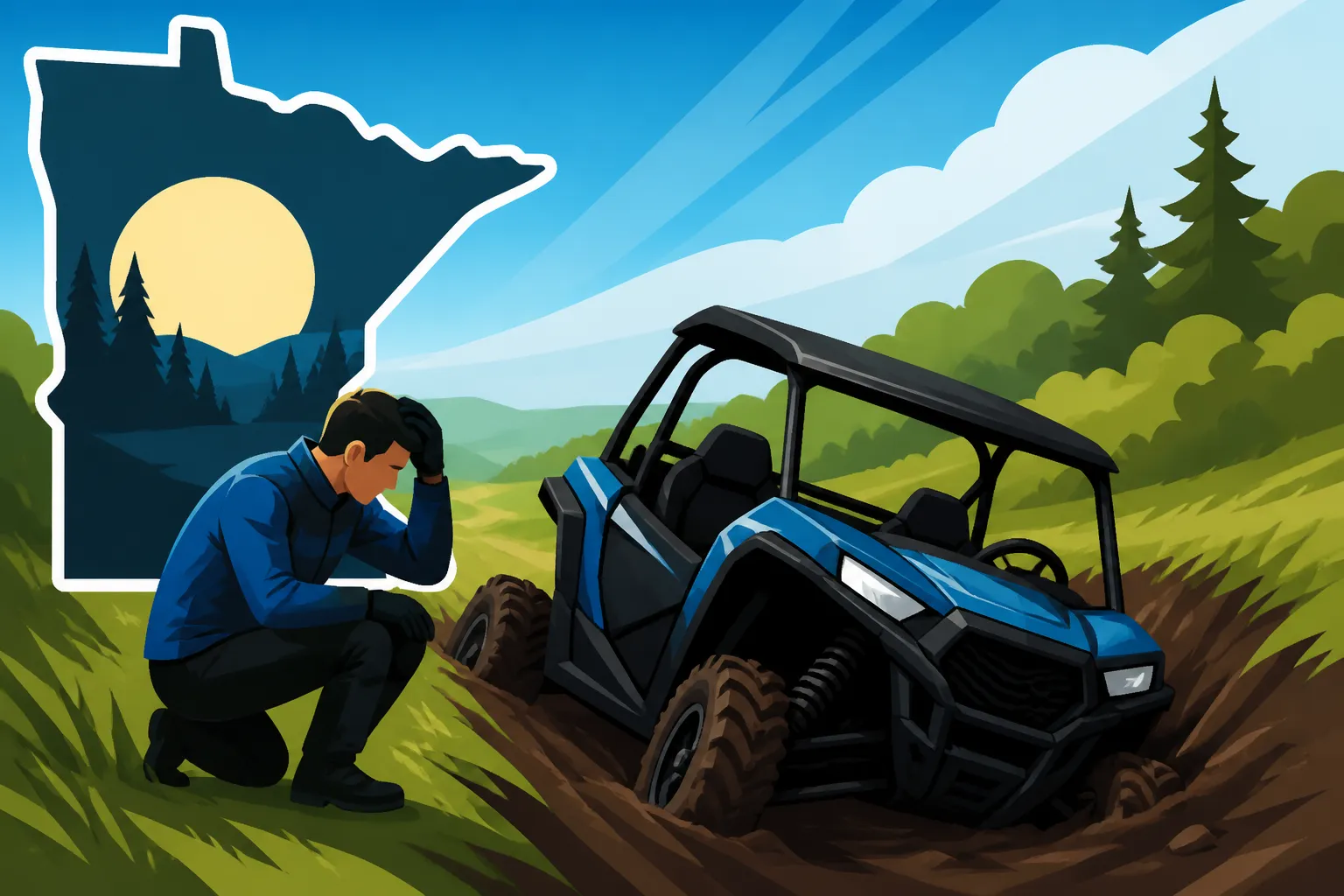
There’s nothing quite like the sudden, stomach-dropping lurch when your ATV or UTV takes an unexpected dive into a Minnesota ditch. One minute you’re enjoying the ride along a gravel road right-of-way, and the next you’re wrestling your machine, or worse, finding yourself shaken up on the ground. It’s a moment of shock, frustration, and often, immediate confusion about what comes next. This guide is here to walk you through the essential steps, from ensuring everyone's safety to navigating the tricky waters of reporting the incident and dealing with potential damages and claims.
The Immediate Aftermath: Prioritizing Safety and Assessment
When your machine ends up in a ditch, whether it's a rollover, a slide-out, or an impact, the first few minutes are critical. Your adrenaline will be pumping, and it can be hard to think clearly. Taking a moment to assess the situation calmly, even if it feels impossible, is paramount for your safety and the safety of anyone else involved. It’s not just about the machine; it’s about the people.
Checking for Injuries and Ensuring Personal Safety
Immediately after the impact, before you even think about the machine, check yourself and any passengers for injuries. Even minor bumps can mask something more serious due to the shock. Are you bleeding? Do you have any sharp pains? Can you move all your limbs? Ask your passengers the same questions. If anyone is seriously injured, do not attempt to move them unless they are in immediate danger, such as from fire or oncoming traffic. Call for emergency medical assistance right away.
Beyond immediate injuries, consider your surroundings. Are you in a blind spot on a busy road? Is there any potential for spilled fuel? The ditch itself might have hazards like sharp debris, water, or unstable ground. It's easy to get tunnel vision on the damaged machine, but your personal safety, and that of anyone with you, must always be the top priority. Think about getting to a safe, visible location, even if it means stepping away from your quad for a few moments.
Once you’ve established that everyone is as safe as possible from immediate harm, take a deep breath. The panic can set in, especially when you see your beloved machine bent out of shape. But remember, things can be fixed or replaced, people cannot. This initial assessment is the foundation for everything else that follows, and doing it carefully can prevent further complications.
Securing the Scene and Preventing Further Harm
After checking for injuries, your next step is to secure the accident scene. This means making it visible to others, especially if you’re near a road or trail where other riders or vehicles might pass. If your machine is still running, turn off the engine to prevent further damage or fire hazards. If it’s safe to do so, engage the parking brake.
Consider placing any emergency triangles or flares if you have them, especially at night or in low visibility. If you’re on a public road right-of-way, other vehicles might not expect an obstruction in the ditch. If your machine is blocking any part of the road or trail, and it's safe to move, try to shift it to a less obstructive position. However, if moving it poses a risk to you or could worsen the damage for an insurance claim, it might be better to leave it in place and focus on making the area visible.
Think about how you would approach this area if you were another rider or driver. What would you need to see to avoid further incident? This step isn't just about protecting your machine from more damage; it's about protecting others who might not realize there's an accident scene ahead.
Documenting the Accident: Photos and Witness Information
Once the immediate safety concerns are addressed, it’s time to start gathering information. This is where your smartphone becomes your best friend. Take copious photos and videos of everything. Start with wide shots of the overall scene, showing the machine's position relative to the ditch, the road, and any landmarks. Then move in for close-ups of all damage to your ATV or UTV – bent rims, cracked plastics, broken lights, fluid leaks, and any impact points. Don’t forget to photograph the ground condition, any tire tracks, and anything in the ditch that might have contributed to the crash, like rocks, ruts, or debris.
The more detailed your documentation, the better. Photos are objective evidence and can be invaluable when dealing with insurance companies or law enforcement. It's often helpful to take photos from multiple angles, even if they seem redundant, as they can reveal details you might miss in the heat of the moment. [Minnesota ATV Crash Reporting] emphasizes the importance of good documentation.
If there were any witnesses, politely ask for their contact information. A name, phone number, and email address can be incredibly helpful later if there are conflicting accounts or questions about the incident. Even if they only saw the aftermath, their testimony can corroborate your story. Often, in the ditch along a township road, a passing motorist might stop to help, and their observations could be crucial.
Who to Call and When: Reporting Your Minnesota Ditch Crash
After you’ve secured the scene and gathered initial documentation, the next step is to report the incident to the appropriate authorities and your insurance company. This is not always a straightforward process, and who you call can depend on the severity of the crash, whether others were involved, and the location.
Contacting Law Enforcement or the DNR
Knowing when to call 911 or the local sheriff's department versus the Department of Natural Resources (DNR) can be confusing. If there are serious injuries, substantial property damage, or if another vehicle or person was involved, immediately call 911. They will dispatch medical help, law enforcement, and potentially fire services. A police report is essential in these situations, as it provides an official record of the event.
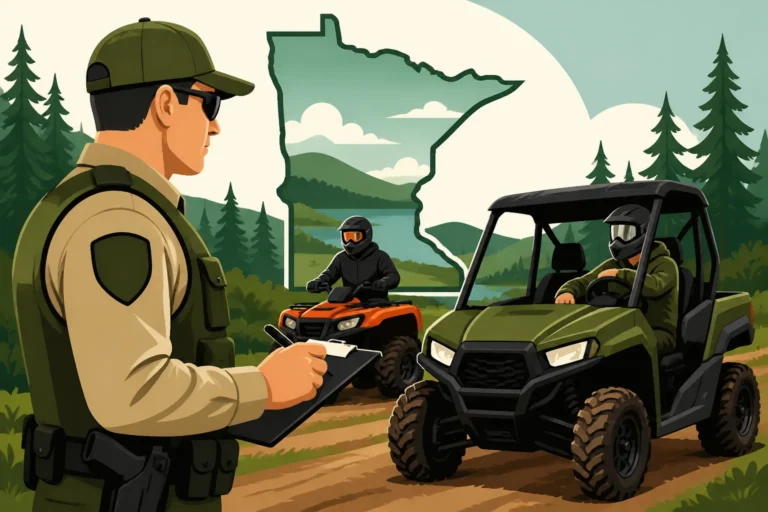
If the crash is minor, involves only your machine, and there are no serious injuries or other parties, you might wonder if calling law enforcement is necessary. However, many states, including Minnesota, have requirements for reporting accidents involving off-highway vehicles, especially if they result in certain levels of property damage or any injury, even if minor. It's always a good idea to contact local law enforcement (sheriff's office or state patrol) to ask if a report is required. They might direct you to the DNR if you were on a designated trail, or they might send an officer to document it themselves, particularly if it's on a road right-of-way where cars also travel. [What a Minnesota Conservation Officer Asks For] will give you insight into what kind of information they'll be looking for.
Even if a report isn't legally required for minor incidents, having an official record can be incredibly beneficial for your insurance claim. It establishes the date, time, and location of the incident, and can confirm that you weren't under the influence or engaged in illegal activity like [Minnesota Penalties for Reckless Riding].
Notifying Your Insurance Provider
This is a step many people dread, but it's crucial. As soon as practically possible, notify your ATV or UTV insurance provider about the accident. Even if you're unsure whether you'll file a claim, it's best to inform them promptly. Most policies require you to report accidents within a certain timeframe. Delaying could jeopardize your claim.
When you call, have all your gathered information ready: photos, witness contacts, and details about what happened. They will likely ask a lot of questions about the circumstances of the crash, the extent of the damage, and any injuries. Be honest and factual. This is where your thorough documentation really pays off. Your insurer will explain your coverage options, whether it’s collision, comprehensive, or liability, and guide you through the claims process. [Insuring an ATV in Minnesota] is a good resource to understand your policy.
Remember, your insurance company is there to help you navigate the financial aftermath, but you need to provide them with the information they need. Don't be surprised if they also ask about your use of the machine on a road right-of-way, as the rules for [Riding the Ditch of a Minnesota Right of Way] can sometimes be a factor in claims.
When a Tow or Recovery is Needed
If your ATV or UTV is damaged to the point where it can’t be ridden or safely moved, you’ll need a plan for recovery. This can be tricky, especially if you're in a remote ditch. If you have roadside assistance through your insurance or a separate membership (like AAA or through your dealer), call them first. They can arrange for a specialized tow. Standard tow trucks might struggle with an ATV or UTV stuck deep in a muddy ditch.
Sometimes, especially in more rugged terrain or deep mud, you might need recovery equipment. Maybe you carry a winch or recovery straps. This is where products from brands like SuperATV, known for their robust winches and recovery gear, can literally pull you out of a tough spot. If you’re with other riders, they might be able to help with their own machines or recovery gear. Be extremely cautious when attempting self-recovery; improper techniques can cause more damage to your machine or, worse, serious injury to yourself or others.
If professional recovery is necessary, ask about the costs upfront. Sometimes, your insurance policy might cover recovery, especially if it's part of your collision coverage. If not, be prepared for out-of-pocket expenses. Getting your machine safely out of the ditch and to a repair shop or your home is the immediate physical challenge after the crash.
Understanding Liability and Your Options for Repair
One of the most stressful parts of any accident is figuring out who is responsible and how the damage will be paid for. A crash in a ditch can sometimes feel straightforward if you’re the only one involved, but even then, there are nuances to consider regarding your insurance and potential costs.
Determining Fault in a Ditch Accident
In a single-vehicle accident, where only your ATV or UTV is involved in the ditch, fault generally lies with the operator – that's you. However, there can be contributing factors that might slightly shift how your insurance processes things or even if another party could be held partially responsible. For instance, if the ditch had an unmarked, dangerous hazard that was negligently maintained by a municipality, or if a defect in your machine (not due to operator error) caused the crash, those could be considered. These are rare and often difficult to prove, but they exist.
If another vehicle or ATV caused you to swerve into the ditch, then the fault determination becomes more complex, involving an investigation by law enforcement and insurance adjusters. They will look at witness statements, physical evidence, and potentially traffic laws. [Who Pays After a Minnesota ATV Collision] delves into these situations more deeply. If you were crossing a road and another driver didn't yield, for example, that could shift liability.
For the most common scenario – you simply misjudged a turn, hit an unseen rut, or lost control – the fault is likely yours. This doesn't necessarily mean you're out of luck, especially if you have the right insurance coverage, but it's important to understand this distinction as it impacts how claims are handled.
Navigating Your Insurance Claim
Once you’ve reported the crash to your insurer, they'll assign an adjuster to your case. The adjuster will review your photos, any police reports, and possibly inspect your damaged machine. Their job is to determine the extent of the damage, assess the cost of repairs, and confirm coverage based on your policy. This is why all that detailed documentation you collected at the scene is so critical – it helps the adjuster understand what happened without having to rely solely on your memory.
Your policy's collision coverage is what typically kicks in for damage to your own machine in an at-fault accident. You'll likely have a deductible, which is the amount you pay out of pocket before your insurance starts to cover the rest. If your machine is severely damaged and the cost of repairs exceeds its actual cash value, your insurer might deem it a "total loss" and offer you a settlement for its value, minus your deductible. [Minnesota ATV Insurance Cost] can vary greatly depending on the coverage you choose, which directly impacts how much your insurer will pay out in a claim.
If injuries were sustained, your medical payments coverage or personal injury protection (PIP) might help with medical bills, regardless of fault. If another party was at fault, their liability insurance would come into play to cover your damages and medical expenses. This process can be slow, requiring patience as the adjuster works through all the details.
Potential Costs and Out-of-Pocket Expenses
Even with insurance, a ditch crash can come with unexpected costs. Your deductible is the most obvious one. Beyond that, if your machine is totaled, the settlement amount might not be enough to buy a brand new replacement, especially if you had a lot of aftermarket accessories like a custom suspension or specialized recovery gear from SuperATV that weren't explicitly itemized in your policy.
You might also face costs for towing and recovery if it wasn't covered by your policy. If your machine is repairable, there could be hidden damage discovered only once a mechanic starts working on it, which could push the repair costs up. Sometimes, you might opt to pay for minor repairs out of pocket rather than filing a claim, particularly if the damage is less than your deductible, or if you're concerned about your premium increasing.
Another consideration, especially if you're injured, are medical co-pays or deductibles before your health insurance kicks in. [Minnesota ATV Injury Claims] can be complex, and you might have out-of-pocket medical expenses even with good coverage. Thoroughly review all bills and communicate closely with your insurance providers to understand what is covered and what you might be responsible for.
Below is a helpful table outlining the key information you should strive to gather after any ATV or UTV incident in a Minnesota ditch:
| Category | Specific Information to Collect |
|---|---|
| Personal & Machine Details | Your full name, contact info, insurance policy number |
| ATV/UTV make, model, year, VIN, license plate/registration number | |
| Incident Details | Date, time, exact location (mile marker, cross streets, GPS coords) |
| Brief description of what happened | |
| Damage Documentation | Photos/videos of machine damage (multiple angles, close-ups) |
| Photos/videos of the ditch, road, tire marks, ground conditions | |
| Photos/videos of any contributing factors (debris, hazards) | |
| Third-Party Information | Name, contact, insurance of other operators/owners (if applicable) |
| Vehicle/machine details of other parties | |
| Witness Information | Name, contact info for any witnesses |
| Brief statement from witness if possible | |
| Official Reports | Police report number, agency, officer name (if applicable) |
| DNR report number, warden name (if applicable) | |
| Recovery Services | Name of tow company, contact, cost, invoice number |
A ditch crash is never a fun experience, but being prepared and knowing these steps can significantly reduce the stress and help you navigate the process more smoothly. Stay safe out there!
Disclaimer
This article is for general informational purposes only and does not constitute professional advice. Laws, prices and regulations vary by location and change over time. Consult a qualified professional for guidance on your specific situation.