A DWI on an ATV in Minnesota
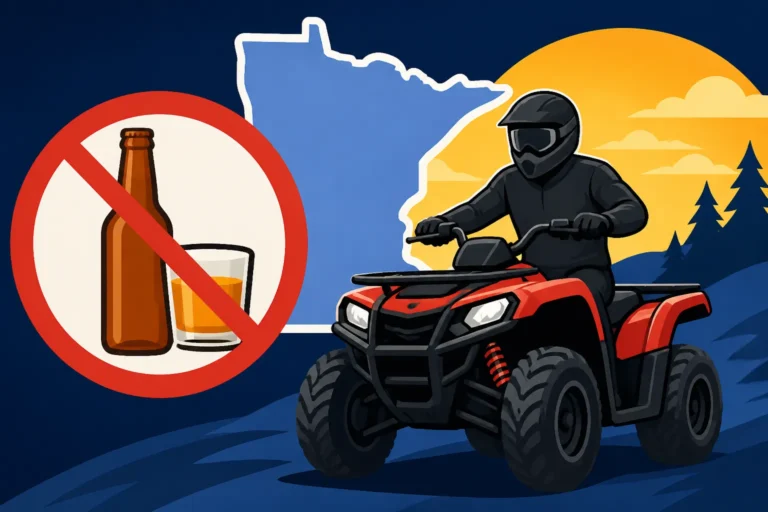
It's a beautiful Minnesota day, and you're out enjoying the trails or maybe just using your ATV or UTV for chores around the property. The sun is shining, the air is fresh, and a cold drink sounds mighty appealing. But before you combine those two things – alcohol and operating an off-highway vehicle – you need to understand the severe and often life-altering consequences of a DWI on an ATV or UTV in Minnesota. This guide is here to walk you through exactly what those consequences are, how the law applies, and most importantly, how to make smart choices to protect yourself, your machine, and your future.
Understanding ATV DWI Laws in Minnesota
Many people mistakenly believe that because an ATV isn't a car, the rules for driving while impaired don't apply, or at least aren't as strict. This couldn't be further from the truth in Minnesota. The state takes impaired driving very seriously, regardless of the vehicle type, and the laws governing ATVs are surprisingly similar to those for cars. It's a common misconception that can lead to devastating legal and personal fallout.
What Constitutes Driving While Impaired on an ATV?
In Minnesota, "driving while impaired" (DWI) on an ATV isn't just about alcohol. It encompasses operating your machine while under the influence of alcohol, any controlled substance, an intoxicating substance, or any combination thereof. This means prescription medications or even over-the-counter drugs that impair your ability to safely operate your ATV can lead to a DWI. The law focuses on your ability to "operate" or be in "physical control" of the machine. This "physical control" part is crucial; it doesn't always mean the engine has to be running or the ATV is moving. If you're sitting on your machine with the keys in the ignition, intoxicated, even if it's parked, you could potentially be charged. Imagine you're just sitting on your quad by the campfire, engine off, enjoying a beverage, and decide to "just turn it on for a second" to move it a few feet. If a conservation officer or law enforcement official sees you and suspects impairment, that momentary lapse in judgment could be enough.
Why an ATV is Treated Like a Car (Legally Speaking)
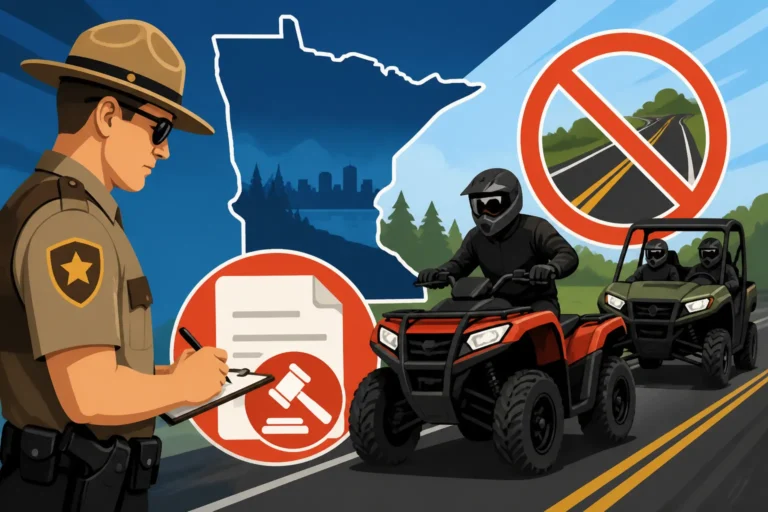
Minnesota law views off-highway vehicles, including ATVs and UTVs, with the same gravity as passenger cars when it comes to impaired operation. The intent of the law is to keep all public areas safe, and that includes trails, ditches, frozen lakes, and even private roads accessible to the public. The risks associated with impaired driving, whether on pavement or dirt, are identical: delayed reaction times, poor judgment, and an increased likelihood of accidents. This is why you'll find that many of the same statutes apply. The Minnesota Department of Natural Resources (DNR) officers, alongside county sheriffs and state troopers, are fully authorized to enforce these DWI laws in all areas where ATVs are operated. It’s not just about what happens on the highway; a conservation officer on a remote state forest trail has the same authority to conduct a DWI investigation as a city police officer on Main Street.
The Blood Alcohol Limit for ATV Operators
Just like with motor vehicles, the legal blood alcohol content (BAC) limit for operating an ATV in Minnesota is 0.08%. If your BAC is at or above this level, you are presumed to be impaired, regardless of whether you feel impaired or believe you can still operate your machine safely. For commercial ATV operators, the limit is even lower at 0.04%. It’s important to remember that alcohol affects everyone differently based on factors like weight, metabolism, and how much you've eaten. A couple of beers might put one person over the limit while another is fine. The only truly safe BAC when operating an ATV is 0.00%. Trying to guess if you're "okay" to ride after drinking is a gamble with incredibly high stakes. For more detailed information on specific limits, you can refer to [Minnesota Alcohol Limits for ATV Operators].
Consequences of an ATV DWI
The immediate aftermath of an ATV DWI arrest is just the beginning. The ripple effects can extend for years, impacting your finances, your freedom, your driving privileges, and even future job prospects. It's a heavy price to pay for a moment of poor judgment.
Immediate Impact: From the Trail to the Station
The moment a law enforcement officer or conservation officer suspects you of impaired ATV operation, the situation changes drastically. You'll likely be pulled over, asked to perform field sobriety tests, and if impairment is suspected, you'll be arrested. This means being handcuffed, transported to a police station or county jail, and undergoing booking procedures, which include fingerprinting and mugshots. Your ATV will almost certainly be impounded, incurring towing and storage fees. This isn't a minor traffic ticket; it's a serious criminal offense. What might have started as a fun day out can quickly turn into a terrifying and humiliating experience. Imagine being stranded miles from home, your machine towed away, and facing a night in jail – all because you decided to have "just one more" on the trail.
License Suspension and Revocation: Not Just Your ATV Privileges
One of the most immediate and impactful consequences of an ATV DWI in Minnesota is the loss of your driving privileges. This isn't limited to just operating an ATV; your driver's license for regular motor vehicles can also be suspended or revoked. Minnesota operates under an "implied consent" law, meaning that by operating a vehicle (including an ATV), you implicitly consent to a breath, blood, or urine test if requested by an officer. Refusing this test can lead to an automatic, and often longer, license revocation, even if you are ultimately found not guilty of the DWI itself. A first-offense ATV DWI can lead to a 90-day license suspension, and repeat offenses carry much harsher penalties, including longer revocations and potentially even forfeiture of your vehicle. The ability to drive to work, pick up groceries, or even visit family can be stripped away, making everyday life incredibly challenging. For a deeper dive into how this affects your ability to ride, see [Losing Minnesota Riding Privileges].
Financial Penalties and Legal Fees
The monetary cost of an ATV DWI is staggering. You'll face significant fines imposed by the court, which can range from hundreds to thousands of dollars depending on the severity of the offense and any prior history. Beyond the fines, there are mandatory surcharges, court costs, and fees for things like chemical dependency assessments and treatment programs. Don't forget the towing and impoundment fees for your ATV, which can quickly add up to hundreds of dollars, especially if your machine is stored for an extended period. Then there are the legal fees. Hiring an attorney to navigate the complex legal system is almost always necessary, and those costs can easily reach several thousand dollars. All these expenses accumulate rapidly, creating a substantial financial burden that can strain even a healthy budget. To understand the general scale of fines for illegal riding, check out [Minnesota Fines for Illegal Road Riding].
Long-Term Repercussions: Insurance and Future Opportunities
An ATV DWI conviction becomes part of your criminal record, which has far-reaching implications. Your vehicle insurance premiums, for both your ATV and your car, will skyrocket, and some insurers might even drop your coverage entirely, making it difficult and expensive to get new policies. In some cases, you might be required to obtain a special "SR-22" certificate, indicating you're a high-risk driver, which further drives up costs. Beyond insurance, a criminal record can impact your employment opportunities, especially for jobs requiring a clean driving record or background checks. It can also affect professional licenses, housing applications, and even your ability to travel internationally. The embarrassment and stress of dealing with these long-term consequences are immense, a constant reminder of that single decision.
Preventing an ATV DWI: Smart Choices for Riders
The best way to deal with an ATV DWI is to prevent it from ever happening. It all comes down to making responsible choices before you even consider taking a sip. Planning ahead and prioritizing safety are your strongest defenses.
Planning Ahead: Designated Drivers and Safe Alternatives
Just like with driving a car, if you plan to consume alcohol, you need a plan for your ATV. This could mean having a designated sober rider who will operate the machine for you, or deciding that if you're going to drink, the ATV simply stays parked. Consider the location you'll be riding. Are there safe places to camp overnight if you're out with friends? Can you arrange for a sober friend to pick you up with a truck and trailer, leaving your machine secure until you can retrieve it sober? Some riders choose to strictly separate riding from drinking altogether, enjoying their time on the trails and saving alcoholic beverages for later, after the machines are parked for the day. While accessories from brands like SuperATV can enhance your machine's capabilities for safe, responsible riding, like improved lighting for night vision or windshields for protection, they are absolutely no substitute for sober operation.
Enjoying Responsibly: Tips for Social Riding
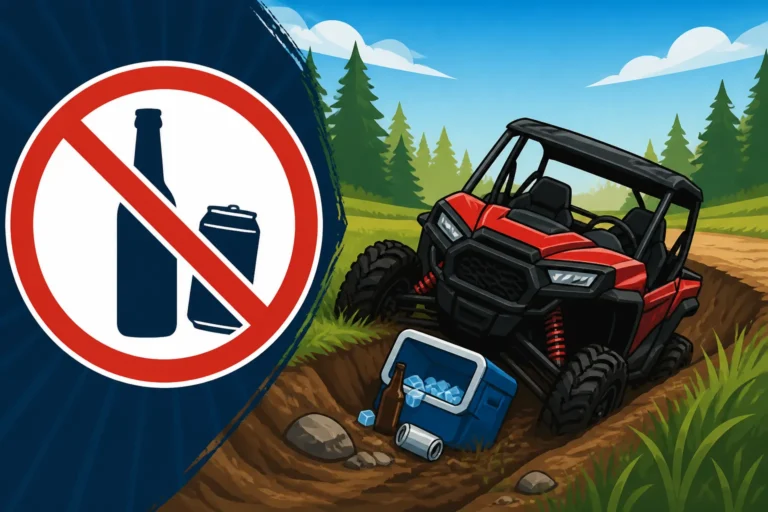
If you're out with a group, encourage everyone to commit to sober riding. Peer pressure can be a strong force, but so can a collective commitment to safety. Take turns being the designated sober rider, or set a clear boundary that once the cooler comes out, the keys go away. It's often helpful to designate a "key master" who collects all the ATV keys once the decision to drink is made. This simple act removes the temptation to make a poor decision later. Remember, you're not just protecting yourself, but also your friends and family on the trail. An accident involving an impaired rider can injure innocent parties and ruin lives. Being upfront about your commitment to sober riding also sets a good example for younger riders who might be present.
Equipment That Enhances Safety (But Doesn't Excuse Impairment)
While no piece of gear can prevent a DWI, equipping your ATV with safety enhancements can improve your overall riding experience and help prevent accidents when you are operating sober. Good quality helmets, eye protection, and proper riding attire are always essential. For your machine, consider upgraded lighting systems (SuperATV offers a wide range of lighting solutions) for better visibility, a robust winch for self-recovery, or even a GPS unit to avoid getting lost, especially if you're riding in unfamiliar territory. These tools help mitigate risks associated with the environment or mechanical issues, but they do nothing to counteract the effects of alcohol or drugs. They're complements to responsible riding, not replacements for it.
Navigating the Legal Process After an ATV DWI
If you find yourself facing an ATV DWI charge, understanding the legal process and acting quickly are critical steps to mitigating the damage. It can feel overwhelming, but you're not alone.
What Happens After an Arrest?
Following your arrest and booking, you'll likely be held until you can post bail or are released on your own recognizance. A court date will be set for your arraignment, where you'll formally hear the charges against you and enter a plea (typically "not guilty" at this stage). During this time, the state will be gathering evidence, including police reports, chemical test results, and any witness statements. This initial period is crucial, and it's when many people, feeling scared and confused, make mistakes that can hurt their case later on. Remember that anything you say can be used against you, so it's always best to remain silent until you've spoken with legal counsel. If you've encountered a conservation officer, they will follow a similar process to other law enforcement. More on interactions with officers can be found at [What a Minnesota Conservation Officer Asks For].
Seeking Legal Counsel: Why It's Crucial
Facing a DWI charge without an attorney is like trying to navigate a dense forest without a map or compass. The legal system is incredibly complex, with specific procedures, deadlines, and nuanced laws. An experienced DWI attorney specializing in Minnesota law can explain your rights, evaluate the evidence against you, and identify any potential defenses. They can challenge the legality of the stop, the accuracy of sobriety tests, or the calibration of breathalyzer equipment. Your attorney will represent you in court, negotiate with prosecutors, and work to achieve the best possible outcome for your situation, whether that's a reduction of charges, alternative sentencing, or even dismissal. This is not the time to try and save money by going it alone; the long-term costs of a conviction far outweigh the upfront expense of legal representation. For general information on dealing with tickets, you might find [Fighting an ATV Ticket in Minnesota] helpful.
Potential Outcomes and How to Prepare
The outcome of an ATV DWI case can vary widely depending on the circumstances, your prior record, and the effectiveness of your legal defense. Potential outcomes range from dismissal of charges (rare, but possible), to plea bargains for lesser offenses, to conviction with penalties including fines, jail time, probation, and mandated alcohol education or treatment programs. If you are convicted, preparing for the consequences means understanding that you will likely lose your driving privileges for a period, face substantial financial burdens, and have a criminal record. Taking proactive steps, such as attending Alcoholics Anonymous meetings or seeking chemical dependency assessments voluntarily, can sometimes demonstrate to the court your commitment to addressing the issue, potentially leading to more lenient sentencing. It's about showing responsibility for your actions and a willingness to change.
| Offense Level | Potential Jail Time (First Offense) | Minimum Fine Range (First Offense) | License Suspension/Revocation (First Offense) | Vehicle Plate Impoundment (First Offense) |
|---|---|---|---|---|
| Fourth Degree DWI | Up to 90 days | ~$300-$1,000+ | 30-90 days, longer for test refusal | N/A |
| Third Degree DWI | Up to 1 year | ~$1,000-$3,000+ | 90 days – 1 year, longer for test refusal | Yes (7 days for chemical test refusal) |
| Second Degree DWI | Up to 1 year | ~$1,000-$3,000+ | 1 year – 6 years, longer for test refusal | Yes (7 days for chemical test refusal) |
| First Degree DWI | Up to 7 years | ~$3,000-$14,000+ | 1 year – 6 years, longer for test refusal | Yes |
Note: This table provides general categories and typical ranges for first offenses. Actual penalties vary significantly based on specific facts of the case, prior offenses, and court discretion. Chemical test refusal can lead to immediate and longer license revocations regardless of conviction, and vehicle forfeiture is possible for repeat offenses.
Disclaimer
This article is for general informational purposes only and does not constitute professional advice. Laws, prices and regulations vary by location and change over time. Consult a qualified professional for guidance on your specific situation.