Minnesota Road Rules Riders Get Wrong
Navigating Minnesota's vast network of roads, ditches, and trails with your ATV or UTV can feel like deciphering a secret code, and it's incredibly frustrating when you just want to get from your cabin to the nearest gas station or link up with a trail. Many riders assume they know the rules, only to find themselves confused or, worse, facing a ticket. This comprehensive guide is here to untangle those commonly misunderstood Minnesota road rules, ensuring your next ride is both fun and fully compliant.
The Myth of "Any Ditch": Where You Can (and Can't) Ride
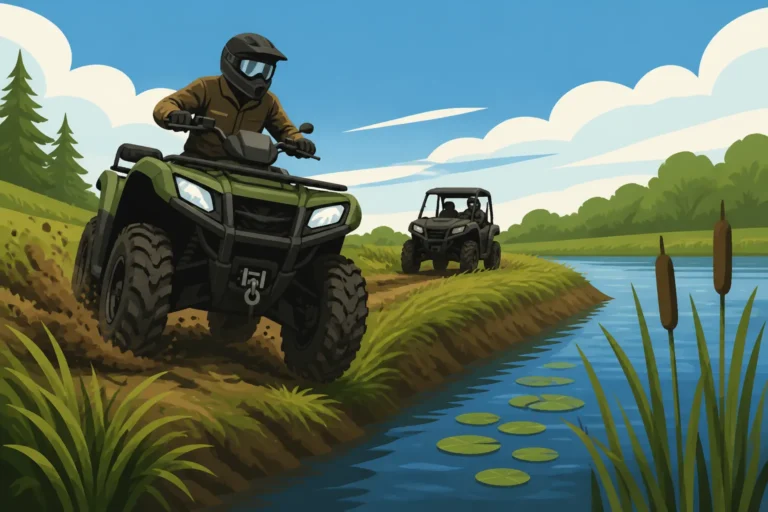
One of the biggest misconceptions Minnesota ATV and UTV riders encounter is the idea that you can simply ride in any road ditch. While ditch riding is a common and often legal practice in the Gopher State, it's far from a free-for-all. There are specific rules about where in the ditch you can ride, whose ditch it is, and what the ditch itself looks like. Ignoring these nuances can quickly turn a pleasant outing into a conversation with a conservation officer.
Designated Road Rights-of-Way vs. Private Property
Let's start with the fundamental distinction between public road rights-of-way and private land. Minnesota law generally permits ATV and UTV operation within the right-of-way of a public road, which typically includes the shoulder and the ditch. However, this right-of-way has a specific boundary. Just because there's a ditch doesn't mean it's automatically public. Property lines can be tricky, especially in rural areas where fences might be far from the actual boundary, or nonexistent. Many riders mistakenly assume that anything outside the paved surface is fair game, but if that ditch happens to fall within private property lines, you could be trespassing.
It's your responsibility as a rider to know if you're on public land or not. This is particularly true if the ditch area is clearly maintained by a private landowner or if it leads directly into a field or woods without a clear public access point. While many landowners are tolerant, a few bad apples can sour the relationship for everyone. Always err on the side of caution. If in doubt, stay closer to the road surface, as that portion is almost universally within the public right-of-way, or better yet, verify property boundaries if you plan to venture off the immediate shoulder.
Understanding where the public right-of-way truly ends is crucial for respectful and legal riding. Riders often don't realize that simply because the grass is mowed or appears unmaintained, it doesn't automatically mean it's part of the public thoroughfare. The consequences of unintentional trespass can range from an annoyed landowner asking you to leave to a formal citation if property is damaged or repeated violations occur. Always respect "No Trespassing" signs, and remember that permission is always key when private land is involved, even if it's just the edge of a ditch.
The "Improved Surface" Rule and Why It Matters
Here's another big one: Minnesota law generally prohibits ATVs and UTVs from operating on the "improved surface" of a public road. What exactly does "improved surface" mean? For most of us, it refers to the paved or graveled part of the road where cars and trucks drive. The intent is to keep off-highway vehicles off the main flow of traffic for safety reasons and to prevent damage to road surfaces not designed for their tires. However, the exact definition can sometimes be a point of confusion.
Riders often misinterpret this to mean they can ride on the very edge of the gravel or even briefly on the pavement to avoid a puddle or obstacle. This is generally not the case. The law intends for you to stay off that improved surface, sticking to the shoulder or the ditch when traveling parallel to the road. There are specific exceptions, such as crossing a road, which we'll cover later, but riding on the shoulder of a state highway or county road for an extended period, even if it's gravel, is usually prohibited unless it's a specifically designated ATV route. This rule is a major contributor to fines, as it's easy to accidentally drift onto the prohibited surface, especially when the ditch is rough or filled with water.
Understanding the "improved surface" rule means actively riding in the ditch or on the very unimproved edge of the right-of-way. This often means dealing with bumps, dips, and sometimes less-than-ideal terrain, which is precisely why these machines are built with robust suspensions! Don't be tempted to "cheat" onto the shoulder just because the ditch looks too rough. This is where quality aftermarket accessories, like heavy-duty suspension components or even a SuperATV lift kit, can make your ditch riding experience much more comfortable, helping you stay off the improved surface without jarring your teeth out. Staying compliant often means accepting the terrain as it comes.
Navigating Bridges, Culverts, and Other Obstacles
So, you're dutifully riding in the ditch, avoiding the improved surface, when suddenly you encounter a bridge, a large culvert, or another natural obstruction that makes continued ditch riding impossible. What do you do? Many riders mistakenly believe they can simply hop onto the road surface, cross the obstacle, and then return to the ditch. While this is often permitted, there are crucial rules about how you perform this maneuver. This isn't just about common sense; it's about specific safety and traffic laws.
When approaching a bridge or culvert that obstructs the ditch, you are generally allowed to enter the roadway to pass the obstruction. However, you must do so safely and quickly. This means yielding to all oncoming traffic, riding on the extreme right-hand side of the road, and re-entering the ditch or shoulder as soon as it is safe and practicable to do so. You can't just cruise down the road for a quarter-mile because the ditch looks muddy. The key phrase here is "safely and practicable," which implies minimal time on the main roadway. It's a quick jog around the obstacle, not a scenic tour.
Another common mistake involves not recognizing how far a culvert or bridge extends. Sometimes, the improved surface rules mean you need to be very precise about where you get on and off the road. For example, a long bridge might mean you're on the main road surface for a longer stretch than you'd prefer. In these situations, exercise extreme caution, use proper hand signals if no turn signals are present, and be highly visible to other traffic. It’s also important to remember that some bridges or culverts might be on trails that cross roads, rather than running parallel to them. Familiarizing yourself with these common points can prevent a lot of anxiety and keep you on the right side of the law. For more on navigating these specific situations, check out [Crossing a Minnesota Road on an ATV].
"Street Legal" Isn't Always What You Think: Vehicle Classifications and Road Access
The term "street legal" can be a real minefield for ATV and UTV owners in Minnesota. Unlike some other states where you can register a side-by-side with a license plate and drive it almost like a car, Minnesota has a much more restrictive approach. Just because you've added turn signals, a horn, or mirrors doesn't mean your machine is automatically "street legal" for general road use across the state. This distinction is critical and can lead to serious tickets if misunderstood.
Class 1 vs. Class 2 Machines: A Critical Distinction
Minnesota law defines two main classes of ATVs, and these classifications dictate much of what you can and cannot do on public roads.
- Class 1 ATVs are generally less than 50 inches wide and have a dry weight of 1,200 pounds or less. This category covers most traditional single-rider quads and many smaller utility ATVs.
- Class 2 ATVs are designed to carry one or more passengers, are between 50 and 65 inches wide, and have a dry weight of 2,000 pounds or less. This category typically includes most side-by-sides (UTVs) and larger, two-up ATVs.
This width distinction is paramount for road use. Generally, Class 1 machines have more flexibility in terms of ditch and right-of-way riding. While both classes are largely restricted from the "improved surface" of public roads, some rules, particularly local ordinances, can treat them differently. For instance, some city or county designated ATV routes might have restrictions on Class 2 machines or require them to use specific lanes. It's not enough to know you have an ATV; you need to know which class it falls into because that often determines your legal access.
| Feature | Class 1 ATV | Class 2 ATV |
|---|---|---|
| Width | Generally up to 50 inches | Generally 50 to 65 inches |
| Weight | Generally up to 1,200 pounds dry | Generally up to 2,000 pounds dry |
| Primary Design | Single rider, traditional quad | Multiple passengers (side-by-side, two-up ATV) |
| Road Right-of-Way | Generally permitted in ditch/shoulder | Generally permitted in ditch/shoulder |
| Improved Surface | Prohibited (with exceptions for crossing, etc.) | Prohibited (with exceptions for crossing, etc.) |
| Local Ordinance Imp. | May have fewer local restrictions | More likely to have local width/use restrictions |
| Trail Access | May access narrower trails | May be restricted from narrow trails |
The nuances between these classes can be subtle but impactful, especially when considering modifications. For example, adding wider tires or suspension components might inadvertently push your Class 1 ATV into Class 2 dimensions, altering the rules it must follow. Always be aware of your machine's actual dimensions after any modifications. For a deeper dive into these classifications, you might find [Minnesota ATV Classes and What They Mean] to be a helpful resource, as it clarifies these technical distinctions.
Driver's License and Age Requirements on Roadways
Operating an ATV or UTV in a road right-of-way, even in the ditch, brings with it specific driver's license and age requirements that many riders often overlook or misunderstand. It's not the same as riding on private land or a dedicated trail. When you're near a public road, you're subject to traffic laws, and that includes who can be behind the handlebars. This is a common area for confusion, especially for families with younger riders.
In Minnesota, if you are operating an ATV or UTV within a public road right-of-way (including the ditch), you must generally possess a valid driver's license. This means a standard automobile driver's license. This rule is in place because you are interacting with public roadways and potential vehicle traffic, even if you're not on the main paved surface. The exception here is often for supervised youth riders on certain designated routes or for agricultural purposes, but for general recreational ditch riding, assume a license is required. [Driver's License Rules for Minnesota Road Riding] offers more specific details.
Age restrictions also play a significant role. While younger riders can operate ATVs on private land or designated trails under certain conditions, operating in a road right-of-way often has higher age thresholds. For instance, riders under 12 years of age are generally prohibited from operating an ATV on public lands, which includes road rights-of-way. Riders between 12 and 15 might be able to operate with adult supervision and proper safety training, but even then, specific rules apply to ditch riding versus designated trails. Always ensure that both the operator has the proper license and meets the age requirements for the specific area you're riding in. This isn't just about legality; it's about the safety of everyone on or near the road.
Equipment Mandates: Lights, Mirrors, and Mufflers
Just as your car needs specific equipment to be road legal, your ATV or UTV needs certain features to be operated legally in Minnesota's road rights-of-way. Many riders assume that if their machine came with basic lights, they're good to go, but there are specific requirements that are often missed. These mandates are in place for visibility, noise control, and overall safety for both the operator and other road users.
For operations in a public road right-of-way, your ATV or UTV must be equipped with at least one headlight and one taillight, both of which must be on during operation, especially between sunset and sunrise, or when visibility is limited. This isn't just about being able to see; it's about being seen. Furthermore, your machine must have brakes adequate to control its movement and to stop and hold it. A properly functioning muffler and a spark arrestor are also required. This is particularly important for noise ordinances and fire prevention, especially when riding near residential areas or in state forests. Aftermarket exhaust systems can easily violate noise limits, so be cautious with modifications.
Mirrors are another often-overlooked requirement. While not always mandatory for all ATV operation, when operating in a road right-of-way, having mirrors that provide a clear view of the rear can be crucial for safety and may be required by local ordinances. Many off-road vehicles don't come standard with robust mirror setups, so this is a common aftermarket addition. When considering adding equipment like LED light bars, remember that while these enhance off-road visibility, they may not be legal for on-road use and can even blind oncoming traffic. Stick to DOT-approved lighting when operating near roads. Companies like SuperATV offer a range of accessories that can help you meet these requirements, from turn signal kits to mirrors, ensuring you're visible and compliant.
Crossing Roads and Intersections: More Than Just Looking Both Ways
Crossing a public road with an ATV or UTV is a common maneuver, whether you're linking up trails, getting to a gas station, or simply navigating around a private property obstruction. However, this isn't just a matter of quickly zipping across. Minnesota has very specific rules about how these crossings must be executed, and misunderstanding them can be a major source of citations and dangerous situations. It requires more than just a quick glance; it demands a full understanding of traffic laws.
Stopping, Yielding, and Signaling Requirements
When you approach a road you intend to cross, the rules are clear: you must come to a complete stop. This isn't a "rolling stop" like some might get away with in their car; it's a full, momentary halt. This ensures you have ample time to assess traffic conditions in both directions. Once stopped, you must yield the right-of-way to all oncoming traffic on the road you are crossing. This means waiting until the way is completely clear, not just trying to beat an approaching vehicle. Safety is paramount here, as ATVs and UTVs are much less visible and slower to accelerate than typical road vehicles.
After yielding, you must cross the road at an angle of approximately 90 degrees to the roadway. You should cross in the most direct and safest manner possible, minimizing your time on the improved surface. This isn't the time to make a wide, sweeping turn or to take your time. Be decisive and move directly across. While not explicitly required in all situations, using hand signals (if your machine isn't equipped with turn signals) to indicate your intention to cross can greatly enhance safety and communication with other drivers. Remember, the goal is to be predictable and visible to reduce the risk of accidents.
Failure to properly stop, yield, or cross at a 90-degree angle are frequent reasons for getting pulled over by law enforcement. It’s an immediate signal that a rider might not be familiar with the rules, prompting officers to look for other potential violations. Think of it like crossing railroad tracks; you come to a full stop, look, and then proceed directly when clear. The same diligence applies here. For specific guidance on legal crossing procedures, see [Crossing a Minnesota Highway Safely].
Crossing State Highways Versus County Roads
While the general rules for stopping and yielding apply to all road crossings, there can be subtle differences and increased risks when crossing state highways compared to county or township roads. State highways typically have higher speed limits, greater traffic volumes, and fewer sight lines, making crossings inherently more dangerous and demanding more caution. These are major thoroughfares, and ATV/UTV operators are expected to exercise extreme care.
When crossing a state highway, be prepared for faster-moving traffic and longer distances required to safely cross. It's often advisable to wait for a much larger gap in traffic than you might on a quieter county road. Some state highways might also have restrictions on ATV/UTV operation in the ditch right-of-way itself, making a crossing the only legal interaction your machine has with that particular road. Always be extra vigilant.
County and township roads, while generally having lower speed limits and less traffic, still require the same stopping and yielding protocols. The temptation might be to be less cautious on these quieter roads, but this is a mistake. Rural roads can have blind spots, unexpected farm equipment, or drivers who are not expecting an ATV to cross. Treat every road crossing, regardless of its classification, with the utmost respect and caution. The specific rules for these different road types are detailed in [Minnesota Rules on County Roads] and [Minnesota Rules on State Highways].
The Fine Print on Railroad Crossings
Railroad crossings, much like public roads, present a unique set of hazards and regulations that riders must understand. It's not uncommon for ATV trails or ditch lines to intersect with active railroad tracks, and knowing the specific protocol for crossing them is essential for safety and legality. Railroad tracks are not public rights-of-way for recreational vehicles, and treating them casually can have catastrophic consequences.
Just like with road crossings, you must come to a complete stop before crossing any railroad tracks. Look and listen carefully for approaching trains in both directions. Even if there are no visible trains, modern trains can be surprisingly quiet until they are very close, and they can appear quickly. Never assume tracks are abandoned or inactive; always treat them as live. The safest practice is to dismount your machine, scout the crossing on foot if necessary, and ensure no train is approaching before proceeding.
Once you are certain the tracks are clear, cross them at an angle that minimizes the risk of your tires getting caught in the rails. Many riders find it best to cross at a slight angle, not a sharp 90-degree angle, to prevent tires from dropping into the gap between the rail and the crossing surface. Be aware that the surface around tracks can often be uneven, gravelly, or poorly maintained, so proceed slowly and cautiously. Under no circumstances should you ever ride on railroad tracks or within the railroad right-of-way for any distance beyond the immediate crossing. Railroad property is private, and trespassing can lead to severe penalties and extreme danger.
Local Ordinances: The Unexpected Roadblocks
One of the most perplexing aspects of ATV and UTV road rules in Minnesota is the often-overlooked layer of local ordinances. While the state sets baseline rules, individual counties, townships, and cities have the authority to create their own regulations regarding ATV/UTV use within their jurisdictions, especially on local roads and within city limits. This creates a patchwork of rules that can vary dramatically from one community to the next, leaving riders scratching their heads.
City and Township Roads: A Patchwork of Rules
Imagine you're cruising along a beautiful rural ditch in a township, perfectly legal under state law, and then you enter a small town. Suddenly, what was allowed moments ago might be strictly prohibited. Many Minnesota cities and townships have ordinances that ban ATVs and UTVs from operating on any municipal street, even in the ditch, unless specifically designated as an ATV route. This is often done for noise control, safety concerns, or simply to maintain a specific community aesthetic.
The challenge for riders is that these local rules aren't always well-publicized. You might only discover them when you see a "No ATV" sign, or worse, when a local police officer stops you. Before riding through or within any incorporated city or township, it is absolutely essential to check their specific ordinances. A quick call to the city clerk or checking the city's official website can save you a lot of trouble. Don't assume that because the neighboring town allows it, the current one does too. [Minnesota Cities That Allow ATVs on Streets] can provide a starting point for areas known to be more friendly.
The varying rules also mean that your machine, which might be perfectly equipped for state-level ditch riding, might not meet the specific requirements for certain city routes. Some cities might require additional lighting, specific speed limits, or even different hours of operation. This fragmented regulatory landscape is a source of constant frustration for recreational riders, but ultimately, it's the rider's responsibility to know the local rules.
Designated ATV Routes and How to Find Them
Thankfully, many forward-thinking Minnesota cities and counties have recognized the economic and recreational benefits of ATV and UTV tourism. As a result, they have established designated ATV routes within their communities, specifically allowing off-highway vehicles on certain streets or in specific corridors. These designated routes are a godsend for riders, providing legal access to fuel, food, lodging, and trailheads.
These routes are typically marked with specific signage, clearly indicating where ATVs and UTVs are permitted to operate. They might allow ditch riding, shoulder riding, or even direct street access on specific roads. Often, these routes connect directly to state or county trail systems, creating seamless riding experiences into and out of trail towns. However, even on designated routes, general traffic laws still apply, including speed limits, stop signs, and yielding rules. You're essentially sharing the road with regular vehicles, so full attentiveness is required.
Finding these routes is key to maximizing your riding experience without fear of legal issues. Many trail maps, especially those from the DNR or local ATV clubs, will highlight designated routes within communities. Additionally, resources like the Minnesota DNR website or local tourism offices can provide maps and information on where these routes exist. Planning your ride to incorporate these designated access points ensures you can enjoy amenities without breaking the law. For places where riders often converge, consider [Riding Into a Minnesota Trail Town] for practical tips.
Riding to Fuel, Food, and Lodging in Trail Towns
One of the primary reasons riders seek to operate their ATVs or UTVs on or near public roads is to access essential services like gas stations, restaurants, or lodging in nearby towns. For many, the ability to ride directly from the trail to grab a burger or fill up the tank is a huge part of the convenience and appeal of ATVing. However, this convenience hinges entirely on understanding and adhering to local ordinances.
As discussed, not all towns are created equal when it comes to ATV access. In communities with designated ATV routes, riding your machine directly to a gas station or a restaurant is usually permitted, provided you follow the route and traffic laws. These towns have often embraced ATV tourism and actively encourage riders to visit local businesses. You might see specific ATV parking areas or businesses openly welcoming riders. This is where those designated routes shine, allowing riders to transition smoothly from the wilderness to town amenities.
In towns without designated routes, accessing services often means trailering your machine in. Trying to "sneak" down a city street to get gas because you're low on fuel is a risky gamble that rarely pays off. Always plan your fuel stops and amenity access points carefully, consulting maps and local ordinances beforehand. Knowing which communities are "ATV-friendly" and have the necessary infrastructure (like routes or ample trailer parking) is crucial for a stress-free trip. Even in ATV-friendly towns, always park courteously and be mindful of noise, as a few thoughtless riders can quickly change a town's perception of off-highway vehicles. You can learn more about practical access in [Fueling an ATV in a Minnesota Small Town].
Seasonal Changes and Environmental Factors: When the Rules Shift
Minnesota's dynamic climate means that what's legal and safe for ATV and UTV operation can change dramatically with the seasons. Riders who only think about static laws often overlook how environmental factors – from spring thaw to heavy snow – can impact road and ditch riding rules. Ignoring these seasonal shifts isn't just a matter of inconvenience; it can lead to damage to public lands, unsafe conditions, and significant fines.
Spring Thaw and Road Restrictions
Ah, spring in Minnesota! The snow melts, the sun shines, and everyone is eager to hit the trails and ditches. But hold on a second! Spring thaw often brings severe road restrictions, particularly on gravel and unpaved township roads, as well as in ditches. When the ground thaws, the frost leaves the soil, creating incredibly soft and saturated conditions. Operating heavy ATVs and UTVs on these fragile surfaces can cause significant ruts, erosion, and damage that costs taxpayers a lot of money to repair.
Because of this, many townships and counties implement "no heavy loads" or "road closed to ATV traffic" signs during the spring thaw period. These restrictions are put in place to protect the road infrastructure and ditches from damage. Riding on these restricted surfaces not only demonstrates a disregard for the environment and public resources but also makes you highly susceptible to getting stuck or causing deep ruts, which are clear signs of illegal activity. These restrictions can sometimes last well into May or even early June, depending on how late and wet spring is.
It's crucial to check local county and township websites, or the Minnesota DNR website, for current road and ditch restrictions before planning a spring ride. Ignorance of these closures is not an excuse. Riding on surfaces that are closed due to thaw damage can result in substantial fines and a demand for restitution for the damage caused. Be patient, let the ground firm up, and respect the natural cycles that protect our riding areas. For more on this, look into [Minnesota Road Restrictions During Spring Thaw].
Winter Riding: Snow-Covered Ditches and Frozen Lakes
When winter blankets Minnesota in snow, ATV and UTV riding takes on a whole new dimension, especially in road ditches. Many riders correctly assume that a snow-covered ditch can provide a smoother, more accessible riding surface than a muddy summer ditch. However, winter riding introduces its own unique set of rules and hazards that often go unconsidered.
While snow-covered ditches can offer excellent riding opportunities, you must still adhere to the fundamental rules of ditch riding: stay out of the improved surface of the roadway. Deep snow can sometimes obscure the actual road edge, making it easy to accidentally drift onto the plowed road surface. Additionally, while ditches might be full of snow, the presence of hidden obstacles like culverts, rocks, or even buried fences becomes a significant hazard. Always ride cautiously, especially in unfamiliar areas. The rules for [Winter Road Riding in Minnesota] highlight these important details.
Frozen lakes also become a popular winter destination for ATV and UTV riders, often accessed via ditches or roads. While riding on frozen lakes is generally permitted, there are strict rules about ice safety and how you access the lake from public property. Always verify ice thickness, and remember that local regulations regarding speed, noise, and access points can apply on lakes as well. Never assume a frozen body of water is safe for your machine without proper checks, and understand that operating your machine to plow your driveway is usually exempt from many public road rules, but riding down the road to help a neighbor might not be.
Riding During Hunting Season: Extra Precautions
Hunting season, particularly firearm deer season, brings a significant increase in outdoor activity and specific regulations that impact ATV and UTV use, even in ditches. Many hunters use their machines for access, transport, and retrieval, but doing so within road rights-of-way during these busy times requires heightened awareness and adherence to specific rules to ensure safety and prevent conflicts.
During hunting season, especially during daylight hours, it's not just about what you are doing, but what others might be doing around you. Hunters might be in ditches bordering private land, walking along shoulders, or crossing roads. This increased human activity necessitates extra caution from ATV and UTV operators. Always be highly visible, consider wearing blaze orange even if not actively hunting, and operate your machine at reduced speeds.
Furthermore, there are often specific rules regarding carrying firearms on ATVs and UTVs in Minnesota, especially when operating on public lands or within road rights-of-way. Firearms typically need to be unloaded, cased, and securely fastened to the machine. Know the specific regulations that apply to firearms transport during hunting season. Misunderstanding these rules can lead to serious legal trouble and unsafe situations. Always prioritize safety and respect for other outdoor enthusiasts during these busy times. [Minnesota ATV Rules During Deer Season] is a valuable resource for hunters and riders alike.
Enforcement and Penalties: What Happens When You Get It Wrong
Unfortunately, despite the best intentions, riders sometimes get Minnesota's complex road rules wrong. When that happens, there can be real-world consequences, ranging from warnings to significant fines, legal fees, and even the loss of riding privileges. Understanding who enforces these rules and what penalties might apply is crucial for anyone who ventures onto a road right-of-way with their ATV or UTV.
Conservation Officers and Local Law Enforcement
In Minnesota, the enforcement of ATV and UTV laws falls primarily under the jurisdiction of two main groups:
- Minnesota Department of Natural Resources (DNR) Conservation Officers: These officers are specially trained in outdoor recreation laws and have statewide authority. They patrol public lands, trails, and frequently monitor road rights-of-way, particularly in rural areas where ATVs and UTVs are common. They are highly knowledgeable about all aspects of ATV law, from registration to safety training to operational rules.
- Local Law Enforcement (County Sheriffs and City Police): County sheriff's deputies and local police officers also have the authority to enforce ATV and UTV laws within their respective jurisdictions. While they might be more focused on road safety and local ordinances, they can still issue citations for state-level violations like unregistered machines, operating on improved surfaces, or reckless driving.
It's a common misconception that only DNR officers can ticket ATVs. This is absolutely not true. Any uniformed law enforcement officer can enforce state and local laws pertaining to your machine. Riders might encounter a sheriff's deputy on a county road, a city police officer in a designated trail town, or a conservation officer on a remote ditch line. All of them have the power to stop you and issue citations if you're not compliant. Cooperation and courtesy go a long way in these interactions. For more about specific interactions, consider [What a Minnesota Conservation Officer Asks For].
Common Violations and Their Consequences
Getting caught violating ATV or UTV road rules in Minnesota can result in a range of penalties. Here are some of the most common violations and what you might expect:
- Operating an Unregistered Machine: This is a very common and easily avoidable violation. If your ATV or UTV is not properly registered with the Minnesota DNR, you can face a fine. For details on how to register, see [Registering an ATV in Minnesota].
- Operating on the Improved Surface of a Public Road: As discussed, this is a major no-no outside of specific crossing situations or designated routes. Fines for this can be significant.
- Failure to Stop or Yield at Road Crossings: This is a safety violation that puts you and other drivers at risk, often leading to a ticket.
- Operating Without a Valid Driver's License or Meeting Age Requirements: If you're caught operating an ATV in a road right-of-way without the proper license or if you're underage without proper supervision/training, you'll likely receive a citation.
- Lacking Required Equipment (Lights, Muffler, Spark Arrestor): These equipment violations can lead to fines, especially if they are deemed to pose a safety risk or create excessive noise.
- Trespassing on Private Property: If you venture off the public right-of-way onto private land without permission, you can be cited for trespassing, which can carry significant penalties, especially if damage occurred.
- Violating Local Ordinances: Operating in a city or township where ATVs are restricted on certain roads can lead to local citations.
Fines for these violations can vary, but they often start in the hundreds of dollars. Repeated offenses can lead to higher fines, loss of riding privileges, and even the impoundment of your machine. In severe cases involving property damage or reckless endangerment, criminal charges could even be filed. These are not minor infractions, and the financial and legal consequences can be substantial.
How to Avoid a Ticket and Ride Responsibly
The best way to avoid a ticket and ensure a safe, enjoyable ride in Minnesota is to proactively understand and follow the rules. This isn't just about avoiding penalties; it's about being a responsible rider and contributing positively to the perception of ATV and UTV enthusiasts.
- Educate Yourself: Take the time to read the official Minnesota DNR regulations for ATVs and UTVs. Don't rely solely on what you hear from others. Specific rules regarding Minnesota Road Rules Riders Get Wrong are easily accessible.
- Know Your Machine's Class and Equipment: Understand whether you have a Class 1 or Class 2 ATV, and ensure it's equipped with all the necessary lights, mirrors, and mufflers required for road right-of-way operation. Consider additions from companies like SuperATV to enhance visibility and compliance.
- Check Local Ordinances: Before heading out, especially if you plan to pass through or stay in a community, check the local city or county regulations for ATV/UTV use.
- Register and Insure Your Machine: Always ensure your ATV or UTV is properly registered and that you have appropriate [Insuring an ATV in Minnesota] liability coverage.
- Ride Defensively and Respectfully: Assume other drivers don't see you. Ride at appropriate speeds, especially in ditches, and always yield the right-of-way. Be courteous to landowners and other trail users. Remember, your actions reflect on the entire riding community.
- Carry Your Paperwork: Keep your registration, proof of insurance, and safety training certificate (if applicable) with you while riding. This makes interactions with law enforcement much smoother. For tips on this, see [Keeping the Paperwork With the Machine].
By taking these steps, you can significantly reduce your risk of receiving a citation and, more importantly, contribute to a safer and more harmonious riding environment for everyone in Minnesota.
Disclaimer
This article is for general informational purposes only and does not constitute professional advice. Laws, prices and regulations vary by location and change over time. Consult a qualified professional for guidance on your specific situation.