Minnesota Non-Resident Trail Pass Cost
Minnesota’s non-resident ATV trail pass cost is a trip-planning detail worth checking before you load the trailer. The fee can change, and whether you need a pass depends on the machine’s registration and where you plan to ride. Here’s how to check the current cost, understand what the pass covers, and avoid confusing it with registration or other riding requirements.
What the Minnesota Non-Resident Trail Pass Costs
There isn’t a reliable reason to plan around an old fee quoted in a forum or travel post. Minnesota’s Department of Natural Resources sets the pass fee, and the amount shown through an official purchase channel is the one to use. Check the current listing before you pay, especially if you are planning a trip well in advance.
The fee is for the trail pass, not a substitute for every cost connected with riding. Depending on how you buy it, the checkout may show additional processing charges. You may also need to budget separately for fuel, transportation, lodging, and any other permits that apply to your trip.
| Item | What to check |
|---|---|
| Non-resident ATV trail pass | Current fee and validity period in Minnesota DNR’s official information |
| Purchase-channel charges | Whether an online checkout or license agent adds a processing charge |
| Machine registration | Whether the ATV’s existing registration affects the pass requirement |
| Other riding requirements | Trail rules, safety certification, and any separate access conditions |
| More than one machine | Whether each ATV needs its own pass |
For a closer explanation of the pass itself, see Minnesota’s Non-Resident ATV Trail Pass. The key budgeting point is straightforward: confirm the fee and terms for the specific pass you plan to buy, rather than assuming that an old price or another rider’s purchase details still apply.
A pass is not the same thing as a registration. Registration establishes the machine’s registration status; a trail pass provides access where the pass requirement applies. A pass also does not grant permission to ride wherever you see a trail, road, or open area. Land access, trail status, and local restrictions still matter.
The purchase page or license agent can clarify the current fee, any transaction charge, and the pass’s validity. Keep a record of the transaction, and check that the details match the machine and travel dates before leaving home. If you are buying for several riders or machines, confirm the requirements for each one instead of assuming a single purchase covers the whole group.
Who Needs a Pass and How Registration Affects It
The central question is not simply whether the rider lives outside Minnesota. The machine’s registration and intended riding area matter. In general, a non-resident ATV that is not registered in Minnesota may need a Minnesota non-resident trail pass to use trails where that pass is required. Minnesota-registered machines generally do not need this non-resident pass, but riders should still check the rules that apply to their route.
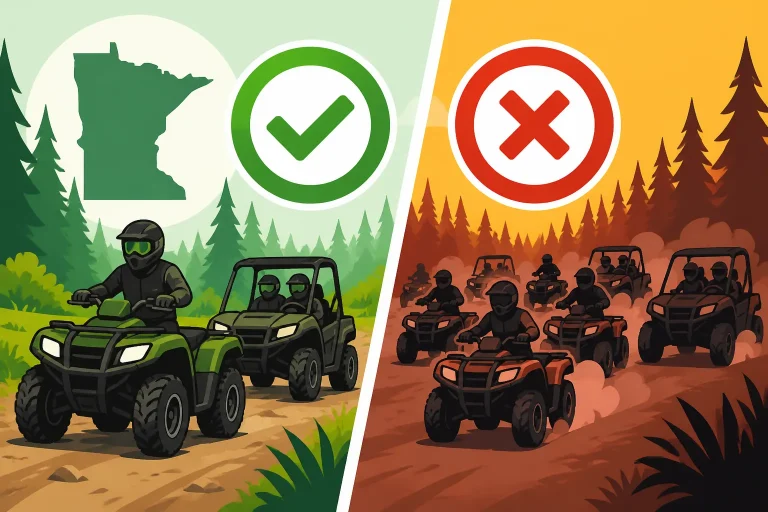
A pass requirement is especially relevant when your plan includes Minnesota grant-in-aid trails. These trails are part of a system supported and maintained through partnerships, so access requirements can differ from riding on private land or other public land. Before departing, identify the trail types on your route and confirm whether the pass applies. Which Minnesota Trails Require a Pass explains the distinction in more detail.
Your machine’s home-state registration is not automatically a Minnesota trail pass. Nor should you assume that a registration decal from another state gives access to every Minnesota trail. For visitors, the safest approach is to look up the specific Minnesota requirement for the machine and route. What Minnesota Charges an Out-of-State Rider can help clarify the questions to check when you are bringing a machine across the border.
The reverse situation is also important: having a pass does not necessarily mean your machine is properly registered for every kind of use. Registration and trail-pass rules are separate checks. If you are not sure whether your ATV is registered in Minnesota or another state, confirm its status before relying on an exemption. Machines Registered in Minnesota and the Pass covers how Minnesota registration can affect the pass requirement.
A few common trip situations illustrate why it pays to check:
- You bring an ATV registered in another state. Check whether a Minnesota non-resident pass is needed for the trails you intend to ride.
- Your machine is registered in Minnesota. Confirm whether the registration removes the need for this particular pass, and still check all other trail conditions.
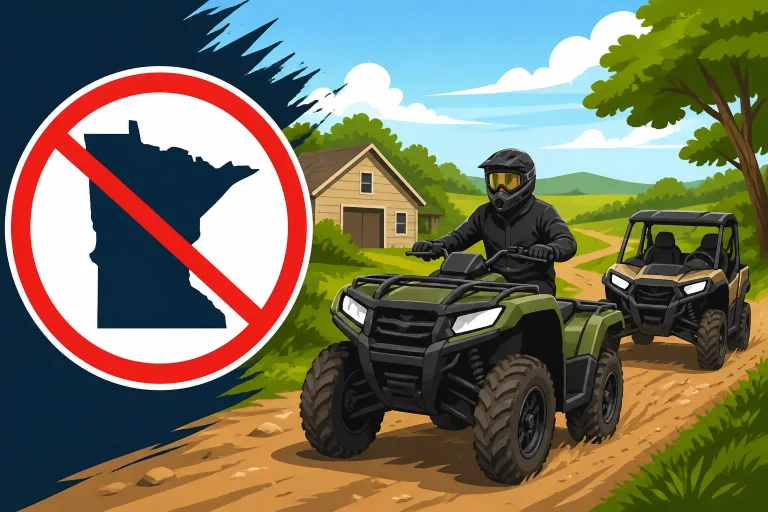
- You ride only on private property. A trail pass requirement for a public trail system may not apply, but you need the landowner’s permission and must follow any other applicable rules.
- Your route uses a mix of trail types. Check each section. A pass required on one trail does not make another trail open to motorized use.
- You are borrowing or renting an ATV. Ask which registration and pass requirements apply to that machine, and who is responsible for obtaining the pass.
A non-resident pass also does not replace safety requirements. Minnesota has separate rules for rider training and certification based on factors such as age and the type of riding. Review Minnesota ATV Safety Training Requirements before the trip if anyone in your group may be subject to those rules.
Visitors from nearby states should not rely on reciprocity unless Minnesota’s official information confirms it for their situation. A home-state permit, trail sticker, or registration may not satisfy Minnesota’s specific requirement. For example, riders coming from Wisconsin can check Do Wisconsin Riders Need a Minnesota Pass? rather than assuming that neighboring states recognize one another’s passes.
How to Buy the Pass and Check Its Validity
Use an official Minnesota DNR purchase option or an authorized license agent. The DNR’s purchase information is the best place to confirm the current price, eligibility, and pass terms. You can start with [Buying a Minnesota Trail Pass Online] or look up Minnesota License Agents That Sell Passes if you prefer to buy in person.
Before purchasing, have the machine information and registration details available. The exact information requested may depend on the purchase channel, but checking the machine’s registration status first can help prevent buying the wrong product. If you are uncertain whether a particular ATV qualifies, ask the DNR or license agent before completing the transaction.
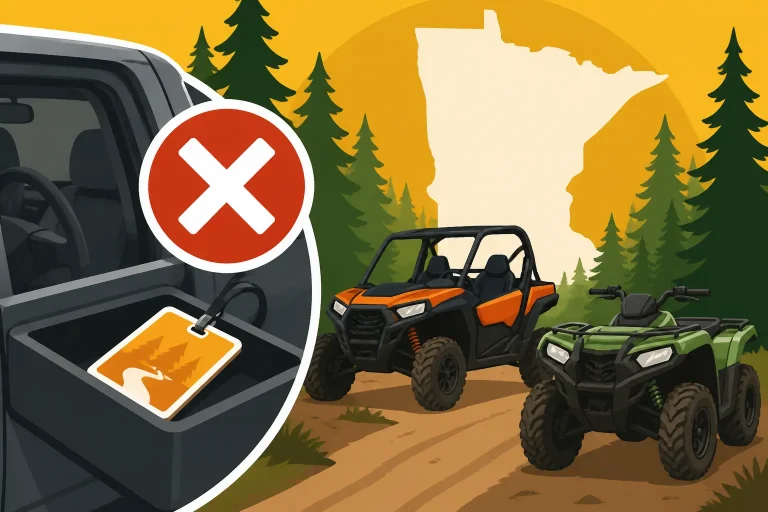
After purchase, read the instructions for displaying or carrying the pass. Don’t assume that a receipt alone is enough if the rules call for a pass or decal to be displayed on the machine. Make sure any required decal is attached in the specified place, remains visible, and is in usable condition. If you need guidance on proof while riding, see Carrying the Minnesota Trail Pass on the Machine.
Also confirm the pass’s validity period. A pass may be limited by a defined term, and a planned return trip could fall outside that term. Check the start and end dates shown in the official information or purchase record rather than guessing from the purchase date. How Long a Minnesota Trail Pass Lasts is useful if you need to match the pass period to a multi-day or repeat visit.
If you are purchasing for a group, treat every ATV as a separate question. A group purchase does not necessarily mean one pass covers several machines. Confirm the pass requirements and display instructions for each ATV, and keep purchase records organized so the right information stays with the right machine.
A simple pre-purchase process can prevent avoidable confusion:
- List the ATVs you plan to ride and note each machine’s registration state.
- Map the trails and public riding areas you intend to use.
- Check Minnesota DNR information for the pass requirement on those trail types.
- Confirm the current fee, validity period, and any checkout or agent charges.
- Purchase through an official option and follow the pass display instructions.
- Recheck trail status and access conditions before you travel.
If your group’s plan changes, revisit the rules. A pass that was appropriate for one machine or route may not answer the requirements for another machine or a different trail system. Keep any official confirmation with your trip records, but do not treat it as permission to ride a closed or restricted trail.
Avoiding Cost and Access Surprises on Your Trip
The pass fee is only one part of planning. The more common problem is reaching a trailhead with the wrong assumption about what the pass covers. A pass does not override a trail closure, authorize riding on private property, or replace registration, safety, or equipment requirements. Before leaving, check both the pass rules and the status of the trails you want to use.
Start with the official trail information and identify which sections are open to ATVs. A route may connect different trail types, and not every segment necessarily has the same access rules. Trail conditions and seasonal restrictions can also change. If you are making a long drive, check the status close to departure rather than relying only on an older map or saved route.
Then review the details for each machine. Confirm that the registration is current, that the pass requirement has been addressed where needed, and that any required decal or proof is present. If someone else is bringing a machine, have that rider confirm the details rather than assuming the lead rider’s pass covers the group.
A few practical checks make the cost easier to manage:
- Use the current official fee. Avoid basing a budget on a past price, an old receipt, or an online discussion that may not reflect current terms.
- Account for the purchase channel. Check whether the chosen method adds a transaction charge.
- Match the pass to the riding dates. Confirm its validity period before scheduling a return visit.
- Check each ATV separately. Registration and pass status can differ from one machine to another.
- Keep the receipt and follow display rules. A purchase confirmation is useful, but it may not replace a required decal or other proof.
- Review the route, not just the destination. Pass requirements and trail access depend on where you ride, not only the town where you unload.
If you are unsure whether an out-of-state registration is enough, whether a pass is needed on a particular trail, or whether a previously purchased pass remains valid, ask Minnesota DNR or an authorized agent before riding. That small check is usually simpler than sorting out a registration or access issue at a trailhead.
For visiting riders, the safest summary is: verify the machine’s registration, confirm whether the planned trails require a non-resident pass, and use the current official fee and validity information when budgeting. The pass is one part of being ready to ride, not a blanket permit for every Minnesota trail.
Disclaimer
This article is for general informational purposes only and does not constitute professional advice. Laws, prices and regulations vary by location and change over time. Consult a qualified professional for guidance on your specific situation.