Best Month to Ride Minnesota Trails
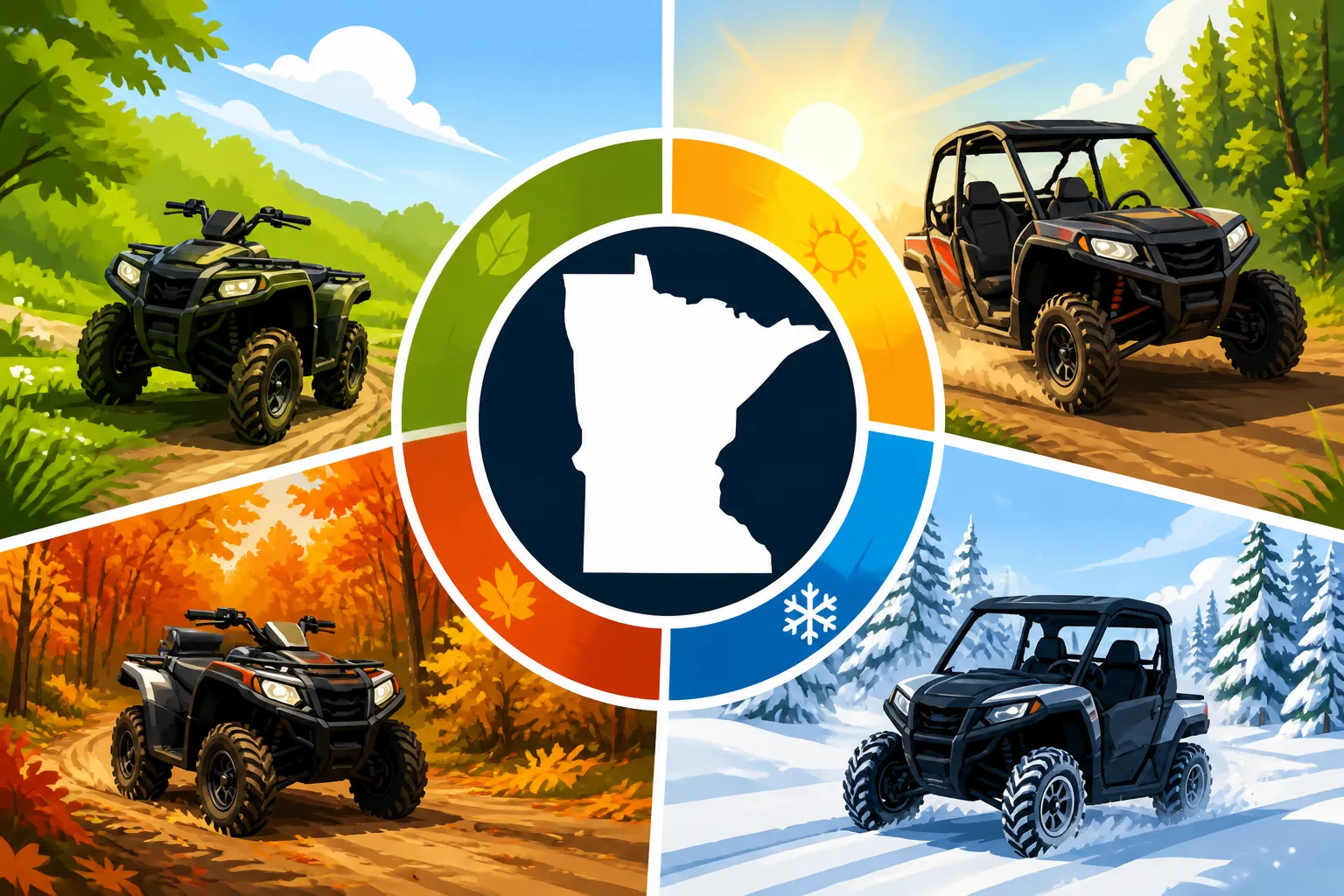
Minnesota’s riding season can feel unpredictable: a trail that looks dry near home may still be muddy, closed, or buggy farther north. For many riders, September offers the best balance of firm conditions, cooler temperatures, and fewer insects. But the right month depends on where you’re headed, what kind of ride you want, and whether local trails have opened.
Why September Is Often the Best Month to Ride
A useful balance of weather and trail conditions
September is a strong choice for a Minnesota trail trip because it often combines comfortable riding weather with trails that have had time to dry out after spring. The intense summer heat is less likely to dominate the day, and bug pressure commonly eases compared with early summer. That can make a long loop through the woods feel more enjoyable, especially if you’re riding with children or stopping often to check the map.
The conditions still vary from year to year and from one part of the state to another. A rainy stretch can leave low-lying sections soft, while a dry spell may make sandy or dusty routes less pleasant. Treat September as a useful starting point, not a guarantee of perfect conditions. Check the specific trail system before you load the machine.
It’s also worth remembering that “best” depends on your priorities. A rider who wants vivid fall color may prefer October. Someone who wants lush greenery and long days may be happier in July. But for a mix of manageable weather and a dependable chance of rideable trails, September is often a sensible month to plan around.
Room to enjoy a full day outside
Cooler temperatures can make it easier to ride for several hours without feeling worn down by heat. That matters on a trip where the trailhead is a long drive from home, or where you’ve planned a full day in an area such as the Nemadji State Forest or near Gilbert. You can focus on the ride rather than rushing back to the truck to escape the sun.
September also offers a useful middle ground for packing. You may want a light extra layer for a chilly morning, but you’re less likely to need the full winter setup required later in the season. Bring water, food, a basic first-aid kit, and clothing that can handle a weather change. A clear, comfortable afternoon can still turn cool once you’re moving through shaded forest or riding back toward camp.
Before committing to a destination, check recent trail information and local notices. A regional map app such as onX Offroad can help you orient yourself and plan a route, but it should not replace checking official updates for closures or restrictions. For trip preparation, see [Checking Minnesota Trail Status Before You Drive] and [Fuel Planning for a Minnesota Trail Day].
How the Riding Experience Changes Month by Month
May and June bring fresh scenery, but conditions can be uneven
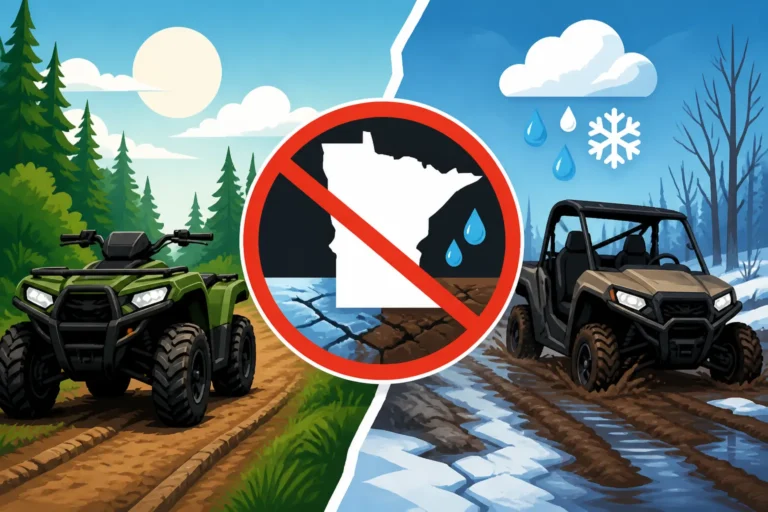
May can be an appealing month because the landscape is waking up and the crowds may be lighter than during peak summer weekends. It can also be frustrating: spring thaw and recent rain may leave trails muddy or vulnerable to damage. Some routes open later than riders expect, and a trail that appears passable may still be subject to a seasonal closure. The opening schedule depends on local conditions and the trail manager, so don’t assume that a familiar route is ready just because the calendar says spring.
June often brings greener scenery and longer days, making it easier to fit a ride into a weekend without feeling rushed. The tradeoff is that insects can be persistent, especially in wooded or wet areas. A face covering, bug protection, and a willingness to take breaks can make a noticeable difference. If you’re riding in northern Minnesota, check both the trail status and the weather forecast before leaving; recent rain can change the feel of a route quickly.
For spring planning, [When Minnesota Trails Open Each Spring] explains why opening dates can differ across the state. It’s also helpful to understand [Minnesota Trail Closures in Spring Thaw] before heading to a trail system that may still be recovering from wet conditions.
July and August favor long days and summer trips
July and August are practical months for family vacations and longer trail weekends. There’s plenty of daylight, campgrounds and trail towns are in full summer mode, and it’s easier to combine riding with a cabin stay or other outdoor plans. These months can be especially convenient if your group includes new riders who would rather travel in milder weather than deal with cold mornings.
The downsides are familiar: warmer afternoons, busier trailheads, and more competition for lodging on popular weekends. A packed staging area can slow down unloading and make a group feel hurried before the ride even begins. Starting earlier in the day, choosing a weekday when possible, and allowing extra time for fuel and food stops can help. If conditions have been dry, dust may also affect visibility and comfort when several machines are traveling together.
A map app such as onX Offroad can help you review a route and understand how trails connect, especially if you’re unfamiliar with the area. Still, confirm that the route is open and appropriate for your machine before setting out. Trail surfaces, permitted machine widths, and local restrictions can differ from one riding area to the next.
October rewards riders who value color and a quieter pace
October can be beautiful, particularly when fall color is peaking in the part of the state you’re visiting. The scenery around forest routes can make a familiar ride feel completely different, and cooler air is often welcome after a warm summer. If foliage is the main reason for your trip, choose the region carefully and check conditions close to your travel date because color changes at different times across Minnesota.
The season also brings shorter days and colder mornings. Plan a route that leaves a comfortable margin before sunset, and don’t count on summer-like temperatures just because the afternoon forecast looks pleasant. Some people also prefer to check local hunting activity and access information before riding in the fall. Be visible, stay on designated routes, and avoid assuming that every forest road or trail is open to motorized use.
For scenery-focused planning, [Minnesota Fall Color Rides] offers ideas for matching a ride to the season. You can also explore the character of [Nemadji State Forest Trail Network] or [Spider Lake Trails in the Foot Hills Forest] when comparing destinations.
| Month | What riders may like | Common tradeoffs | Good fit for |
|---|---|---|---|
| May | Quiet trails and early-season scenery | Spring closures, soft ground, changing conditions | Flexible riders who check trail status carefully |
| June | Green landscapes and long daylight | Bugs, rain, and potentially muddy sections | Riders who want a fresh, early-summer feel |
| July | Long days and easy trip planning | Heat, busy weekends, and possible dust | Family outings and full-day rides |
| August | Summer weather and established riding routines | Crowds, warm afternoons, and dry conditions | Vacation trips and social rides |
| September | Cooler weather and often more settled trail conditions | Rain can still affect routes; mornings may be cool | Riders seeking a balanced all-around month |
| October | Fall color and crisp riding weather | Shorter daylight, cold snaps, seasonal activity | Scenery-focused rides with careful timing |
Choose a Month Based on the Ride You Want
For dry, comfortable trail time
If your priority is a comfortable day with a lower chance of encountering spring-soft trails, consider late summer or early fall. September is often a good starting point, while July and August offer more daylight and a warmer feel. Neither choice removes the need to check recent rain and local trail conditions. A heavy downpour can change a route in any month, and some low areas take longer to dry than the ground around the trailhead.
If you’re traveling several hours to ride, make the status check part of your departure routine. Confirm the route is open, review any posted restrictions, and identify a backup destination in case conditions change. This is particularly helpful when a trip depends on one specific trail system or a narrow weekend window.
For fall color and a slower ride
October is usually the natural choice when the scenery is the main attraction. It can be a rewarding time to ride through wooded areas, but it’s important to plan around daylight and colder weather rather than simply choosing the most colorful weekend. Consider a shorter loop, bring an extra layer, and leave enough time to return without riding in the dark.
Fall riding also benefits from a little more care around other trail users and local activity. Keep a steady pace where visibility is limited, stay on marked routes, and be prepared to stop if conditions or signs indicate a change in access. If you’re planning a route with onX Offroad, use it to help with orientation, then verify trail access and conditions through the relevant land or trail authority.
For families and newer riders
Families often do best in the month that makes the whole day manageable, not necessarily the month with the most dramatic scenery. July and August offer long daylight hours and warm weather, which can be reassuring for a first outing. September may be more comfortable for riders who struggle in heat, but bring layers and be ready for cooler starts.
Keep the first ride modest. Pick a route that matches the least experienced rider, allow time for breaks, and make sure everyone knows where the group will stop if someone falls behind. A short, enjoyable ride is more likely to build confidence than an ambitious loop that leaves a child tired or uncomfortable. Choosing an area with clear trail markers and a straightforward return route can also reduce stress for the person leading the group.
Plan Around Local Conditions, Not Just the Calendar
Check closures and recent rain before traveling
A month-by-month guide can help you choose a likely window, but trail condition is local. One area may be firm while another has standing water or a temporary closure. Spring thaw is a particularly important time to check current notices, but rain-related issues can affect trails in summer and fall too. Riding a closed or vulnerable section can damage the route and may lead to a frustrating early end to the day.
Before driving, review the trail system’s current notices, local weather, and any rules for the land where you’ll be riding. If you’re uncertain about a route, contact the relevant trail manager or visitor office rather than relying on an old post or a map alone. For additional context on wet conditions, see [Minnesota Trail Conditions After a Wet Spring].
Build a backup plan for a better day
A good backup plan doesn’t need to be complicated. Identify another nearby trail option, a shorter loop, or a non-riding activity in the town where you’re staying. If your original trail is closed or much wetter than expected, you can adjust without making the whole trip feel wasted. This is especially useful for groups that have driven a long way or booked lodging in advance.
Think through practical details before you leave: fuel, food, water, daylight, and where you can safely park and unload. Keep your route information accessible, whether you use a printed map, a phone map, or both. onX Offroad can be useful for reviewing a route and following your position, but don’t assume a digital line guarantees that a trail is open, legal for your machine, or in good condition.
A simple decision process for choosing your month
Use these questions to narrow down your timing:
- Is the trail system open? Confirm the status of the specific route, especially during spring and after heavy rain.
- What matters most to your group? Choose July or August for long days and summer warmth, September for a balanced ride, or October for fall scenery.
- How much time do you have? Shorter daylight later in the season may call for a compact loop and an earlier start.
- Who is riding? Consider heat, bugs, cold mornings, and how much experience the least confident rider has.
- What is your backup? Have another route or activity in mind in case conditions or access change.
For many riders, September is the best month to ride Minnesota trails because it often brings a comfortable mix of cooler weather, settled summer conditions, and manageable daylight. But there is no single best month for every trail or every group. Check local status, choose a route that fits your riders, and let the conditions—not the calendar alone—make the final call.
Disclaimer
This article is for general informational purposes only and does not constitute professional advice. Laws, prices and regulations vary by location and change over time. Consult a qualified professional for guidance on your specific situation.