Inheriting an ATV in Minnesota
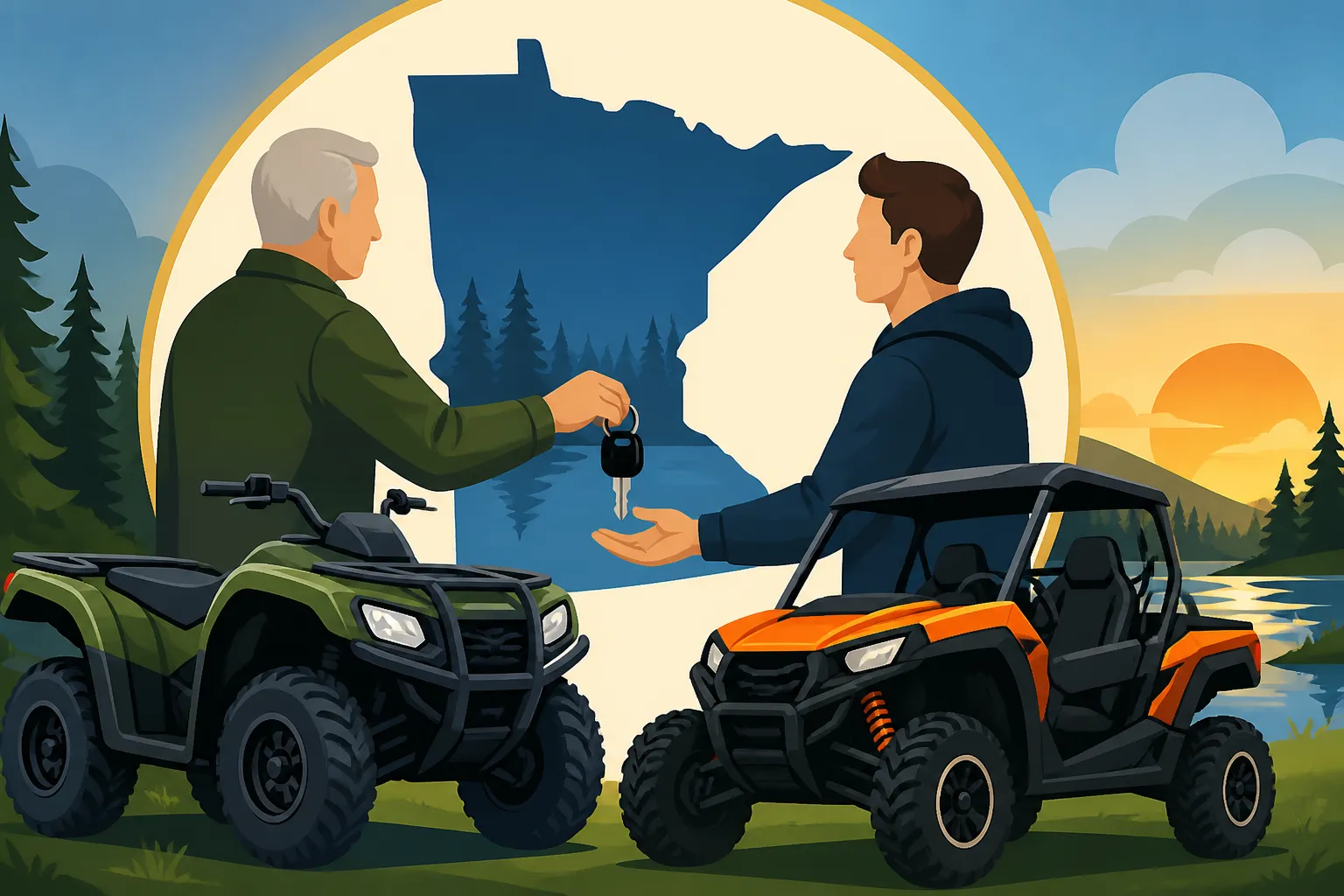
Losing a loved one is incredibly difficult, and in the midst of grief, the practicalities of estate settlement can feel overwhelming. One of those often-overlooked tasks can be figuring out what to do with an ATV or UTV left behind. Many folks find themselves scratching their heads, wondering how to legally transfer ownership without the original owner present, especially when dealing with unique state rules for off-highway vehicles. This guide aims to gently walk you through the Minnesota process of inheriting an ATV or UTV, simplifying the steps to help you navigate this sensitive time.
Understanding the Minnesota Probate Process for ATVs
When someone passes away, their assets, including their beloved ATV or UTV, become part of their estate. The legal process of distributing these assets is called probate. It can sound daunting, but for many estates, especially those that are smaller or well-planned, the process might be simpler than you imagine. Understanding when probate is necessary – and when it isn't – is the first crucial step in getting that ATV transferred into the right hands.
When Probate is (and Isn't) Necessary for an ATV
Probate is essentially the legal procedure of proving a will (if one exists), paying the deceased person's debts, and distributing their remaining property to the rightful heirs. In Minnesota, not every piece of property, including an ATV, automatically triggers a full-blown probate court case. The need for formal probate often depends on the overall value of the estate and how the property was titled. If an ATV was jointly owned with rights of survivorship, for instance, it typically passes directly to the surviving owner outside of probate.
Minnesota law does provide a "small estate" affidavit process for estates with a total value below a certain threshold (which can change, so always check the current figures). If the entire estate, including the ATV, falls under this value, you might be able to transfer ownership by simply using an affidavit, which is a sworn statement, rather than going through formal court proceedings. This can save a significant amount of time and money, making it a much smoother path during a challenging time. It’s definitely worth investigating if the ATV is the primary or only significant asset. You can find more information on [Minnesota Small Estate Paperwork for a Machine].
However, if the estate is larger, or if there are disputes among heirs, or if the deceased had significant debts that need to be settled, a formal probate process will likely be necessary. In such cases, a court will appoint an executor (if there’s a will) or an administrator (if there isn’t a will) to manage the estate. This individual will have the legal authority to act on behalf of the estate, including handling the transfer of the ATV. Even then, an ATV might not have a formal title in Minnesota, so the process focuses more on transferring the registration, which we'll cover next.
Locating the ATV's Ownership Documents
One of the first practical challenges in inheriting an ATV is simply finding the paperwork. Unlike cars, many ATVs and UTVs in Minnesota don't have a traditional vehicle title in the same way. Instead, their ownership is primarily documented through registration records with the Minnesota Department of Natural Resources (DNR). This can sometimes lead to confusion, as heirs might be searching for a "title" that doesn't actually exist for the machine.
Your best bet is to look for the most recent Minnesota DNR registration card. This card, typically renewed every three years, serves as primary evidence of ownership and provides key information like the machine's VIN, the owner's name, and the registration number. You should check among the deceased's important papers, in their wallet or purse, or even in a safety deposit box. Even an expired registration card can be incredibly helpful in establishing a paper trail for the machine.
If you can't find a registration card, don't despair! Other documents can help establish proof of ownership. A bill of sale from when the ATV was purchased, even if it's an old one, can be very useful. Old insurance policies, service records with the VIN listed, or even loan documents can serve as supporting evidence. If you know the deceased's name and address, and perhaps the approximate year the ATV was purchased, you may be able to contact the Minnesota DNR directly to see if they have a registration record on file. Establishing [Proof of Ownership for a Minnesota ATV] is critical, even if it's just through a collection of supporting documents rather than one single "title."
Transferring Ownership: The Key Steps
Once you have a grasp on the estate's overall situation and have gathered as much paperwork as possible for the ATV, it's time to focus on the actual transfer of ownership. This involves officially notifying the Minnesota DNR and updating their records to reflect the new owner. The specific path you take will largely depend on whether a will exists and if formal probate is required.
Identifying the Legal Heir or Executor
Before any transfer can happen, you need to establish who has the legal authority to make decisions regarding the deceased's property. If your loved one left behind a Last Will and Testament, it would typically name an "executor." This person is legally responsible for carrying out the instructions in the will, including distributing assets like the ATV. The executor will need to be formally appointed by the probate court, which issues "Letters Testamentary" – a document proving their authority to act on behalf of the estate.
If there was no will, the person is said to have died "intestate." In this situation, Minnesota law dictates who inherits the property. Usually, this means the surviving spouse, children, or other close relatives, in a specific order. The court will appoint an "administrator" for the estate, who will receive "Letters of Administration" to prove their legal authority. Without these official court documents (either Letters Testamentary or Letters of Administration), the Minnesota DNR generally cannot complete the transfer, as they need assurance that the person requesting the transfer has the legal right to do so. This step is foundational and often requires working with an attorney to ensure everything is done correctly according to Minnesota's probate laws.
The Minnesota DNR Transfer Process
Once you have the necessary legal authority – either as the rightful heir under a small estate affidavit or as the court-appointed executor/administrator – you can proceed with the Minnesota DNR to transfer the ATV registration. The core documents you'll need typically include: the deceased owner's death certificate, a copy of the court order appointing you as executor or administrator (if applicable), or a completed small estate affidavit, and the most recent registration card for the ATV. You will also need to fill out a new application for [Registering an ATV in Minnesota] in your name.
You'll take these documents to a local Deputy Registrar office that handles ATV registrations or directly to the Minnesota DNR. They will review your paperwork to confirm your legal right to the machine. At this point, you'll surrender the old registration card and apply for a new one. The process involves paying the appropriate registration fees for the new three-year registration period. It’s a good idea to call ahead to the specific office you plan to visit, as they can sometimes have specific requirements or forms you’ll need to complete. For a comprehensive list of what to bring, check out [Documents a Minnesota Registrar Wants] and [Deputy Registrar Offices That Register ATVs].
It's important to note that if the ATV was jointly owned with another person and the ownership documents specified "joint tenancy with right of survivorship," the transfer process is much simpler. In such cases, the ATV automatically passes to the surviving owner, bypassing the probate process entirely. The surviving owner would typically only need to present the death certificate and the existing registration to the DNR to have the name of the deceased removed from the registration, often without needing court intervention. Always verify the specific titling of the machine to understand your situation fully.
Addressing Liens and Debts on the ATV
One critical, and sometimes overlooked, aspect of inheriting an ATV is whether there are any outstanding financial obligations attached to it. Just because you've inherited the machine doesn't mean you automatically inherit it free and clear of any debts. If the deceased person had a loan on the ATV, or if it was used as collateral for another debt, a lien might be recorded against it. This means the lender has a legal claim to the ATV until the debt is fully paid.
Before completing any transfer of registration, it is highly advisable to check for any existing liens. You can often do this through the Minnesota DNR or by reviewing the deceased's financial documents. If a lien exists, the debt typically needs to be settled by the estate before the ATV can be truly considered yours without encumbrance. This might mean paying off the loan from other estate assets, or if you decide to keep the ATV, you might need to assume responsibility for the outstanding loan. Ignoring a lien can lead to complications down the road, potentially even resulting in the ATV being repossessed by the lender.
Understanding [Liens on a Minnesota ATV Record] is crucial. If the estate cannot pay off the debt, you might need to consider selling the ATV to satisfy the lien, or you might be able to negotiate with the lender to take over the payments. This step is a vital part of fully acquiring legal and financial ownership of the inherited machine and prevents any unpleasant surprises later on. It’s always best to be transparent with any lenders or creditors involved early in the process.
Special Considerations and What Comes Next
Once the legal hurdles of identifying the rightful owner and transferring the registration are behind you, there are a few more practical considerations to keep in mind. From understanding potential fees to deciding the ATV’s future, these next steps will help you solidify your ownership and make informed decisions.
Dealing with Sales Tax and Fees for Inherited ATVs
One piece of good news when inheriting an ATV in Minnesota is that you typically won't be subject to sales tax at the time of transfer to you as an heir. The transfer of property due to inheritance is generally not considered a "sale" in the eyes of the tax authorities. This can be a relief, as sales tax on off-highway vehicles can be a significant amount. However, you will still need to pay the standard registration fees to the Minnesota DNR to get the ATV registered in your name for the new three-year period. These fees contribute to trail maintenance and administration, so think of it as investing in the riding community. You can find details on the current cost by looking at [Minnesota ATV Registration Fee for Three Years].
However, if you decide to sell the inherited ATV to a third party after you've legally taken ownership, that sale would be subject to Minnesota sales tax. The buyer would be responsible for paying this tax based on the purchase price. So, while you, as the heir, won't pay tax on the inheritance itself, the chain of ownership and potential future transactions might involve sales tax. It’s a good distinction to remember, especially if your plan is to eventually sell the machine. For more on this, you can review [Minnesota Sales Tax on an ATV Purchase].
Options for the Inherited ATV: Keep, Sell, or Donate
After the paperwork is sorted and the ATV is legally yours, you'll need to decide its fate. Do you keep it, sell it, or perhaps donate it? Each option comes with its own considerations. If you decide to keep the ATV, you'll want to ensure it's properly maintained and, importantly, that it's insured. [Insuring an ATV in Minnesota] is a crucial step to protect your new asset and yourself, especially if you plan to ride on public lands or trails. You’ll also need to be mindful of future registration renewals, which happen every three years in Minnesota.
| Option | Description | Key Considerations |
|---|---|---|
| Keep | You retain ownership and can ride the ATV. This is often the choice for those who want to honor their loved one's memory, or who themselves enjoy ATV riding. | Registration: Must be in your name and kept current. Insurance: Essential for financial protection and often required for public land use. Maintenance: Regular upkeep, storage, and fuel costs. Training: Consider ATV safety training if new to riding. |
| Sell | You sell the ATV to a private buyer or a dealer. This can provide funds to cover estate costs, or simply free you from an asset you don't intend to use. | Proof of Ownership: You must provide clear, legal documentation of your ownership (new registration card, bill of sale from you). Sales Tax: The buyer will typically pay sales tax on the purchase price. Pricing: Research market value; consider condition and any existing issues. |
| Donate | You donate the ATV to a charitable organization. This can offer a tax deduction and be a meaningful way to contribute, especially if the ATV is older or you don't need the cash from a sale. | Organization: Find a reputable charity that accepts vehicle donations. Valuation: Understand how the charity will value the donation for tax purposes. Condition: The ATV should be in reasonable condition, or the charity might only accept it for parts. |
If selling is your choice, make sure you have all the updated registration paperwork in your name. You'll need to provide the buyer with a bill of sale, clearly stating the transaction details. Even though you inherited it, treating it like any other private sale ensures a smooth transfer for the next owner. A well-drafted [What a Minnesota Bill of Sale Should Carry] is vital for both parties. Ensure the buyer understands the machine's condition and any history you know.
Utilizing Legal Templates for Estate Administration
Navigating the legal aspects of an estate, even for something as specific as an ATV, can involve a fair amount of paperwork. While complex estates absolutely warrant the guidance of an attorney, for simpler situations or when you need to formalize certain agreements, legal template services can be incredibly helpful. Online platforms like LawDepot offer a range of customizable legal documents that can simplify the process of estate administration and subsequent property transfers.
For instance, if you're dealing with a small estate in Minnesota and using an affidavit process, LawDepot might provide templates for affidavits of heirship or other statements that help you attest to your legal right to the ATV. If you're selling the inherited ATV, they offer various bill of sale templates that can be tailored to meet Minnesota's requirements, ensuring all necessary details are included for a legitimate transfer. These tools can save time and provide a structured framework for ensuring your documentation is complete and legally sound.
It’s important to remember that while resources like LawDepot are fantastic for providing accessible templates, they are not a substitute for professional legal advice. If your situation is complicated, involves significant assets, or there are family disputes, always consult with a Minnesota attorney specializing in probate or estate law. However, for straightforward tasks like drafting a clean bill of sale or preparing basic affidavits, leveraging a service like LawDepot can be a practical and efficient step in managing the administrative side of inheriting an ATV.
Disclaimer
This article is for general informational purposes only and does not constitute professional advice. Laws, prices and regulations vary by location and change over time. Consult a qualified professional for guidance on your specific situation.